
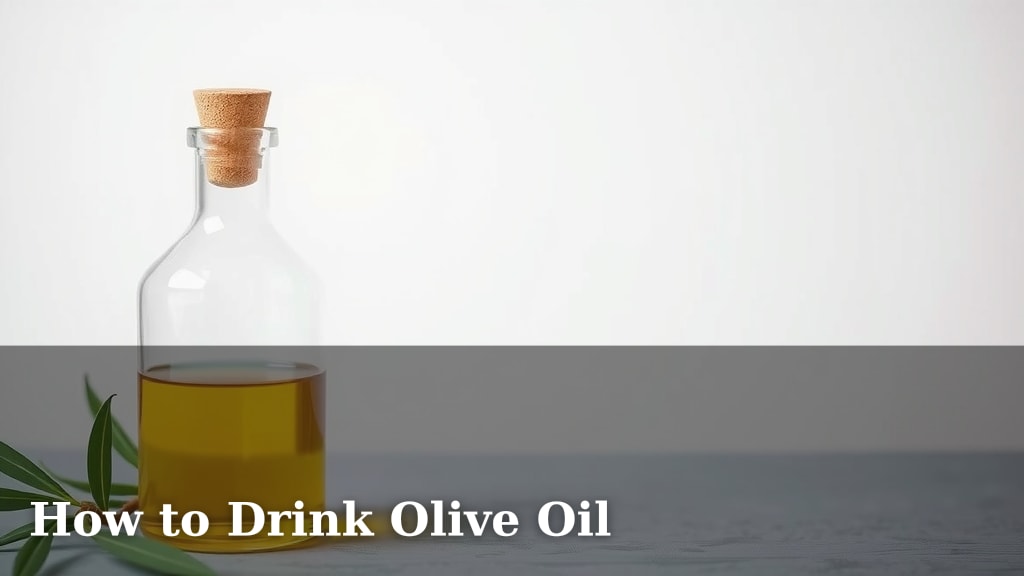
How to Drink Olive Oil
Yes, you can drink olive oil! Many people do it for its potential health benefits. Taking a small shot, perhaps one to two tablespoons, can be a simple way to consume its healthy fats. It’s surprisingly straightforward, but knowing the best way to do it makes a difference.
Drinking olive oil might sound unusual at first. But research suggests benefits like improved digestion and heart health. We found that different types of olive oil offer slightly varied tastes and experiences. Choosing a high-quality extra virgin olive oil is usually recommended for the best flavor and health impact.
- Drink 1-2 tablespoons of olive oil.
- Choose high-quality extra virgin olive oil.
- It’s best taken on an empty stomach.
- Consider chasing it with lemon or water.
- There are potential health benefits.
Ready to give it a try? Let’s walk through exactly how to drink olive oil to make it a pleasant experience, and what you might want to consider before you do.
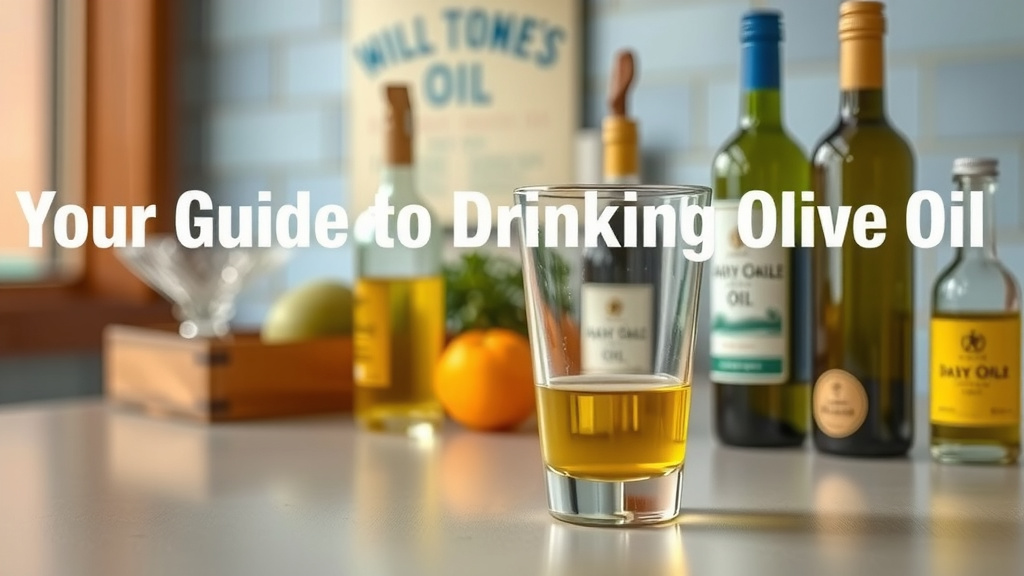
“`htmlYour Guide to Drinking Olive Oil
You’re probably wondering how to actually do it. Drinking olive oil straight might sound like a challenge. But with a little know-how, it can be a smooth experience. We’ve found the simplest ways to incorporate this into your routine. Let’s get you ready to take that shot.
Choosing the Right Olive Oil
Not all olive oils are created equal. For drinking, you’ll want the best. This means selecting a high-quality extra virgin olive oil (EVOO). EVOO is cold-pressed. It retains more nutrients and flavor. Cheaper oils might have a more bitter or bland taste. They might also lack the beneficial compounds you’re seeking.
What Makes an Olive Oil “Extra Virgin”?
Extra virgin olive oil has the lowest acidity. It’s made using mechanical methods. No heat or chemicals are used in its production. This process helps preserve its natural antioxidants and healthy fats. Research suggests these compounds offer health benefits (NCBI).
Taste and Quality Matters
When you’re drinking it, taste is important. Look for oils that are described as fruity, buttery, or grassy. Avoid oils that taste rancid, metallic, or greasy. The color can range from deep green to golden yellow. Color alone doesn’t determine quality. Always check the harvest date if possible. Fresher is generally better. We found that reputable brands often provide more information about their oil’s origin and production.
When and How to Drink It
Timing can make a difference in your experience. Most people prefer to drink olive oil on an empty stomach. This allows your body to absorb its benefits more efficiently. Taking it first thing in the morning is popular. Some people also take it before meals.
The Empty Stomach Approach
Drinking olive oil on an empty stomach can help with digestion. It may stimulate your digestive system. This can prepare your stomach for food. You might find it helps with regularity. Many users report a feeling of fullness, which could aid in managing appetite.
Making It Go Down Smoothly
Let’s be honest, a shot of oil isn’t always the most appealing. But there are ways to make it easier. Many people chase their olive oil with something. A squeeze of lemon juice is a common choice. The tartness cuts through the oiliness. Plain water works too. Some even take it with a small piece of fruit, like an apple slice. The goal is to cleanse your palate afterward.
Portion Control is Key
You don’t need to chug a whole bottle. The typical serving size is one to two tablespoons. This amount is enough to get potential benefits. Too much might lead to an upset stomach. Start with one tablespoon. See how your body reacts. You can always increase it later if you feel comfortable.
Potential Health Benefits to Consider
Why drink olive oil in the first place? Research points to several potential advantages. These often stem from the monounsaturated fats and antioxidants present in EVOO.
Heart Health Support
The healthy fats in olive oil are good for your heart. They can help manage cholesterol levels. Studies suggest that consuming olive oil may reduce the risk of heart disease (Mayo Clinic). The oleocanthal compound in EVOO has properties similar to anti-inflammatory drugs.
Digestive Aid
As mentioned, olive oil can act as a mild laxative. It may help lubricate the digestive tract. This can aid in the smooth passage of food. For some, it helps alleviate constipation. It’s a natural way to support gut health.
Skin and Inflammation
The antioxidants in olive oil may benefit your skin. They help fight cell damage. Some research also suggests anti-inflammatory effects (NCBI). This could potentially help with conditions related to inflammation.
A Quick Checklist for Your First Sip
Ready to try it? Here’s a quick rundown to make it simple:
- Choose a high-quality extra virgin olive oil.
- Measure out 1-2 tablespoons.
- Take it on an empty stomach.
- Consider having lemon or water ready to chase it.
- Start small and see how you feel.
- Listen to your body.
Conclusion
You’re now ready to incorporate drinking olive oil into your routine. Remember to choose a high-quality extra virgin olive oil for the best experience and potential benefits. Taking one to two tablespoons on an empty stomach is a common approach. Having a little lemon or water nearby can make it go down smoothly. Start with a small amount and pay attention to how your body feels. You’ve got this!
Frequently Asked Questions
Can I drink olive oil every day?
Many people do drink olive oil daily. It’s generally considered safe in moderation. Start with a few times a week to see how your body responds. You can then adjust based on your personal comfort and health goals.
What if olive oil tastes bad to me?
If the taste is challenging, you’re not alone. Try different brands of extra virgin olive oil. Some have milder, fruitier notes. You can also try chasing it with a small amount of lemon juice or a sip of water. This can help cleanse your palate.
Will drinking olive oil make me gain weight?
Olive oil is a source of healthy fats, which are calorie-dense. Consuming too much of any fat, including olive oil, could contribute to weight gain. Stick to the recommended one to two tablespoons per serving. It’s best to consider it as part of your overall diet.
What’s the best time of day to drink olive oil?
Most people find it best to drink olive oil on an empty stomach. This could be first thing in the morning before breakfast. Some prefer it before lunch or dinner. Experiment to find the time that feels best for your digestion and routine.
Are there any side effects from drinking olive oil?
For most people, drinking a small amount of olive oil is well-tolerated. Some individuals might experience mild digestive discomfort, like bloating, if they consume too much at once. It’s always wise to start with a smaller portion and increase gradually.

![7 Best Extra Virgin Olive Oil For Health And Weight Loss [2026]](https://bestpureessentialoils.com/wp-content/uploads/2026/08/7-best-extra-virgin-olive-oil-for-health-and-weight-loss-2026-featured-768x432.jpg)

![7 Best Healthy Extra Virgin Olive Oil [2026]](https://bestpureessentialoils.com/wp-content/uploads/2026/08/7-best-healthy-extra-virgin-olive-oil-2026-featured-768x432.jpg)
![7 Best Foods Olive Oil Mayo Nutrition [2026]](https://bestpureessentialoils.com/wp-content/uploads/2026/08/7-best-foods-olive-oil-mayo-nutrition-2026-featured-768x432.jpg)