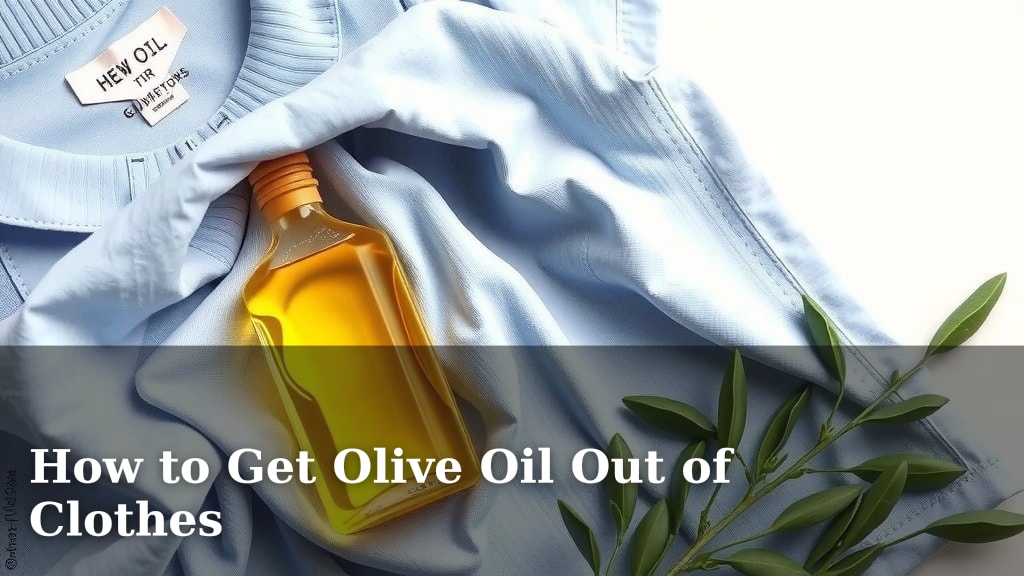
How to Get Olive Oil Out of Clothes
The easiest way to get olive oil out of clothes is to act quickly and blot the stain. Then, apply a bit of liquid dish soap directly to the spot. Gently rub it in and let it sit for a few minutes before washing. This method is surprisingly effective for fresh or old grease stains.
Olive oil stains can seem daunting, especially on your favorite shirt. But don’t worry, with the right approach, you can save your garments. We’ve found that most common household items can tackle these greasy spots. It’s all about understanding how to lift the oil without spreading it further.
- Blot, don’t rub, fresh stains.
- Liquid dish soap is your best friend.
- Pre-treat the stain before washing.
- Wash in the hottest water safe for the fabric.
- Check the stain before drying to avoid setting it.
Let’s walk through exactly how to tackle that olive oil stain, step by step, so your clothes can look good as new.
Tackling Those Tricky Olive Oil Stains on Your Clothes
Olive oil spills happen to the best of us. That moment of panic when you see that dark, greasy spot on your favorite blouse or pants can be stressful. But don’t you worry! We’ve researched effective methods to get olive oil out of fabrics. You’ll be happy to know that getting rid of these tough stains often requires items you already have in your kitchen or laundry room. It’s about understanding how to gently lift the oil without pushing it deeper into the fabric’s fibers. Let’s dive into the steps that can save your garments from a greasy fate.
The Immediate Action: Blotting and Pre-Treating
Why Speed Matters with Grease Stains
When that olive oil lands on your clothing, your first instinct might be to grab a napkin and scrub. Resist that urge! Scrubbing can spread the oil and push it deeper into the fabric. Instead, find a clean cloth or paper towel and gently blot the excess oil. Think of it like dabbing a sponge. This lifts as much of the oil as possible right away. This simple step is a game-changer, especially for fresh spills. We found that the sooner you blot, the less work you’ll have to do later.
Your Stain-Fighting Superhero: Liquid Dish Soap
Now for the magic ingredient: liquid dish soap. Yes, the kind you use to wash your dishes! Dish soaps are designed to cut through grease. This makes them perfect for tackling oily stains on fabric. You don’t need a special stain remover for most olive oil situations. We found that a good quality dish soap works wonders. Squirt a generous amount directly onto the olive oil stain. Make sure the entire spot is covered. This pre-treatment is where the real stain-busting begins.
Gently Working in the Soap
Once the dish soap is on the stain, use your fingers or a soft-bristled brush to gently work it into the fabric. You don’t need to scrub hard. Just a gentle circular motion is enough to help the soap penetrate the fibers. Let the soap sit on the stain for at least 5 to 10 minutes. This gives the soap time to break down the oil molecules. For older, set-in stains, you might let it sit a bit longer. We found that patience here pays off.
Washing Away the Stain
Choosing the Right Water Temperature
After the pre-treatment, it’s time to wash the garment. Check the care label on your clothing first. It will tell you the maximum water temperature that’s safe for the fabric. For cotton and linen, hot water is often best for grease stains. Hot water helps to dissolve and lift the oil more effectively. If the fabric is delicate, like silk or wool, you’ll need to use cooler water. Always follow the garment’s care instructions to avoid damage.
The Washing Machine Cycle
Wash the garment as you normally would, but consider adding a little extra cleaning power. You can add your regular laundry detergent. For stubborn stains, some people have found adding a bit of baking soda or an oxygen-based bleach (if safe for the fabric) can boost the cleaning power. Run the washing machine on a normal cycle. The goal is to give the pre-treated stain a good wash with plenty of detergent and the right temperature water.
The Critical Check: Before Drying!
Why the Dryer is the Stain’s Best Friend (and Your Worst)
This is perhaps the most important step to remember. After the wash cycle is complete, do not put the garment directly into the dryer. Heat from the dryer will set the stain permanently into the fabric fibers. It’s like baking the stain in! You absolutely must check the stained area while the garment is still wet. Hold it up to the light and examine it closely. If you can still see any trace of the olive oil stain, repeat the pre-treatment and washing steps. We found this check is absolutely essential.
Air Drying for Safety
If the stain is completely gone, you can proceed to dry the garment as usual. However, if you’re still a little unsure, or if you had a particularly tough stain, consider air-drying the garment for the first time. Air drying allows you to check the spot again once it’s completely dry. This way, you can be 100% certain the stain is gone before applying any dryer heat. It’s better to be safe than to have a beloved piece of clothing ruined.
When Olive Oil Stains Are Stubborn
Trying Different Pre-Treatment Options
Sometimes, dish soap alone might not be enough for very old or deeply set olive oil stains. Many sources suggest trying other common household items as pre-treatments. For example, baking soda mixed with a little water can create a paste that absorbs grease. Cornstarch or talcum powder are also known for their absorbency. We found that sprinkling these powders liberally over the stain and letting them sit for a few hours can help draw out the oil before you apply dish soap.
Commercial Stain Removers for Tough Jobs
If homemade remedies aren’t cutting it, a commercial stain remover might be your next step. Look for products specifically designed for grease or oil stains. Always follow the product instructions carefully. Test the stain remover on an inconspicuous area of the garment first to ensure it doesn’t damage the fabric or color. Many experts recommend these for very tough, old stains that have resisted other methods (Cleveland Clinic).
A Quick Checklist for Olive Oil Stain Removal
- Act Fast: Blot fresh spills immediately.
- Pre-Treat: Apply liquid dish soap generously.
- Let it Sit: Allow soap to break down oil for 10+ minutes.
- Wash Smart: Use hottest water safe for fabric.
- Check Before Drying: Never put a stained item in the dryer!
- Repeat if Needed: Re-treat and rewash stubborn spots.
Conclusion
You’ve learned how effective household items can be for tackling olive oil stains. Remember, the key is to act fast and blot, never rub. Using liquid dish soap as a pre-treatment is your best bet. Always wash with the hottest water safe for your fabric, and absolutely check the stain before drying. If a stain persists, don’t despair; try absorbent powders or a commercial stain remover. With these steps, you can confidently rescue your clothes from greasy mishaps and keep your favorite garments looking their best.
Frequently Asked Questions
Will dish soap really get olive oil out of my clothes?
Yes, liquid dish soap is excellent for olive oil stains because it’s designed to cut through grease. We found that applying it directly to the stain and letting it sit helps break down the oil effectively before washing. It’s a surprisingly powerful tool you likely already have.
Can I use a regular laundry detergent for olive oil stains?
While regular laundry detergent helps clean clothes, it may not be enough on its own for a tough olive oil stain. Pre-treating with liquid dish soap is more effective because it’s specifically formulated to tackle grease. You’ll still use your regular detergent during the wash cycle after pre-treating.
What if the olive oil stain is old and dried?
For older, set-in stains, you might need a little extra effort. Try applying the dish soap and letting it sit for a longer period, perhaps 15-30 minutes. Some people have success using absorbent powders like baking soda or cornstarch first to draw out some of the oil before applying dish soap.
Is it safe to put olive oil stained clothes in the washing machine?
Yes, you absolutely should put the pre-treated garment in the washing machine. The key is to ensure you’ve adequately pre-treated the stain and, most importantly, to check if the stain is completely gone before putting it in the dryer. Heat from the dryer will set the stain permanently.
Can olive oil stains ruin delicate fabrics like silk or wool?
Olive oil can stain any fabric, including delicate ones. For silk or wool, you’ll need to be extra gentle. Instead of hot water, use cool or lukewarm water for washing. Always check the care label and consider using a detergent specifically designed for delicates after pre-treating with dish soap.

![7 Best Extra Virgin Olive Oil For Skin And Hair [2026]](https://bestpureessentialoils.com/wp-content/uploads/2026/08/7-best-extra-virgin-olive-oil-for-skin-and-hair-2026-featured-768x432.jpg)
![7 Best Grassy Olive Oil [2026]](https://bestpureessentialoils.com/wp-content/uploads/2026/08/7-best-grassy-olive-oil-2026-featured-768x432.jpg)