How to Divide Olive Oil
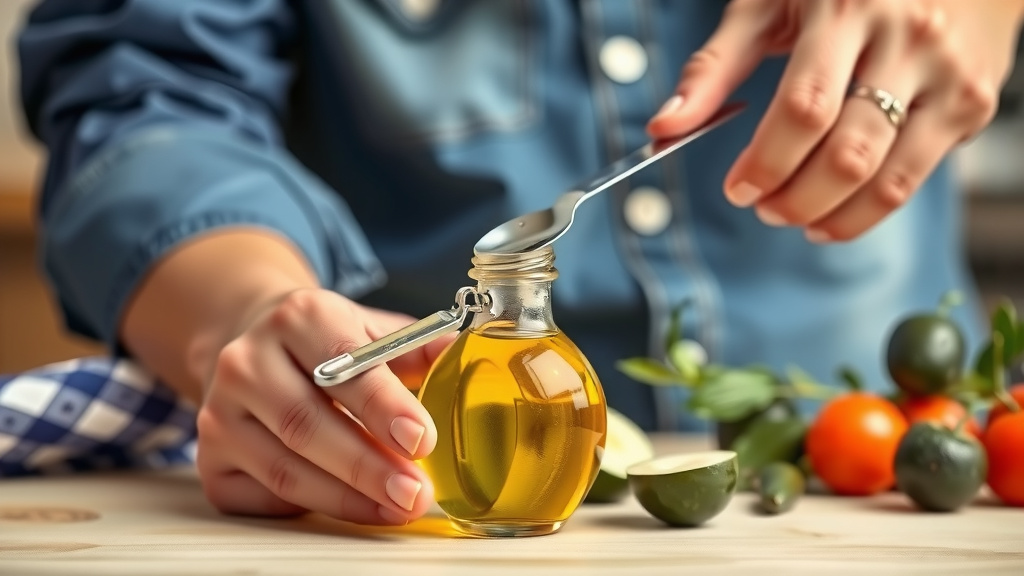
You can easily divide olive oil using simple kitchen tools like a measuring cup or a kitchen scale. Just measure out the amount you need for your recipe or serving size. This ensures you use the correct portion for cooking or enjoying your favorite dishes.
Knowing how to portion out your olive oil is important for both culinary accuracy and managing your supply. Whether you’re making a delicate vinaigrette or sautéing vegetables, precise amounts make a big difference. We’ve found that a little attention to measurement can significantly improve your results.
- Use measuring cups for volume.
- Use a kitchen scale for weight.
- Measure carefully for best results.
- This helps with recipe accuracy.
Let’s walk through exactly how to measure your olive oil, step by step, so you can get it just right every time.
Measuring Your Olive Oil Accurately
You can easily divide olive oil using a few common kitchen tools. Measuring cups are your go-to for volume. A kitchen scale is perfect for precision by weight. Both methods ensure you get the right amount for your dishes. We found that even small differences in measurement can affect the final outcome.
Using Measuring Cups: The Volume Method
Measuring cups are probably the most familiar way to portion liquids. They work by indicating the volume of the oil. This is a great method for everyday cooking and baking.
Liquid Measuring Cups Are Best
For olive oil, you’ll want to use a liquid measuring cup. These have a spout for easy pouring. They also have clear markings on the side. This helps you see the oil level accurately. Glass or clear plastic cups are ideal.
How to Measure with a Cup
First, place your measuring cup on a flat, level surface. This is super important for an accurate reading. Bending down to eye level with the cup also helps. Pour the olive oil slowly into the cup. Stop pouring when the bottom of the oil meniscus—the curve of the liquid—lines up with the marking you need. For example, if you need 1/4 cup, pour until the oil reaches the 1/4 cup line. Avoid overfilling. If you do, gently pour out the excess until it’s just right. We found this simple step avoids adding too much oil.
Tips for Accurate Cup Measuring
- Always use a flat surface for your measuring cup.
- Eye level is the best view for accuracy.
- Pour slowly to avoid spills and over-measuring.
- Wipe the spout if oil drips down the side.
Using a Kitchen Scale: The Weight Method
For recipes where precision is key, like delicate baking or certain vinaigrettes, weighing your olive oil is the most accurate approach. Olive oil, like many liquids, has a density that can vary slightly. Measuring by weight bypasses these variations.
Why Weight is More Precise
Many chefs and bakers prefer measuring by weight. This is because volume can be affected by temperature and the oil’s viscosity. For instance, cold, thick oil might not pour the same as warm, fluid oil into a measuring cup. A kitchen scale measures the actual amount of oil. Many recipes, especially in baking, will list ingredients in grams or ounces for this reason. We found that using a scale removes guesswork.
How to Measure with a Scale
Start by placing a bowl or container on your kitchen scale. Press the “tare” or “zero” button. This resets the scale to zero, so it only measures the oil you add. Slowly pour the olive oil into the bowl. Watch the scale’s display. Stop pouring when you reach the desired weight. For example, if your recipe calls for 50 grams of olive oil, stop at 50g. This method is incredibly reliable. It ensures you are using the exact amount needed, every single time.
Choosing the Right Scale
Look for a digital kitchen scale that has a tare function. It should also be able to measure in grams and ounces. A scale that measures in small increments, like 1 gram, is best for precision. These are widely available and not too expensive. Many home cooks find them very useful for more than just oil.
Olive Oil Measurement Equivalents
It can be helpful to know how different measurements relate. This is especially true if a recipe calls for weight but you only have volume tools, or vice-versa.
Volume to Weight Conversion
Generally, 1 cup of olive oil weighs about 212 grams (or 7.5 ounces). This is a common conversion used in many recipes. However, remember that temperature can affect this slightly. It’s a good estimate for most home cooking needs.
Weight to Volume Conversion
If you have a recipe that lists olive oil by weight, and you want to use volume measurements, you can reverse the conversion. For example, 100 grams of olive oil is roughly equal to a little less than 1/2 cup.
Quick Equivalents
Here’s a handy reference for common amounts:
| Volume | Approximate Weight (grams) | Approximate Weight (ounces) |
|---|---|---|
| 1 tablespoon | 14 grams | 0.5 ounces |
| 1/4 cup | 53 grams | 1.9 ounces |
| 1/2 cup | 106 grams | 3.7 ounces |
| 1 cup | 212 grams | 7.5 ounces |
When Precision Matters Most
While many everyday cooking tasks allow for some flexibility, certain situations demand strict adherence to measurements. Baking is one such area. The ratio of ingredients in baked goods is very delicate. Too much or too little oil can change the texture and outcome of your cookies or cakes.
Baking and Delicate Sauces
In baking, olive oil often replaces butter or other fats. Getting the amount just right is crucial for the desired crumb and moisture. Similarly, for delicate sauces or emulsions, like a hollandaise or a light vinaigrette, precise oil measurement is key. Too much oil can make a sauce greasy or unstable. We found that many professional recipes emphasize weighing liquid ingredients for consistency.
Storing Your Measured Olive Oil
Once you’ve measured out the olive oil you need, consider how you’ll store the rest. Keep the original bottle tightly capped. Store it in a cool, dark place, away from heat and direct sunlight. This helps preserve its freshness and flavor. Many sources suggest that proper storage can extend the shelf life of olive oil significantly (NCBI).
Your Olive Oil Measurement Checklist
To make sure you’re always measuring your olive oil correctly, keep this simple checklist in mind:
- Choose your tool: Measuring cup for volume, scale for weight.
- Level surface: Always place cups or scales on a flat, stable area.
- Eye level: For cups, bend down to see the meniscus accurately.
- Tare function: Use the zero button on your scale before adding oil.
- Slow and steady: Pour liquids slowly to avoid spills.
- Store properly: Cap tightly and keep remaining oil in a cool, dark place.
Conclusion
You’ve learned that dividing olive oil is simple with the right tools. Whether you grab your trusty measuring cup or a precise kitchen scale, accuracy is within reach. We found that taking a moment to measure correctly makes a real difference in your cooking. It helps ensure your recipes turn out just as you planned. Now you’re equipped to portion your olive oil perfectly every time. Your next step is to confidently measure your oil for your next delicious meal!
Frequently Asked Questions
Can I just eyeball the amount of olive oil I need?
While experienced cooks might get close, eyeballing can lead to too much or too little oil. For best results and consistent recipes, it’s always better to measure. You’ll find your dishes are more predictable and satisfying when you measure.
What’s the difference between measuring by volume and weight?
Measuring by volume uses tools like cups and spoons. It measures how much space the oil takes up. Measuring by weight uses a scale to measure how heavy the oil is. Weight is often more accurate because liquid density can change.
Why do some recipes ask for olive oil by weight?
Recipes that require high precision, especially in baking, list ingredients by weight. This accounts for slight variations in liquid density due to temperature or the specific oil. It helps guarantee the exact ingredient ratio for perfect results.
How do I convert olive oil measurements if the recipe is in grams but I only have cups?
You can use conversion charts for this. A general rule of thumb is that 1 cup of olive oil weighs about 212 grams (or 7.5 ounces). For smaller amounts, 1 tablespoon is roughly 14 grams.
What’s the best way to clean my measuring cup after using it for olive oil?
After pouring, wipe out any excess oil with a paper towel. Then, wash the cup with warm, soapy water. Most liquid measuring cups are dishwasher safe, but check the manufacturer’s instructions to be sure.

![7 Best Eating Olive Oil [2026]](https://bestpureessentialoils.com/wp-content/uploads/2026/06/7-best-eating-olive-oil-2026-featured-768x432.jpg)
![7 Best First Cold Pressed Olive Oil [2026]](https://bestpureessentialoils.com/wp-content/uploads/2026/08/7-best-first-cold-pressed-olive-oil-2026-featured-768x432.jpg)
![7 Best Costco Olive Oil Reddit [2026]](https://bestpureessentialoils.com/wp-content/uploads/2026/06/7-best-costco-olive-oil-reddit-2026-featured-768x432.jpg)