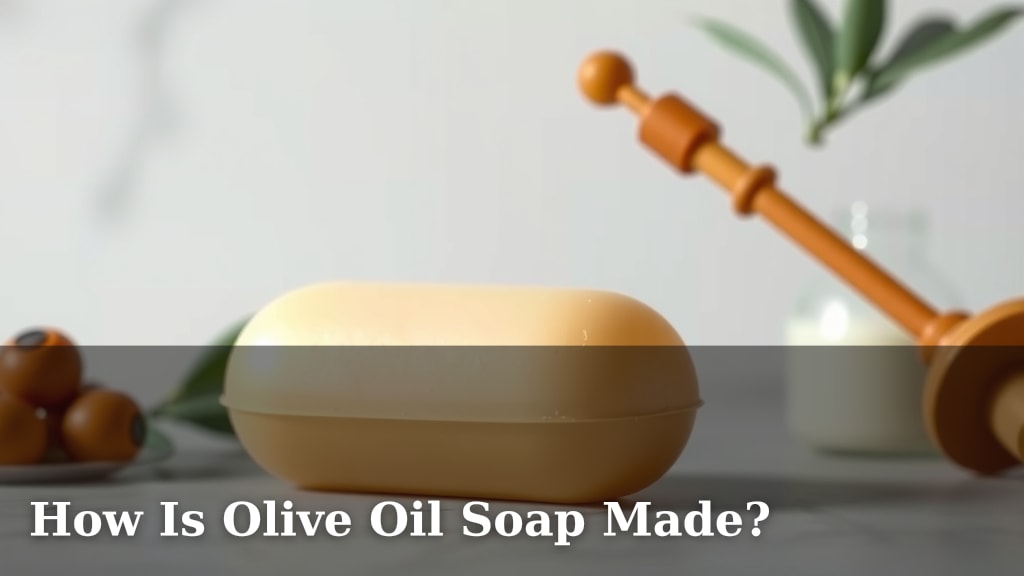
How Is Olive Oil Soap Made?
Olive oil soap is made by combining olive oil with an alkali, typically lye, through a process called saponification. This chemical reaction transforms the oils and alkali into soap and glycerin. It’s a time-tested method that yields a gentle, moisturizing bar.
You might be wondering how simple ingredients create such a luxurious product. Many soap makers start with high-quality olive oil because it’s known for its conditioning properties. The careful balance of ingredients is key to achieving a mild and effective soap.
- Olive oil soap is made through saponification.
- It involves mixing olive oil with an alkali like lye.
- This creates soap and glycerin.
- The process yields a gentle, moisturizing bar.
Ready to learn how this magic happens step-by-step? Let’s walk through the fascinating process of how olive oil soap is made.
Understanding the Olive Oil Soap-Making Process
Ever wondered how simple olive oil transforms into a bar of soap? It’s a fascinating chemical reaction called saponification. This process is the heart of making traditional olive oil soap.
What Exactly is Saponification?
Saponification is the magic that happens when fats or oils meet an alkali. In olive oil soap, the fat is, of course, olive oil. The alkali is usually sodium hydroxide (lye). When these two ingredients combine under the right conditions, they rearrange their molecular structure.
The result? Soap and glycerin. Glycerin is a natural humectant. This means it attracts moisture. That’s a big reason why olive oil soap is so moisturizing. It’s a time-honored method that experts have used for centuries (NCBI).
The Key Ingredients You Need
Making olive oil soap involves a few core components. Getting these right ensures a quality bar. You can’t make soap without them!
Olive Oil: The Star of the Show
The primary ingredient is, you guessed it, olive oil. For the best results, many soap makers prefer extra virgin olive oil. This type has a high concentration of beneficial compounds. It’s known for its gentle nature on the skin. You can also use other grades of olive oil, like pure or virgin. Each might give a slightly different feel to the final soap.
The Alkali: Lye is Necessary
You need an alkali to start the saponification process. For bar soap, this is typically sodium hydroxide (NaOH). For liquid soap, it would be potassium hydroxide. Lye is a strong chemical. You must handle it with extreme caution. Always wear protective gear. Proper ventilation is also very important during this step. Many guidelines point to the necessity of safety precautions when working with lye (CDC).
Water: The Solvent
Water is essential to dissolve the lye. This creates a strong alkaline solution. This solution then reacts with the olive oil. Distilled water is often recommended. This is because it doesn’t contain minerals that could interfere with the soap-making process.
Step-by-Step: Crafting Your Olive Oil Soap
Let’s walk through the typical stages of making olive oil soap. It’s a process that requires patience and precision.
Measuring and Mixing with Care
This is perhaps the most critical part. You need to accurately measure your ingredients. The ratio of olive oil to lye to water is crucial. Too much lye, and the soap will be harsh. Too little, and it won’t lather well. Soap calculators are tools many makers use. They help ensure the correct proportions for safety and quality.
Once measured, the lye is carefully dissolved into the water. This mixture gets very hot. It needs time to cool down. Meanwhile, your olive oil is prepared. It might be heated slightly, depending on the recipe.
Bringing It All Together: The Saponification Reaction
When the lye solution and the olive oil reach a specific temperature range, they are combined. This is when the saponification reaction begins. The mixture is then blended. This can be done with an immersion blender. You’ll blend until the mixture reaches “trace.”
What is “Trace”?
Trace refers to the point when the mixture thickens. It’s like a thin pudding. If you lift the blender and let some mixture drip back, it leaves a temporary mark on the surface. This means the saponification process is well underway. It’s a visual cue that the ingredients are reacting correctly.
Adding Scents and Colors (Optional)
Once trace is reached, you can add other ingredients. Many people like to add essential oils for fragrance. Natural colorants like clays or botanicals can also be added. This is your chance to personalize the soap. It’s important to use skin-safe additives. Always research what works best in soap.
Pouring and Curing: The Waiting Game
The thick soap mixture is then poured into molds. These can be simple loaf pans or individual molds. The soap then needs to sit undisturbed for about 24-48 hours. During this time, it continues to harden and further saponify. This stage is often called “gel phase” or “cure.”
The Importance of Curing
After the initial hardening, the soap bars are cut. They then enter the curing phase. This is a crucial period. It can last anywhere from 4 to 6 weeks, or even longer. During curing, excess water evaporates. This makes the soap harder and milder. It also ensures that all the lye has fully reacted. This makes the final bar safe and gentle for your skin.
| Method | Lye Type | Cure Time | Best For |
|---|---|---|---|
| Cold Process | Sodium Hydroxide | 4-6 weeks | Bar soaps, detailed designs |
| Hot Process | Sodium Hydroxide | Much shorter (days to 1 week) | Faster production, rustic look |
| Melt and Pour | Pre-made base (lye already reacted) | Minimal (hours to set) | Beginners, quick crafts |
While the cold process is traditional for pure olive oil soap, understanding other methods helps you appreciate the craft.
A Simple Checklist for Olive Oil Soap Making
If you’re thinking about trying this yourself, here’s a quick rundown of what’s involved:
- Gather high-quality olive oil.
- Safely measure your lye and distilled water.
- Ensure proper safety gear and ventilation.
- Accurately calculate your lye amount.
- Blend until the mixture reaches “trace.”
- Allow the soap to cure fully for several weeks.
Each step plays a vital role in creating a beautiful and effective bar of olive oil soap.
Conclusion
You’ve learned that making olive oil soap is a rewarding process centered on saponification. It’s a careful dance between olive oil, lye, and water. This chemical reaction creates a wonderfully moisturizing bar rich in glycerin. Understanding the importance of precise measurements and the lengthy curing phase ensures a gentle product for your skin. Now that you’re familiar with the steps, perhaps you’re ready to try making your own batch? Start by gathering your supplies and reviewing your safety precautions.
Frequently Asked Questions
Can I use any type of olive oil to make soap?
While you can use various grades of olive oil, extra virgin olive oil is often preferred. It contains more beneficial compounds that contribute to a gentler, more conditioning soap. Other grades can work, but they might slightly alter the final soap’s characteristics.
Is lye dangerous to use in soap making?
Lye (sodium hydroxide) is a caustic chemical and must be handled with extreme caution. Always wear protective gloves, eye protection, and ensure good ventilation. When mixed with water, it generates heat and fumes. Following established safety guidelines is essential for a safe soap-making experience.
What happens if I don’t cure my olive oil soap long enough?
If you don’t cure your olive oil soap for the recommended 4-6 weeks, it might be too soft and will lather poorly. Incomplete curing means excess water is still present, and the saponification process may not be fully complete. This can result in a bar that is harsh on your skin.
How do I know when the soap mixture has reached “trace”?
You’ll know the mixture has reached “trace” when it has thickened to the consistency of a thin pudding. If you lift your immersion blender and drizzle some of the mixture back onto the surface, it should leave a visible, temporary mark. This indicates the ingredients are properly emulsified and ready for molding.
Why is glycerin important in olive oil soap?
Glycerin is a natural byproduct of the saponification process. It’s a powerful humectant, meaning it attracts moisture from the air to your skin. This is why olive oil soap is known for being exceptionally moisturizing and gentle, leaving your skin feeling soft and hydrated.

![7 Best French Extra Virgin Olive Oil [2026]](https://bestpureessentialoils.com/wp-content/uploads/2026/08/7-best-french-extra-virgin-olive-oil-2026-featured-768x432.jpg)
![7 Best Extra Virgin Olive Oil Whole Foods [2026]](https://bestpureessentialoils.com/wp-content/uploads/2026/08/7-best-extra-virgin-olive-oil-whole-foods-2026-featured-768x432.jpg)
![7 Best Olive Oil Brand For Dipping Bread [2026]](https://bestpureessentialoils.com/wp-content/uploads/2026/09/7-best-olive-oil-brand-for-dipping-bread-2026-featured-768x432.jpg)