Beef Fat vs Olive Oil: Which is Healthier for Cooking
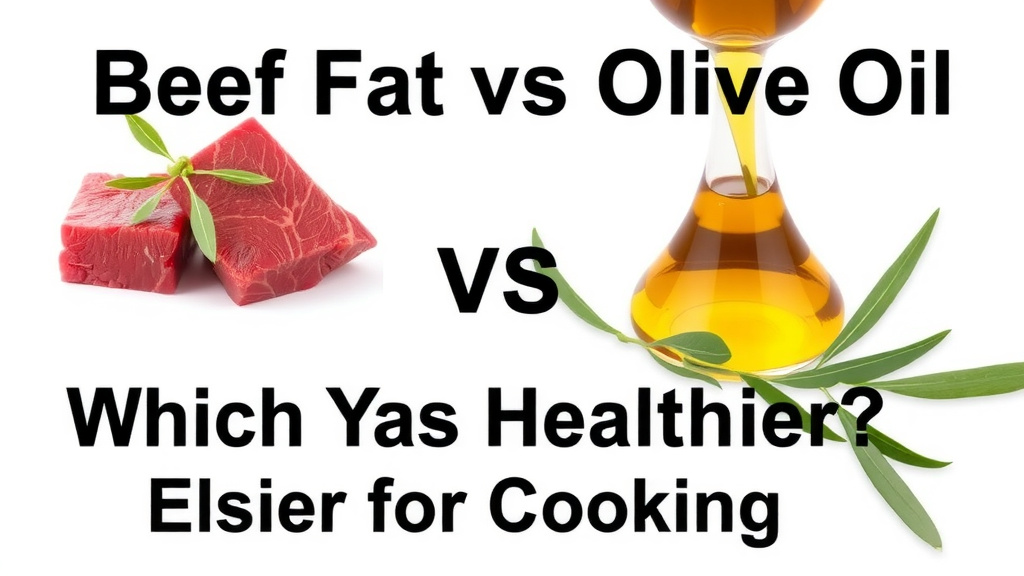
When choosing between beef fat and olive oil for cooking, olive oil is generally the healthier choice for everyday use due to its beneficial monounsaturated fats and lower saturated fat content. While beef fat, or tallow, offers a rich flavor and high smoke point, it’s predominantly saturated fat, which many health professionals recommend limiting. We found that the type of fat you use can really impact your meal’s nutritional profile.
Understanding the differences helps you make informed decisions for your kitchen. Both have their place, but knowing when to reach for which can make a big difference in your health goals. We looked into what makes each fat unique for cooking and how they stack up nutritionally. You’ll want to consider the cooking method and your personal dietary needs.
- Olive oil is rich in healthy monounsaturated fats.
- Beef fat (tallow) is high in saturated fat.
- Olive oil is great for dressings and low-to-medium heat cooking.
- Beef fat excels in high-heat searing and adds deep flavor.
- Your health goals should guide your choice.
Let’s break down exactly what makes beef fat and olive oil different and help you decide which one is best for your next dish.
Understanding Cooking Fats: Beef Fat vs. Olive Oil
When you’re standing in front of your stove, wondering which fat to reach for, the choice between beef fat and olive oil can seem simple. But these two common cooking fats have quite different impacts on your food and your body. We found that understanding their properties helps you cook smarter and healthier. Let’s get into the nitty-gritty of what makes each one tick.
The Nutritional Breakdown: What’s Inside?
Olive Oil: A Heart-Healthy Star
Olive oil, especially extra virgin olive oil, is celebrated for its health benefits. We found that it’s loaded with monounsaturated fats. These are often called “good” fats. They can help improve your cholesterol levels, according to many health organizations (Harvard T.H. Chan School of Public Health). This type of fat is a cornerstone of the Mediterranean diet, which research has linked to numerous health advantages.
It also contains polyunsaturated fats and a small amount of saturated fat. Plus, extra virgin olive oil is packed with antioxidants. These compounds fight inflammation in your body. We found that these antioxidants are a big reason why it’s considered a healthy fat choice for everyday cooking and dressing.
Beef Fat (Tallow): A Different Story
Beef fat, often called tallow, comes from rendering beef. It’s a popular choice for its flavor and high heat tolerance. When we looked at its nutritional profile, we saw it’s quite different from olive oil. Tallow is predominantly made up of saturated fats. While saturated fats aren’t inherently bad in moderation, many health guidelines suggest limiting your intake of them (American Heart Association).
Tallow also contains some monounsaturated fats and a smaller amount of polyunsaturated fats. It’s a dense source of energy and can contribute to rich flavors in food. However, its high saturated fat content means it’s often recommended for occasional use rather than daily cooking, especially if you’re watching your cholesterol.
Cooking Performance: Heat and Flavor
Olive Oil: Best for Gentle Heat
Olive oil’s performance in the kitchen varies by type. Extra virgin olive oil has a lower smoke point than refined olive oils. This means it can start to smoke and break down at lower temperatures. We found that this makes it ideal for salad dressings, marinades, and low-to-medium heat cooking like sautéing vegetables or making sauces. When it gets too hot, its beneficial compounds can be damaged.
Refined or “light” olive oils have higher smoke points and can handle medium-high heat. However, they lose some of the flavor and antioxidant benefits of extra virgin olive oil. Think of using extra virgin olive oil like you would a delicate perfume – best when not subjected to harsh conditions.
Beef Fat (Tallow): Built for High Heat and Flavor
This is where beef fat really shines. Tallow has a very high smoke point. This makes it an excellent choice for high-heat cooking methods. Think searing steaks, frying potatoes, or roasting meats. We found that it can withstand much higher temperatures than most olive oils without breaking down and creating harmful compounds or a burnt flavor.
Beyond its heat resistance, tallow adds a distinctive, rich, savory flavor. Many home cooks and chefs love it for this very reason. It can transform simple ingredients into deeply flavorful dishes. If you’re aiming for that classic, comforting taste, tallow is often your secret weapon.
When to Choose Which: Practical Kitchen Tips
For Everyday Health: Reach for Olive Oil
If your goal is to incorporate more heart-healthy fats into your diet, olive oil is usually the winner. We found that its monounsaturated fat profile makes it a smart choice for daily use. Use it to whisk up a vinaigrette for your lunch salad, drizzle it over roasted vegetables after they come out of the oven, or use it for light pan-frying. Your body will thank you for the healthy fats!
For Flavor and High-Heat Cooking: Consider Tallow
Do you love a perfectly seared steak with a crispy crust? Or perhaps you dream of golden-brown, perfectly fried French fries? In these cases, beef fat can be your best friend. We found that for recipes that demand high heat or a deeply savory flavor profile, tallow is often unparalleled. It’s not about avoiding it entirely, but about using it wisely when its unique properties benefit the dish.
Quick Comparison Table
| Feature | Olive Oil (Extra Virgin) | Beef Fat (Tallow) |
|---|---|---|
| Primary Fat Type | Monounsaturated | Saturated |
| Health Benefits | Heart health, antioxidants | Energy dense, flavor |
| Smoke Point | Medium (around 375°F) | High (around 400°F) |
| Best Uses | Dressings, sautéing, marinades | Searing, frying, roasting |
| Flavor Profile | Fruity, peppery (varies) | Rich, savory |
Making Your Choice: A Simple Checklist
To help you decide on the fly, here’s a quick checklist:
- Is your primary goal heart health? Choose olive oil.
- Are you searing a steak or deep-frying? Reach for tallow.
- Are you making a salad dressing? Olive oil is ideal.
- Do you want that classic, rich savory flavor? Tallow might be the answer.
- Are you watching your saturated fat intake? Favor olive oil.
- Is your cooking temperature low to medium? Olive oil works well.
Conclusion
So, as you can see, both beef fat and olive oil bring unique strengths to your kitchen. Olive oil is your go-to for heart-healthy cooking and adding fresh flavor, especially at lower temperatures. Beef fat, or tallow, is your champion for high-heat searing and delivering that rich, savory taste. We found that understanding their nutritional profiles and cooking performance empowers you to make the best choice for your meal and your health goals. Next time you’re cooking, consider these points to make a decision that benefits both your dish and your well-being!
Frequently Asked Questions
Can I use olive oil for frying chicken?
For light frying or sautéing, yes, especially if you use a refined olive oil with a higher smoke point. However, for deep-frying, beef fat (tallow) is often preferred due to its higher smoke point, which prevents the oil from breaking down and imparting a burnt flavor.
Is beef fat bad for you if you have high cholesterol?
Beef fat is high in saturated fat, which can impact cholesterol levels. If you have high cholesterol, health professionals generally recommend limiting saturated fat intake. In such cases, olive oil, rich in monounsaturated fats, is usually a better choice for regular cooking.
Does olive oil add flavor to food?
Yes, especially extra virgin olive oil. It offers a fruity, sometimes peppery flavor that can enhance dressings, marinades, and dishes. Refined olive oils have a more neutral taste.
What’s the best way to store beef fat?
Rendered beef fat (tallow) is quite stable and can be stored at room temperature in an airtight container for several weeks. For longer storage, you can keep it in the refrigerator or freezer.
Can I substitute olive oil for beef fat in recipes?
You can substitute olive oil for beef fat, but be mindful of the heat. If the recipe calls for high-heat searing or frying where beef fat excels, olive oil might not perform as well and could burn. For lower-heat cooking, it can be a suitable replacement, though the flavor profile will change.

![7 Best Extra Virgin Olive Oil For Health And Weight Loss [2026]](https://bestpureessentialoils.com/wp-content/uploads/2026/08/7-best-extra-virgin-olive-oil-for-health-and-weight-loss-2026-featured-768x432.jpg)
![7 Best Extra Virgin Olive Oil [2026]](https://bestpureessentialoils.com/wp-content/uploads/2026/07/7-best-extra-virgin-olive-oil-2026-featured-768x432.jpg)