Avocado Oil vs Extra Virgin Olive Oil: Which is Healthier
When choosing between avocado and extra virgin olive oil, avocado oil is often the healthier choice for high-heat cooking. This is because it has a much higher smoke point. Extra virgin olive oil is best used for dressings and finishing dishes.
Both are fantastic sources of healthy fats. They offer different benefits depending on how you use them. Understanding their unique properties helps you make the best choice for your health and recipes. We’ll break down the key differences for your kitchen.
- Avocado oil has a higher smoke point, making it better for cooking.
- Extra virgin olive oil is ideal for dressings and flavor.
- Both oils offer healthy monounsaturated fats.
- Choose the right oil for the right cooking method.
Let’s dive into the specifics of avocado oil versus extra virgin olive oil so you can pick the perfect one for your needs.
Avocado Oil vs. Extra Virgin Olive Oil: Which Reigns Supreme?
Deciding between avocado oil and extra virgin olive oil can feel like a culinary crossroads. Both are lauded for their healthy fats, but they shine in different situations. Think of them as kitchen superheroes with distinct powers. Avocado oil is your high-heat champion, while extra virgin olive oil is the delicate flavor artist. We’re here to help you understand their differences so you can pick the right one every time.
Understanding Smoke Points: A Crucial Difference
The smoke point is a big deal in cooking. It’s the temperature at which an oil starts to break down and smoke. When an oil smokes, it can create harmful compounds and taste bitter. This is where avocado oil often takes the lead.
Avocado Oil’s High-Heat Tolerance
Avocado oil boasts an impressively high smoke point, often around 500-520°F (260-270°C). This makes it incredibly versatile for all sorts of cooking methods. You can safely sear steaks, roast vegetables at high temperatures, or even deep-fry without worrying about the oil burning. We found that this high smoke point is a major advantage for busy kitchens.
Extra Virgin Olive Oil’s More Delicate Nature
Extra virgin olive oil (EVOO) has a lower smoke point, typically between 375-405°F (190-205°C). While this is still suitable for many cooking tasks, it means you need to be more mindful. High-heat searing or frying might push EVOO past its limit. Many experts suggest using it for medium-heat cooking or avoiding heat altogether.
Nutritional Profiles: Healthy Fats Galore
Both oils are packed with healthy fats, primarily monounsaturated fatty acids (MUFAs). These are the good fats your body loves. MUFAs are linked to better heart health. They can help lower bad cholesterol and raise good cholesterol levels (Mayo Clinic).
The Fatty Acid Breakdown
Avocado oil is very rich in MUFAs, with oleic acid being the star. It also contains some polyunsaturated fats (PUFAs) and saturated fats. Extra virgin olive oil is also a powerhouse of MUFAs, particularly oleic acid. The specific fatty acid composition can vary slightly based on the type of avocado or olive and processing methods.
Vitamins and Antioxidants
Extra virgin olive oil often gets a nod for its higher antioxidant content. These compounds, like polyphenols, are thought to offer various health benefits. EVOO is often less processed, which helps retain these beneficial phytonutrients. Avocado oil, especially refined versions, may have fewer of these antioxidants. However, some research suggests that avocado oil is still a good source of vitamin E (NCBI).
Flavor Profiles: A Tale of Two Tastes
The taste of your oil can significantly impact your dish. This is a key differentiator for many home cooks.
Avocado Oil’s Neutral Character
Avocado oil has a very mild, almost neutral flavor. It doesn’t typically impart a strong taste to your food. This neutrality is one of its superpowers! It allows the natural flavors of your ingredients to shine through. If you’re baking or want your roasted veggies to taste like, well, roasted veggies, avocado oil is a fantastic choice.
Extra Virgin Olive Oil’s Distinctive Notes
EVOO, on the other hand, has a much more pronounced flavor. It can range from peppery and grassy to fruity and buttery. This distinctive taste is often a desirable characteristic, especially in certain cuisines like Mediterranean cooking. Think of it as an ingredient in itself.
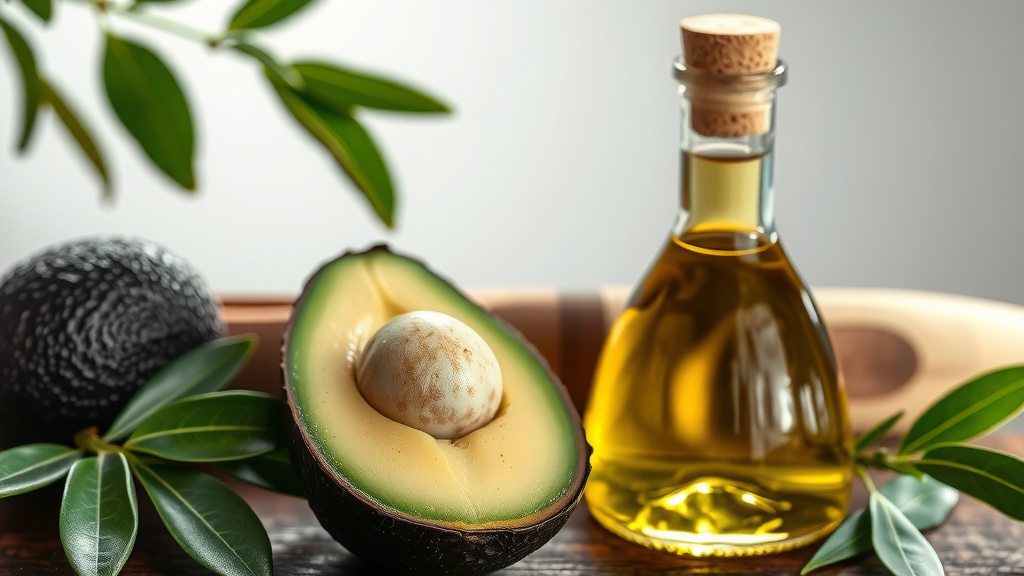
Best Uses for Each Oil
Knowing when to use each oil is key to unlocking their full potential in your kitchen.
Where Avocado Oil Shines
Given its high smoke point and neutral flavor, avocado oil is ideal for:
- High-heat cooking methods like searing, stir-frying, and roasting.
- Baking, where you don’t want an oily flavor to interfere with your desserts.
- Making homemade mayonnaise or salad dressings if you prefer a neutral base.
- Air frying and grilling.
Where Extra Virgin Olive Oil Excels
The rich flavor and lower smoke point of EVOO make it perfect for:
- Drizzling over finished dishes for flavor enhancement.
- Creating salad dressings and vinaigrettes.
- Finishing pasta dishes or roasted vegetables.
- Low-to-medium heat sautéing.
- Dipping bread.
Making Your Choice: A Simple Checklist
Feeling overwhelmed? Don’t be! Here’s a quick guide to help you decide:
- Are you cooking at high heat? If yes, reach for avocado oil.
- Do you want a distinct flavor in your dish? If yes, EVOO is your friend.
- Are you making a salad dressing? EVOO often adds a lovely finish.
- Is baking your main goal? Avocado oil’s neutrality is often preferred.
- Are you sensitive to strong flavors? Avocado oil is the milder option.
- Do you want antioxidants from your oil? EVOO typically has more.
Avocado Oil vs. Extra Virgin Olive Oil: A Quick Comparison Table
Here’s a snapshot to help you compare them side-by-side:
| Feature | Avocado Oil | Extra Virgin Olive Oil |
|---|---|---|
| Smoke Point | High (500-520°F / 260-270°C) | Medium (375-405°F / 190-205°C) |
| Primary Fat Type | Monounsaturated | Monounsaturated |
| Flavor | Neutral | Distinct (fruity, peppery, grassy) |
| Best For | High-heat cooking, baking, neutral base | Dressings, finishing, low-medium heat sautéing |
| Antioxidant Content | Moderate | Higher |
Conclusion
So, you’ve got the lowdown on avocado oil and extra virgin olive oil! Remember, avocado oil is your go-to for high-heat cooking thanks to its superior smoke point and neutral taste. It lets your food’s natural flavors take center stage. Extra virgin olive oil, with its delightful flavor and lower smoke point, is perfect for dressings and finishing dishes where its taste truly shines. Both are fantastic for your heart health. Making the right choice means your meals will be healthier and tastier. Next time you’re in the kitchen, consider the heat and flavor you need, and pick your champion!
Frequently Asked Questions
Can I use avocado oil for salad dressing?
Yes, you absolutely can! Avocado oil has a very neutral flavor, so it won’t overpower other ingredients in your dressing. It’s a great option if you want a creamy texture without a strong oily taste.
Is extra virgin olive oil bad for high-heat cooking?
Extra virgin olive oil has a lower smoke point, making it less ideal for very high-heat cooking like searing or deep-frying. When heated past its smoke point, it can break down and affect the taste of your food. It’s better suited for lower to medium heat or for uncooked applications.
Which oil is better for baking, avocado or EVOO?
For most baking, avocado oil is often preferred. Its neutral flavor ensures it won’t interfere with the sweet or subtle tastes of your baked goods. EVOO’s strong flavor can sometimes be too noticeable in cakes, cookies, or pastries.
Do avocado oil and EVOO have similar health benefits?
Both oils are excellent sources of monounsaturated fats, which are great for heart health. Extra virgin olive oil generally contains more antioxidants like polyphenols due to less processing. Avocado oil is also a good source of healthy fats and vitamin E.
Can I substitute avocado oil for olive oil in any recipe?
You can often substitute avocado oil for regular olive oil, especially in cooking where its neutral flavor is an advantage. However, if a recipe calls for extra virgin olive oil for its distinct flavor, substituting avocado oil will change the taste profile of the dish.

![7 Best Costco Olive Oil Reddit [2026]](https://bestpureessentialoils.com/wp-content/uploads/2026/06/7-best-costco-olive-oil-reddit-2026-featured-768x432.jpg)
![7 Best Olive Oil At Heb [2026]](https://bestpureessentialoils.com/wp-content/uploads/2026/09/7-best-olive-oil-at-heb-2026-featured-768x432.jpg)