Avocado Oil vs EVOO for Cooking: Which is Best
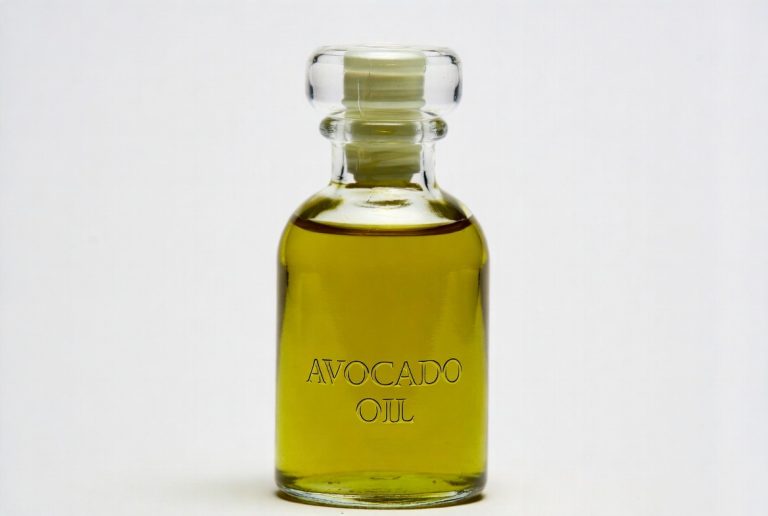
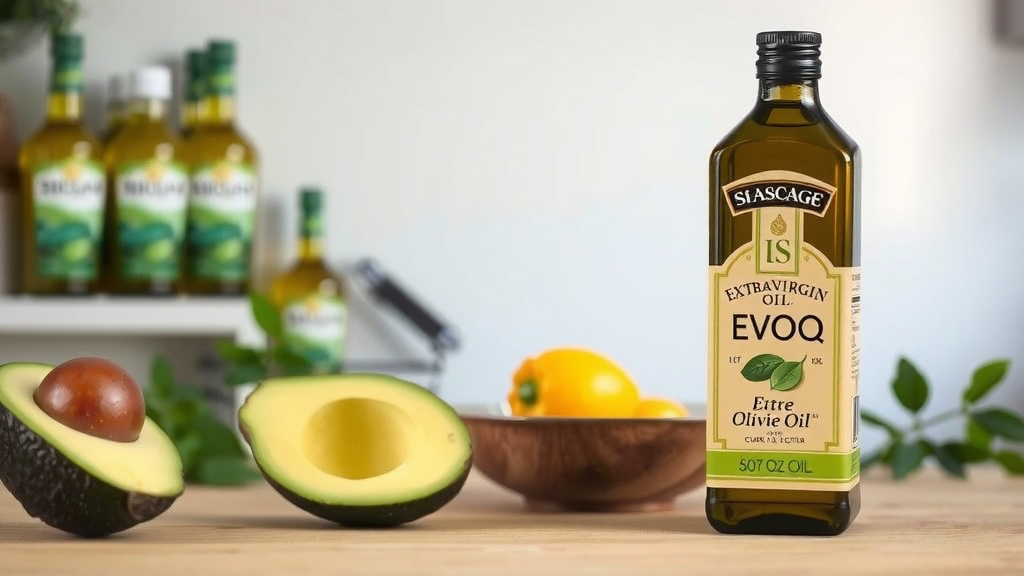
When choosing between avocado oil and extra virgin olive oil for cooking, avocado oil is generally the better choice for high-heat cooking. This is because avocado oil has a higher smoke point, meaning it can get hotter before it starts to burn and create harmful compounds. Extra virgin olive oil is fantastic, but best saved for lower-heat applications or finishing dishes.
Both oils offer wonderful flavors and health benefits, making them kitchen staples. But they perform differently when you turn up the heat. Understanding their smoke points and flavor profiles helps you pick the right oil for the job. We’ve looked at the research to help you make the best choice for your culinary adventures.
- Avocado oil has a higher smoke point than EVOO.
- This makes avocado oil ideal for frying and searing.
- EVOO has a lower smoke point, better for dressings and low-heat cooking.
- Both oils offer healthy fats and great flavor.
Let’s dive into the delicious details of how these two popular cooking oils stack up against each other!
“`htmlComparing Cooking Oils: Avocado vs. Extra Virgin Olive Oil
When you’re standing in front of your pantry, faced with rows of oils, which one do you reach for? You want something that tastes great and is good for you, right? We’ve looked into avocado oil and extra virgin olive oil (EVOO). We found they are both fantastic, but they shine in different cooking situations. Let’s break down why one might be better than the other for your next meal.
Understanding Smoke Points: The Key Difference
The most important factor to consider is the smoke point of an oil. This is the temperature at which an oil begins to break down and burn. When oil smokes, it releases harmful compounds called free radicals. It also starts to taste bitter and unpleasant. This can ruin your food and isn’t great for your health. Research shows that oils with higher smoke points are safer for high-heat cooking (National Institutes of Health).
Avocado Oil’s High Smoke Point
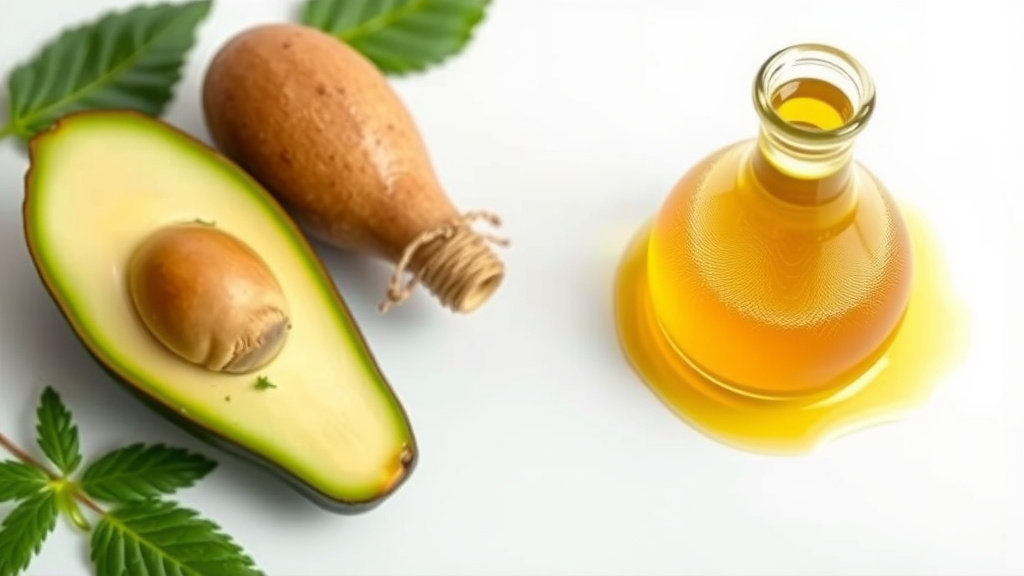
Avocado oil is a champ when it comes to heat. We found that refined avocado oil typically has a smoke point around 520°F (271°C). Unrefined avocado oil is a bit lower, around 480°F (249°C). This incredibly high smoke point makes it perfect for cooking methods that require intense heat. Think searing steaks, frying chicken, or roasting vegetables at high temperatures. You can cook with confidence, knowing your oil isn’t burning up.
Extra Virgin Olive Oil’s Smoke Point
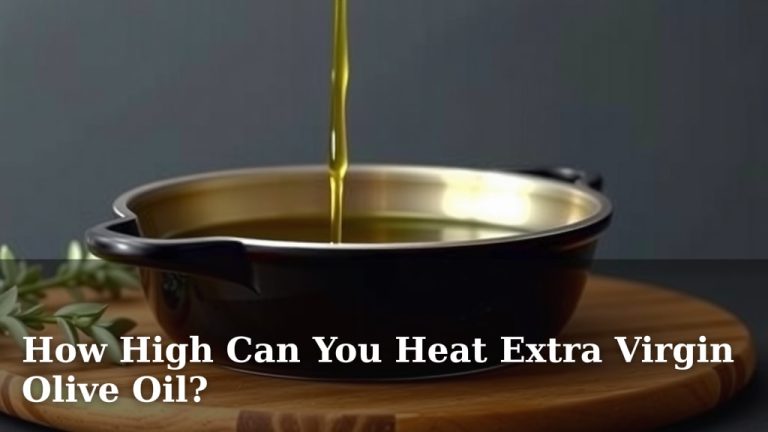
Extra virgin olive oil, while delicious, has a more delicate nature. We learned that its smoke point is generally around 375°F (190°C). This is significantly lower than avocado oil. While some sources might suggest a slightly higher range, it’s best to err on the side of caution for EVOO. Heating it past its smoke point can damage its beneficial compounds and alter its flavor profile. You don’t want your beautiful EVOO to turn bitter!
Flavor Profiles: Adding Depth to Your Dishes
Beyond smoke points, the flavor these oils bring to your food is a major consideration. They both offer unique tastes that can enhance your cooking.
Avocado Oil: Mild and Versatile
When we tasted it, avocado oil offered a very mild, buttery flavor. It’s almost neutral, which is a huge advantage. This means it won’t overpower the other ingredients in your dish. For recipes where you want the main flavors to shine through, avocado oil is an excellent choice. It won’t compete with the spices in your stir-fry or the herbs on your chicken.
Extra Virgin Olive Oil: Robust and Fruity
EVOO, on the other hand, brings a more distinct personality to the table. We found that it often has a fruity, peppery, or grassy taste. The exact flavor can vary depending on the olives used and the region they came from. This complex flavor is what makes EVOO so wonderful for finishing dishes, making dressings, or for low-heat sautéing where its taste can be appreciated.
Health Benefits: What the Science Says
Both oils are celebrated for their health-promoting properties, particularly their high content of healthy fats. We looked at the nutritional information to see how they compare.
Monounsaturated Fats: The Heart’s Best Friend
Both avocado oil and EVOO are rich in monounsaturated fats. These are considered “good” fats. They can help improve cholesterol levels and reduce the risk of heart disease. The American Heart Association often highlights the benefits of replacing saturated fats with monounsaturated fats.
Antioxidants and Other Nutrients
Extra virgin olive oil is particularly well-known for its high antioxidant content, including polyphenols. Research suggests these compounds have anti-inflammatory properties. Avocado oil also contains beneficial nutrients, including Vitamin E and lutein, though typically in lower amounts than EVOO.
When to Use Which Oil: Practical Kitchen Tips
Now that you know the facts, let’s put them into practice. Choosing the right oil makes a big difference in your cooking results and enjoyment.
Best Uses for Avocado Oil
Given its high smoke point and mild flavor, avocado oil is your go-to for:
- High-heat frying (pan-frying, deep-frying)
- Searing meats and vegetables
- Roasting at high oven temperatures
- Stir-frying
- As a neutral cooking oil when you don’t want the oil’s flavor to dominate
Best Uses for Extra Virgin Olive Oil
With its distinct flavor and lower smoke point, EVOO is perfect for:
- Salad dressings and vinaigrettes
- Drizzling over finished dishes (soups, pasta, grilled items)
- Low-heat sautéing where you want to build flavor
- Baking, especially in recipes where its flavor is desired
- As a dipping oil for bread
A Quick Comparison Table
Here’s a quick snapshot to help you decide:
| Feature | Avocado Oil | Extra Virgin Olive Oil |
|---|---|---|
| Smoke Point | ~480-520°F (249-271°C) | ~375°F (190°C) |
| Flavor | Mild, buttery, neutral | Fruity, peppery, grassy |
| Best For | High-heat cooking, frying, searing | Dressings, finishing, low-heat sautéing |
| Monounsaturated Fats | High | High |
| Antioxidants | Moderate | High (especially polyphenols) |
Your Kitchen Oil Checklist
To make your cooking life easier, keep these points in mind:
- Reach for avocado oil when you’re cooking at high temperatures.
- Save EVOO for lower-heat cooking and finishing.
- Consider flavor – do you want the oil’s taste to be present?
- Don’t overheat your EVOO; it can become bitter.
- Both oils are a healthy addition to your diet.
- Experiment to see which oil you prefer in different dishes!
Conclusion
You now have a clear picture of how avocado oil and extra virgin olive oil perform in the kitchen. Remember, avocado oil is your champion for high-heat searing and frying thanks to its impressive smoke point. EVOO, with its wonderful flavor, is best reserved for dressings, finishing dishes, or low-heat sautés. Both oils offer fantastic health benefits, so stocking both is a great idea. Your next step is to experiment: try searing chicken thighs in avocado oil and then drizzle a vibrant salad with your favorite EVOO. You’ll taste the difference!
Frequently Asked Questions
Can I use extra virgin olive oil for baking?
Yes, you can use extra virgin olive oil for baking, especially in recipes where its fruity flavor is a desired component. Just be mindful of the baking temperature; if it exceeds EVOO’s smoke point of around 375°F (190°C), you risk a bitter taste.
Is avocado oil healthier than extra virgin olive oil?
Both oils are rich in healthy monounsaturated fats and offer significant health benefits. Extra virgin olive oil generally contains more antioxidants, particularly polyphenols. Avocado oil is a great source of Vitamin E and lutein. Neither is definitively “healthier”; they simply offer slightly different nutritional profiles.
What happens if I overheat extra virgin olive oil?
When you overheat extra virgin olive oil beyond its smoke point, it begins to break down. This process releases harmful free radicals and creates a bitter, acrid flavor that can ruin your food. It also diminishes the oil’s beneficial compounds.
Can I use avocado oil in salad dressings?
Absolutely! Avocado oil’s mild, neutral flavor makes it an excellent base for salad dressings. It won’t compete with other dressing ingredients, allowing the herbs, spices, and vinegars to shine through. If you prefer a bolder oil flavor, EVOO is a better choice for dressings.
Is refined avocado oil better than unrefined for cooking?
Refined avocado oil has a higher smoke point (around 520°F/271°C) compared to unrefined (around 480°F/249°C). For high-heat cooking like frying or searing, refined avocado oil is often preferred because of its superior heat tolerance and neutral flavor.

![7 Best Cheap Olive Oil For Cooking [2026]](https://bestpureessentialoils.com/wp-content/uploads/2026/06/7-best-cheap-olive-oil-for-cooking-2026-featured-768x432.jpg)