
Canola Oil vs Olive Oil for Weight Loss: Which is Best
When choosing between canola oil and olive oil for weight loss, olive oil generally takes the crown. While both are healthier than highly processed oils, olive oil’s monounsaturated fats are more beneficial for satiety and may support weight management goals. Canola oil is also a good choice, but olive oil offers unique advantages.
Thinking about which oil to use in your cooking can feel like a small detail, but it can really add up! We found that understanding the fatty acid profiles of different oils helps us make smarter choices. This isn’t about a magic bullet, but about making your meals work a little harder for your well-being.
- Olive oil is often preferred for weight loss due to its healthy fats.
- Both oils are better than processed alternatives.
- Monounsaturated fats in olive oil can help you feel fuller longer.
- Your choice of oil is part of a bigger healthy eating picture.
Ready to dive deeper into how canola and olive oil stack up? We’ll break down the science and give you the lowdown so you can decide which one is best for your kitchen and your goals.
Cooking Oils and Your Weight Loss Journey
When you’re trying to lose weight, every choice matters. Even the oil you use in your cooking can play a role. You might be wondering if canola oil or olive oil is the better pick for your goals. We’ve looked into it, and the answer often leans towards olive oil, but let’s break down why.
Understanding Healthy Fats in Cooking Oils
Fats are essential for your body. They help absorb vitamins and provide energy. Not all fats are created equal, though. For weight loss, we focus on healthy fats. These are primarily monounsaturated and polyunsaturated fats. They are found in oils like olive oil and canola oil. These healthy fats can help you feel fuller for longer. This can reduce overall calorie intake.
Monounsaturated Fats: The Star Players
Olive oil is famous for its high content of monounsaturated fats (MUFAs). These fats are great for heart health. They also seem to be particularly good for weight management. Research suggests that diets rich in MUFAs can help with fat loss. They may also help prevent fat from accumulating in your belly. We found that MUFAs can be a real ally in your weight loss efforts.
Canola Oil’s Fat Profile
Canola oil also contains healthy fats. It has a good amount of monounsaturated fats. It also includes polyunsaturated fats, like omega-3s and omega-6s. However, the ratio of these fats is important. The balance of omega-3s to omega-6s in canola oil is considered quite good. This is better than many other vegetable oils. Still, olive oil generally has a higher percentage of MUFAs.
Olive Oil vs. Canola Oil: A Closer Look
Let’s compare these two popular oils side-by-side. It’s not just about the fat type, but also the processing and other compounds.
Olive Oil: The Mediterranean Favorite
Extra virgin olive oil (EVOO) is often highlighted for its health benefits. It’s less processed than refined oils. This means it retains more beneficial compounds like antioxidants. These antioxidants may help fight inflammation in your body. Some studies suggest that antioxidants can play a role in weight regulation. We found that the richness of antioxidants in EVOO is a big plus.
Benefits for Satiety
That feeling of fullness after a meal is key. It helps you avoid snacking. Olive oil’s MUFAs are thought to slow down digestion. This leads to a more gradual release of nutrients into your bloodstream. You stay satisfied longer. This effect can be very helpful when you’re trying to manage hunger pangs. Many people find that meals cooked with olive oil keep them feeling good until the next meal. It’s a simple way to support your calorie goals.
Calorie Content
It’s important to remember that all oils are calorie-dense. A tablespoon of olive oil has about 120 calories. The same amount of canola oil also has around 120 calories. So, portion control is vital, no matter which oil you choose. Using too much of any fat will hinder weight loss. We always recommend measuring your oils. This helps you stay within your calorie targets.
Canola Oil: A Versatile Choice
Canola oil is made from the rapeseed plant. It’s a good source of omega-3 fatty acids. These are beneficial for heart health and reducing inflammation. It also has a neutral flavor. This makes it versatile for many types of cooking. It can be used for baking, frying, and sautéing. We found that its neutral taste is a significant advantage for many home cooks.
Processing of Canola Oil
Most canola oil sold in stores is refined. This process uses heat and chemicals. This can strip away some of the natural nutrients. Some producers offer expeller-pressed or organic versions. These may retain more beneficial compounds. However, they are often more expensive. When comparing, refined oils typically have fewer antioxidants than extra virgin olive oil.
Comparing Nutritional Aspects for Weight Loss
Here’s a quick look at how they stack up:
| Nutrient | Olive Oil (Extra Virgin) | Canola Oil |
|---|---|---|
| Monounsaturated Fats | ~73% | ~63% |
| Polyunsaturated Fats (Omega-3 & Omega-6) | ~11% | ~28% |
| Saturated Fats | ~14% | ~7% |
| Antioxidants | High | Low (in refined versions) |
As you can see, olive oil generally leads in MUFAs and antioxidants. Canola oil offers a good amount of omega-3s. Both can be part of a healthy diet. For weight loss, the satiety factor from olive oil’s MUFAs often gives it an edge.
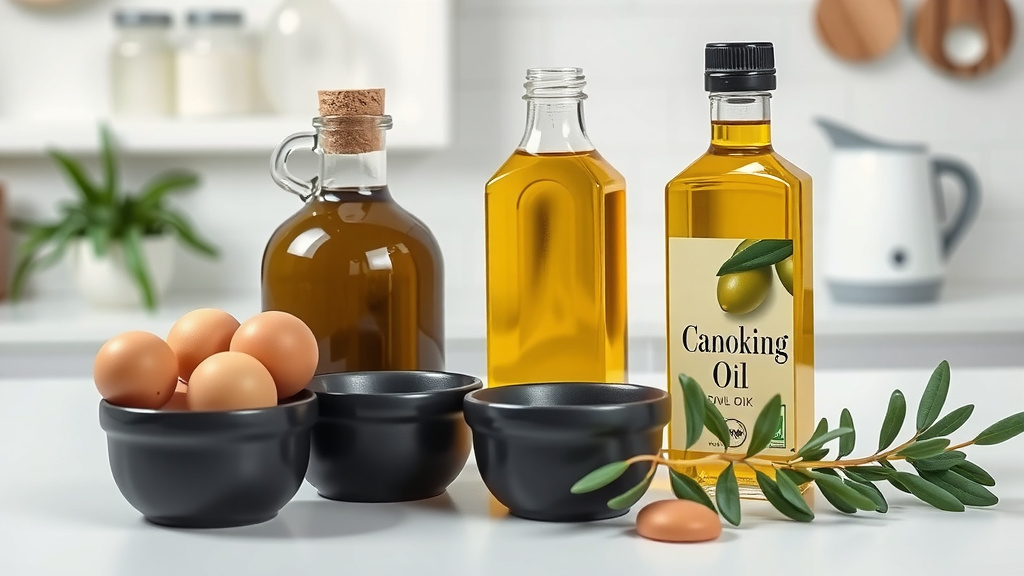
How to Use Oils Wisely for Weight Loss
Your approach to using these oils is just as important as your choice. Here are some tips we found helpful:
- Measure, don’t guess. Use a tablespoon or measuring cup.
- Prioritize low-heat cooking. Sautéing or dressing salads is ideal.
- Use oils to add flavor. Enhance vegetables and lean proteins.
- Don’t overdo it. A little goes a long way.
- Choose quality. Opt for extra virgin olive oil when possible.
- Listen to your body. See which oil makes you feel most satisfied.
Making the Best Choice for You
So, which oil should you reach for? For weight loss, olive oil often gets the nod. Its high monounsaturated fat content can help you feel full. The antioxidants are a bonus for overall health. Canola oil is still a healthy option, especially if you’re looking for omega-3s or a neutral flavor. It’s a good choice when olive oil’s flavor isn’t desired.
Ultimately, both oils are far better than using butter, lard, or highly processed vegetable oils. The key is to use them in moderation. They should be part of a balanced diet with plenty of whole foods. Think of them as tools to make your healthy meals even better. Your journey is unique, so experiment and see what works best for your taste buds and your body.
Conclusion
When you’re aiming for weight loss, your choice between canola and olive oil can make a difference. We found that olive oil often has a slight edge. Its high amount of monounsaturated fats helps you feel fuller longer, which can reduce overall calorie intake. Canola oil is still a healthy choice, especially for its omega-3s and neutral flavor. Remember, both oils are calorie-dense, so portion control is key for either. Start by measuring your oil and see how incorporating more olive oil feels for your satiety. Make smart swaps to support your wellness journey.
Frequently Asked Questions
Which oil is better for salad dressings for weight loss?
For salad dressings aimed at weight loss, extra virgin olive oil is often preferred. Its monounsaturated fats can help increase satiety, meaning you’ll feel fuller after your meal. The flavor of olive oil also complements many salad ingredients beautifully. You can also use canola oil if you prefer a more neutral taste.
Can I use canola oil for high-heat cooking if I’m trying to lose weight?
Yes, you can use canola oil for high-heat cooking. It has a higher smoke point than many olive oils, making it suitable for sautéing or light frying. While its fat profile is slightly less ideal for satiety than olive oil’s, it’s still a healthy fat choice. Just remember to use it in moderation as part of your overall calorie intake.
Does the processing of olive oil and canola oil affect weight loss?
The processing can impact nutrient content. Extra virgin olive oil is less processed and retains more antioxidants, which are beneficial for overall health. Refined canola oil undergoes more processing, which can reduce its natural compounds. Choosing less refined versions of both can be beneficial, but moderation is still the most critical factor for weight loss.
Will switching from butter to canola or olive oil help me lose weight?
Switching from butter to canola or olive oil can be a helpful step for weight loss. Olive oil and canola oil contain healthier fats, like monounsaturated and polyunsaturated fats, compared to the saturated fat found in butter. These healthier fats can contribute to feeling fuller, potentially leading to less overall consumption.
How much olive oil or canola oil should I use daily for weight loss?
The amount varies based on your total daily calorie needs. However, a general guideline is to limit added oils to about 1-2 tablespoons per day. We recommend measuring your oil to ensure you’re not overusing it, as all oils are calorie-dense and can impact weight loss goals if consumed in excess.


![7 Best Extra Virgin Olive Oil For Health And Weight Loss [2026]](https://bestpureessentialoils.com/wp-content/uploads/2026/08/7-best-extra-virgin-olive-oil-for-health-and-weight-loss-2026-featured-768x432.jpg)