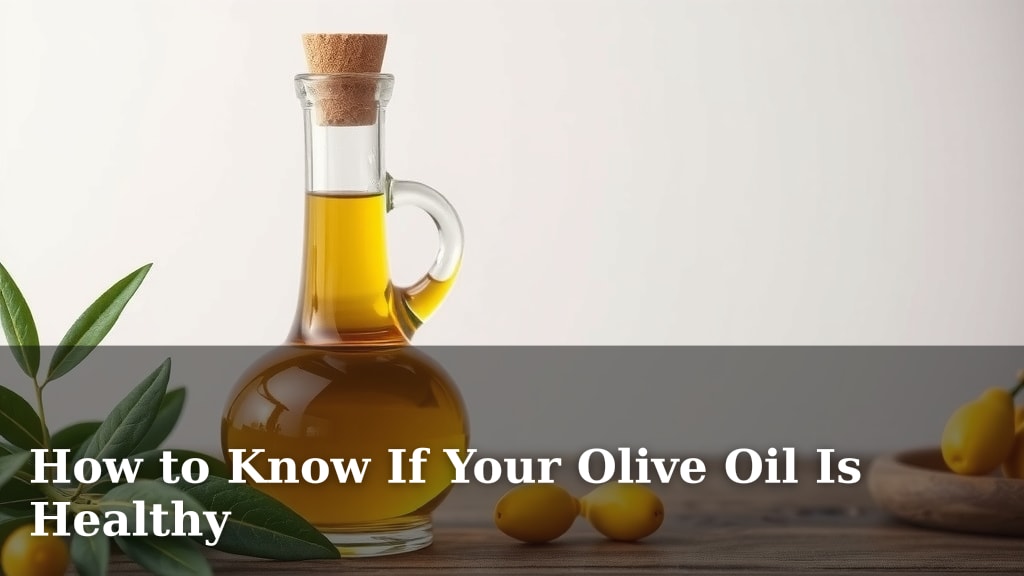
How to Know If Your Olive Oil Is Healthy
You’re wondering if that bottle of olive oil in your pantry is truly doing your body good. The short answer is: your olive oil is healthy if it’s extra virgin and has a fresh, fruity aroma. If it smells rancid or is labeled simply as “olive oil” or “light,” it might not be the healthiest choice.
We often reach for olive oil thinking it’s automatically a health food, but not all olive oils are created equal. The processing and quality play a huge role in its health benefits. Understanding these differences helps you pick the best oils for your cooking and well-being.
- Look for “Extra Virgin” on the label.
- Smell your olive oil – it should smell fresh and fruity.
- Check the harvest date for freshness.
- Avoid oils labeled “light” or just “olive oil.”
- Store it in a cool, dark place.
Let’s break down how to be sure your olive oil is the good stuff your body will thank you for.
Picking the Healthiest Olive Oil for Your Kitchen
You’ve got that bottle of olive oil, but is it *really* good for you? We’ve all been there, grabbing what looks like a healthy option off the shelf. But the truth is, not all olive oils offer the same benefits. Your olive oil’s health potential starts the moment it’s made. We’re going to help you decode the labels and sniff out the best oils.
What Makes Olive Oil “Healthy”?
The magic in olive oil comes from its fatty acids and antioxidants. These are compounds that help fight inflammation and protect your body. Extra virgin olive oil is the least processed type. This means it keeps more of its natural goodness. Other types might lose these beneficial compounds during refining.
The Power of Monounsaturated Fats
Olive oil is famous for its monounsaturated fats. Oleic acid is the main one. This type of fat is heart-healthy. Research suggests it can help lower bad cholesterol (LDL) and raise good cholesterol (HDL) levels (NCBI). This is a big win for your cardiovascular system!
Antioxidants: Your Body’s Defenders
You’ll also find plenty of antioxidants in good olive oil. Polyphenols and Vitamin E are key players. These compounds act like little bodyguards. They protect your cells from damage caused by free radicals. This damage can contribute to aging and chronic diseases. More antioxidants mean more protection.
Decoding the Olive Oil Label: Your First Clue
The label tells you more than just the brand. It’s your roadmap to finding quality. Don’t just glance; read it carefully. What you see (or don’t see) can tell you a lot about what’s inside the bottle.
Why “Extra Virgin” is King
When you see “Extra Virgin Olive Oil” (EVOO), it’s a good sign. This means the oil was extracted using mechanical means. No heat or chemicals were involved. This preservation method keeps the flavor and nutrients intact. Many health organizations recommend it as a top choice (Mayo Clinic).
What “Pure” or “Light” Really Means
You might see labels like “Pure Olive Oil” or “Light Olive Oil.” Be cautious here. These oils are often refined. Refining uses heat and chemicals. This process removes impurities. But it also strips away many of the healthy compounds and flavor. “Light” usually refers to flavor and color, not calories.
Beyond the Basics: Other Olive Oil Grades
There are other grades of olive oil, but they aren’t as beneficial:
- Virgin Olive Oil: Similar to extra virgin, but with slightly higher acidity. Still good, but not the best.
- Olive Oil (or Pure Olive Oil): A blend of virgin and refined olive oils. Less healthy.
- Refined Olive Oil: Processed to remove defects. Lacks flavor and nutrients.
- Olive Pomace Oil: Made from leftover olive pulp. Often contains chemical residues.
Freshness Matters: Smell and Taste Tests
Olive oil is like wine; it can go bad. Its health benefits diminish over time. Trusting your senses is key to checking its freshness. A quick sniff can reveal a lot.
The Aroma Test: What Should It Smell Like?
Pop open that bottle! Your nose knows. Healthy extra virgin olive oil should have a fresh, fruity aroma. Think green grass, apple, or even a hint of peppery spice. If it smells like crayons, putty, or rancid nuts, it’s likely past its prime.
The Taste Test: A Peppery Punch
A good EVOO will often have a slight peppery bite in the back of your throat. This is called pungency. It’s caused by beneficial compounds called oleocanthal. It’s a sign of a fresh, high-quality oil. If it tastes bland, waxy, or stale, it’s probably not your healthiest option.
Checking the Details: Dates and Packaging
Beyond labels, a few other details can help you pick a good oil. These are often overlooked but can be very important.
The Importance of Harvest Date
Look for a harvest date on the bottle. This is much more useful than a “best by” date. Olive oil is best when it’s fresh. Aim for oil harvested within the last year or two. An older oil will have lost some of its vibrant flavor and health benefits.
Dark Glass or Tins are Best
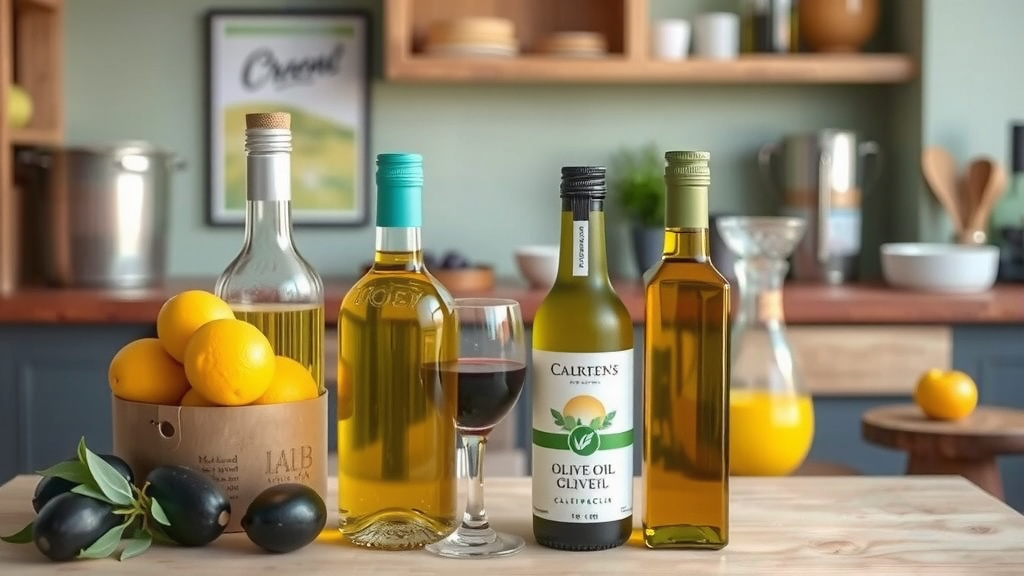
Light is the enemy of olive oil. It can degrade the oil quickly. Always choose olive oil sold in dark glass bottles or metal tins. Plastic bottles offer less protection. Clear bottles are a definite red flag.
Storing Your Olive Oil for Maximum Health Benefits
How you store your oil impacts its quality. Proper storage helps preserve those precious nutrients and flavors. It’s not complicated, just requires a little awareness.
Cool, Dark, and Away from Heat
Keep your olive oil in a cool, dark place. A pantry or cupboard away from the stove is ideal. Heat and light are its biggest enemies. Avoid storing it right next to the oven or on a sunny windowsill. A consistent, cool temperature is best.
Keep it Tightly Sealed
Make sure the cap is tightly sealed after each use. Exposure to air can cause oxidation. This leads to the oil becoming rancid. Think of it like keeping leftovers fresh. A good seal keeps the good stuff in and the bad air out.
Quick Checklist for Your Next Olive Oil Purchase
Ready to shop smart? Here’s a quick guide to help you choose the healthiest olive oil:
- Look for “Extra Virgin” clearly stated on the label.
- Check the harvest date. Fresher is always better.
- Smell the oil if possible. It should be fruity and fresh.
- Choose dark glass or tins to protect from light.
- Avoid oils labeled “light” or “pure” if health is your priority.
- Store it properly in a cool, dark place.
Conclusion
You now have the power to choose truly healthy olive oil for your kitchen. Remember, the key is sticking to “Extra Virgin”. Always check for a fresh, fruity aroma and look for the harvest date. Proper storage in a cool, dark place preserves its quality and benefits. By reading labels carefully and trusting your senses, you can confidently select oils that support your well-being. Make it a habit to check these details on your next grocery run and enjoy the goodness of real olive oil!
Frequently Asked Questions
Is olive oil healthy even if it’s not extra virgin?
While other grades contain some healthy fats, extra virgin olive oil (EVOO) is the healthiest. It retains the most beneficial antioxidants and phytonutrients because it’s minimally processed. Other grades, like pure or light olive oil, are often refined, reducing their health advantages.
How do I know if my olive oil has gone bad?
Your senses are your best guide. If your olive oil smells like crayons, putty, or has a generally unpleasant, rancid odor, it has likely gone bad. A stale or waxy taste is also a strong indicator. Fresh EVOO should smell and taste fruity, sometimes with a peppery finish.
What does “light” mean on an olive oil bottle?
“Light” on an olive oil label refers to its flavor and color, not its calorie content. Light olive oils are usually refined and have a more neutral taste. They lack the robust flavor and many of the health compounds found in extra virgin olive oil.
Does the harvest date really matter for olive oil?
Yes, the harvest date is very important for olive oil quality and health benefits. Olive oil is a fresh product. The sooner you consume it after harvest, the more antioxidants and flavor it will retain. Aim for oil harvested within the last 12-24 months.
Can I store olive oil in the refrigerator?
It’s generally not recommended to store olive oil in the refrigerator. Cold temperatures can cause the oil to solidify and may affect its texture and flavor over time. A cool, dark pantry or cupboard is the ideal storage location for preserving its quality.

![7 Best Italian Olive Oil For Dipping Bread [2026]](https://bestpureessentialoils.com/wp-content/uploads/2026/08/7-best-italian-olive-oil-for-dipping-bread-2026-featured-768x432.jpg)
![7 Best Costco Olive Oil For Cooking [2026]](https://bestpureessentialoils.com/wp-content/uploads/2026/06/7-best-costco-olive-oil-for-cooking-2026-featured-768x432.jpg)
![7 Best High End Olive Oil [2026]](https://bestpureessentialoils.com/wp-content/uploads/2026/08/7-best-high-end-olive-oil-2026-featured-768x432.jpg)