How to Tell If Your Olive Oil Has Gone Bad
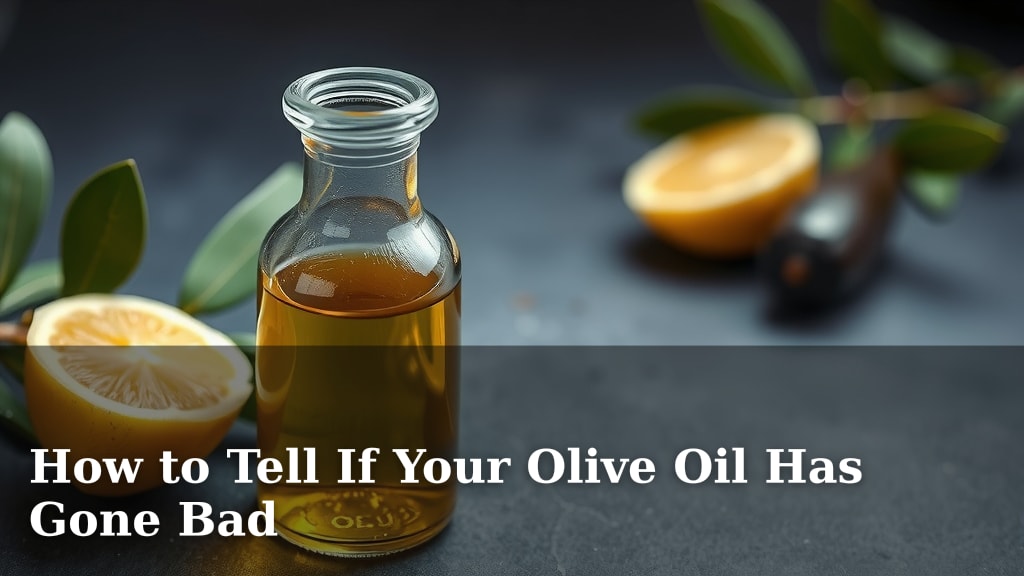
You can tell if your olive oil has gone bad by checking its smell, taste, and appearance. Rancid olive oil often smells like crayons, putty, or even old nuts. It might also have a bitter or unpleasant taste that lingers. While visual cues aren’t always obvious, a cloudy or dull appearance can sometimes signal spoilage.
Olive oil doesn’t last forever, and using a spoiled bottle can ruin your favorite dishes. Exposure to light, heat, and air are the main culprits that cause it to degrade. Understanding the signs of spoilage helps you avoid using oil that has lost its flavor and potential health benefits. Many home cooks find that their oil is often past its prime before they realize it.
- Bad olive oil smells like crayons or putty.
- It might have a bitter or unpleasant taste.
- Cloudy or dull appearance can be a sign.
- Proper storage extends its shelf life.
- Check the expiration date, but also trust your senses.
Let’s dive into the specific ways you can tell if your olive oil has sadly turned.
Spotting Spoiled Olive Oil: Your Senses Are Key
You’ve probably reached for your olive oil bottle for a recipe. But how do you know if it’s still good to use? We’ll guide you through checking your olive oil to avoid any unpleasant surprises in your cooking.
The Olfactory Test: What Does it Smell Like?
The smell is often the first and most telling sign. Fresh olive oil has a pleasant, fruity, or grassy aroma. It smells like the olives it came from. If your oil smells off, it’s time to pay attention.
You might notice a scent that reminds you of crayons or putty. Some people describe it as smelling like old nuts or even something vaguely chemical. This is the smell of rancidity. It means the fats in the oil have oxidized.
A truly spoiled oil might even have a musty or stale smell. If you sniff your oil and get a hint of something unpleasant, it’s likely past its prime. Trust your nose; it’s usually right about this.
The Gustatory Guide: How Does it Taste?
If the smell didn’t give it away, the taste certainly will. A small sip is all you need to check. Fresh olive oil has a clean taste. It might have a peppery finish or a slight bitterness, which indicates good quality.
Spoiled olive oil tastes unpleasant. You might detect a rancid or bitter flavor that lingers. It can taste stale, like old nuts, or even slightly metallic. This taste is a clear indicator that the oil has degraded.
If your olive oil tastes “off” or just doesn’t taste like good olive oil should, it’s best to discard it. Using rancid oil won’t just ruin the flavor of your food; it can also make it less healthy. Some research suggests that oxidized oils can lose their beneficial compounds (NCBI).
Visual Clues: What Does it Look Like?
While smell and taste are more reliable, the appearance can offer some clues. Fresh, high-quality olive oil typically looks clear and bright. It might range from a light golden yellow to a deep green color, depending on the olives used.
Cloudiness and Sediment
If your olive oil looks cloudy or has a lot of sediment at the bottom, it might be a sign of spoilage or improper storage. Small particles are normal in unfiltered olive oil. However, a milky or hazy appearance throughout the oil, especially after being stored at room temperature, can be concerning.
Changes in Texture
While rare, significant changes in the oil’s texture could also be a sign. If it seems unusually thick or has developed any sort of gummy consistency, it’s probably gone bad. Stick to the smell and taste test first, as these are more definitive.
Understanding Olive Oil Degradation: Why It Happens
Olive oil is a natural product. Like many foods, it doesn’t last forever. Several factors contribute to its degradation, leading to that rancid smell and taste you want to avoid.
The Enemies of Olive Oil: Light, Heat, and Air
Olive oil is sensitive to its environment. The main culprits that speed up its decline are light, heat, and air. Exposure to these elements causes oxidation. This process breaks down the beneficial compounds in the oil.
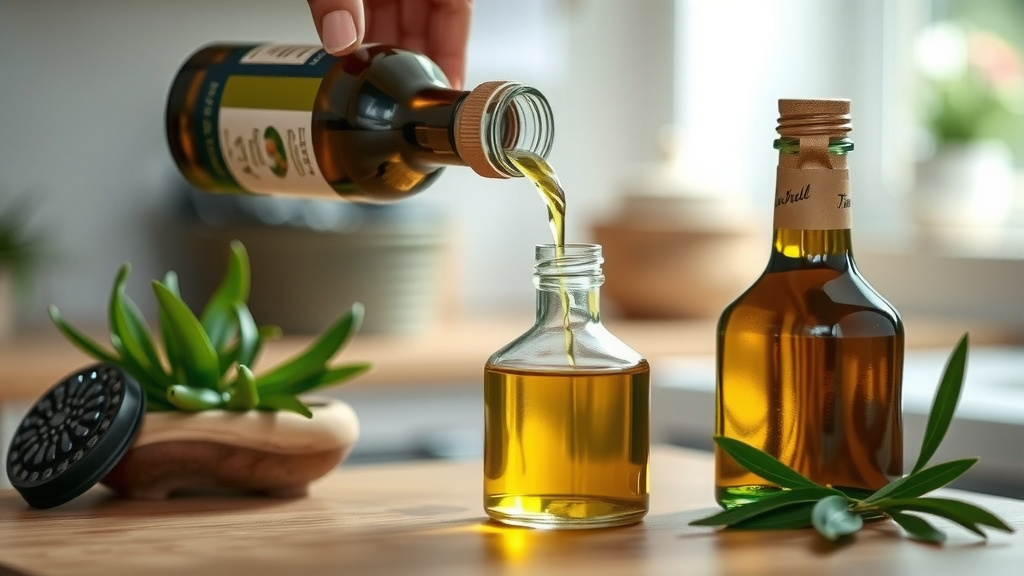
- Light: Sunlight or even bright artificial light can degrade olive oil quickly. This is why many good olive oils come in dark glass bottles.
- Heat: High temperatures accelerate the oxidation process. Storing olive oil near a stove or in a warm pantry is not ideal.
- Air: Every time you open the bottle, the oil is exposed to oxygen. This is why keeping the cap tightly closed is important.
The Role of Time: Expiration Dates and Shelf Life
Olive oil does have a shelf life. Most bottles will have a “best by” or expiration date printed on them. This date is a good guideline, but it’s not the absolute end of the line.
Generally, unopened olive oil can last for about two years from its production date. Once opened, it’s best to use it within 18 months. Some premium oils may have a shorter recommended use-by window.
However, even before the expiration date, oil can go bad if stored improperly. Always check the expiration date as a starting point, but rely on your senses too.
A Quick Checklist for Your Olive Oil
Here’s a simple way to remember what to look for. Keep this handy the next time you’re unsure:
- Smell Test: Does it smell fruity and fresh, or like crayons and putty?
- Taste Test: Does it taste clean, or bitter and unpleasant?
- Visual Check: Is it clear, or unusually cloudy?
- Date Check: Is it past its best-by date?
- Storage Check: Has it been exposed to light or heat?
If you answered “yes” to the negative aspects of any of these checks, your olive oil has likely gone bad. Don’t risk it for your delicious dishes!
Conclusion
Now you’re equipped to tell if your olive oil has turned. Remember, your senses are your best tools here. A quick sniff for that crayon-like odor or a tiny sip for a bitter taste will reveal the truth. While expiration dates offer a guide, they aren’t the final word. Proper storage in a cool, dark place away from air is key to preserving its freshness. Don’t let rancid oil spoil your meals. When in doubt, trust your nose and taste buds, and make the decision to toss it. Your cooking will thank you for it!
Frequently Asked Questions
Does olive oil go bad if it’s never opened?
Yes, even unopened olive oil can go bad. Exposure to light and heat, even through the packaging, can degrade the oil over time. Always check the expiration date and store it properly in a cool, dark place.
Can I use olive oil past its expiration date?
You might be able to use it if it has passed its “best by” date, but always test it first. Smell and taste are your best indicators. If it smells or tastes rancid, it’s best to discard it, even if it’s unopened.
Is it safe to drink rancid olive oil?
While not typically dangerous, drinking rancid olive oil is not recommended. It can have an unpleasant taste and may cause digestive upset for some people. It also loses its beneficial compounds, making it less healthy.
What’s the difference between cloudy and sediment in olive oil?
Sediment is normal for unfiltered olive oil and usually settles at the bottom. Cloudiness, or a milky appearance throughout the oil, especially if it appears suddenly or after storage, can be a sign of spoilage or oxidation.
How long does opened olive oil typically last?
Once opened, the shelf life of olive oil significantly decreases due to air exposure. Aim to use your opened olive oil within 18 months for the best quality and flavor. Store it tightly sealed in a cool, dark spot.

![7 Best Olive Oil Brand For Dipping Bread [2026]](https://bestpureessentialoils.com/wp-content/uploads/2026/09/7-best-olive-oil-brand-for-dipping-bread-2026-featured-768x432.jpg)