How to Get Olive Oil Out of a Shirt
The easiest way to get olive oil out of a shirt is to gently blot the stain and then treat it with a grease-cutting dish soap before washing. Don’t rub the stain, as this can spread the oil. Act fast for the best results and to avoid a stubborn, set-in spot. Your favorite shirt can be saved!
Olive oil stains are common, especially when cooking or enjoying a salad. These oily marks can seem daunting, but they are surprisingly manageable with the right approach. We found that a few simple household items can make a big difference. You just need a little patience and the right steps.
- Blot, don’t rub, fresh oil stains.
- Dish soap is your best friend for grease.
- Pre-treat before machine washing.
- Check before drying to ensure the stain is gone.
Let’s walk through exactly how to tackle that olive oil stain step by step and get your shirt looking like new again.
Tackling Olive Oil Stains on Your Favorite Shirt
Olive oil stains happen to the best of us. A little spill during dinner or a cooking mishap can leave you wondering if your shirt is a lost cause. But don’t despair! We found that most olive oil stains can be successfully removed with a few common household items and a bit of patience. The key is to act quickly and follow the right steps to lift that grease before it sets in.
Understanding the Enemy: What Makes Olive Oil Stains Tricky
Olive oil is a type of fat. Fats and oils are notorious for sticking to fabric fibers. They don’t easily dissolve in water, which is why simply tossing a stained shirt into the washing machine often doesn’t work. The water and detergent might not penetrate the oily bond effectively. We discovered that the best approach involves breaking down this greasy bond first.
Why Speed Matters with Oil Stains
The longer an olive oil stain sits on your shirt, the harder it will be to remove. Fresh stains are much easier to tackle. The oil hasn’t had time to deeply penetrate the fabric fibers. Think of it like trying to wipe up spilled milk versus dried milk. The fresh spill is a breeze. We found that immediate action can save you a lot of scrubbing later.
Your Olive Oil Stain Removal Toolkit
Before you start, gather a few simple items. You probably have most of them in your kitchen right now. These tools are surprisingly effective at combating grease. Having everything ready means you can jump into action the moment you spot that oily mark.
Essential Supplies for the Job
- Absorbent Material: Paper towels or a clean, dry cloth.
- Grease-Fighting Agent: Liquid dish soap (the kind you use for hand-washing dishes).
- Optional Stain Booster: Baking soda or cornstarch.
- Washing Machine: Your trusty laundry appliance.
- Something to Check With: Good lighting!
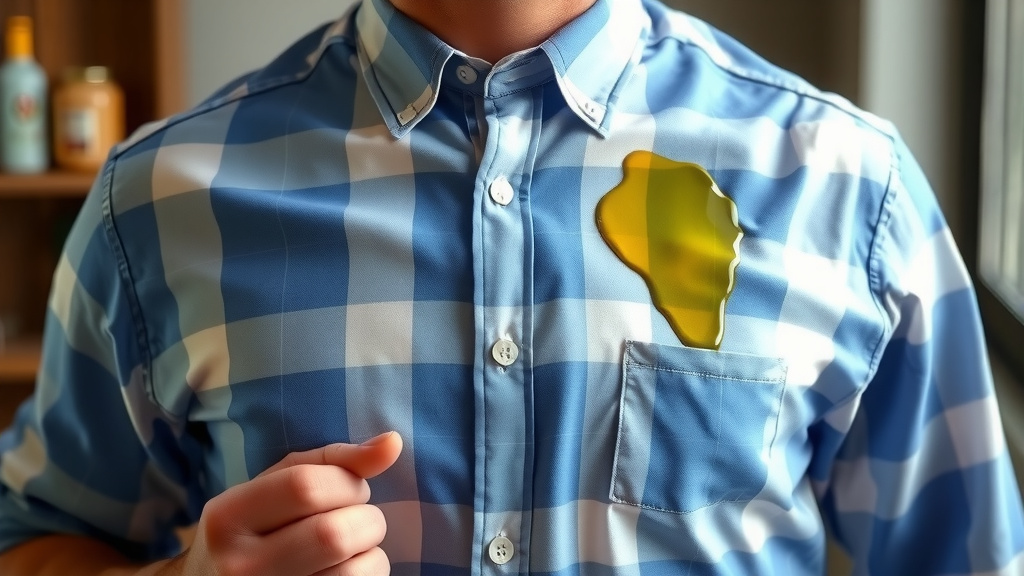
Step-by-Step Guide to Removing Olive Oil Stains
Now, let’s get down to business. Follow these steps carefully, and you’ll have your shirt looking clean again in no time. We’ve broken it down into easy-to-manage actions.
Step 1: Blotting the Excess Oil
First things first, grab a paper towel or a clean, dry cloth. Gently blot the stained area. The goal here is to soak up as much of the surface oil as possible. Do not rub! Rubbing will push the oil deeper into the fabric and make the stain spread. Many experts recommend this blotting technique for any fresh liquid spill. It’s a simple but vital first move.
Step 2: Applying a Degreasing Agent
This is where the magic happens. Reach for your bottle of liquid dish soap. Many dish soaps are formulated to cut through grease on dishes, and they work wonders on fabric, too. Apply a generous amount of dish soap directly onto the olive oil stain. Make sure to cover the entire spot. You want the soap to work its way into the fibers. We found that a few drops are usually enough.
Working the Soap In (Gently!)
Using your fingertips or a soft brush (like an old toothbrush), gently work the dish soap into the stain. Again, avoid harsh scrubbing. A gentle circular motion is best. This helps the soap break down the oil molecules. Many sources suggest letting the soap sit for about 5-10 minutes to do its work.
Step 3: Adding an Absorbent Powder (Optional but Recommended)
For stubborn or larger stains, adding a powder like baking soda or cornstarch can be a game-changer. After applying the dish soap, sprinkle a good amount of baking soda or cornstarch over the soapy area. These powders are highly absorbent. They help draw out the oil from the fabric. Let this mixture sit for another 15-30 minutes. You might even see the powder change color as it absorbs the oil. We found this step significantly boosted stain removal results.
Removing the Powder
Once the powder has had time to work, gently brush off the excess baking soda or cornstarch. You can use a dry cloth or a soft brush. Most of it should come away easily, taking some of the absorbed oil with it.
Step 4: Rinsing and Pre-Washing
Before putting the shirt in the washing machine, it’s a good idea to rinse the treated area. Use cool water to rinse away the dish soap and any loose powder. You can do this under the tap. This initial rinse helps remove loosened oil. Then, you can apply a bit more dish soap if the stain still looks prominent.
Step 5: Washing the Shirt
Now it’s time for the washing machine. Wash the shirt as you normally would, using your regular laundry detergent. However, we recommend using the warmest water setting that is safe for the fabric. Hot water can sometimes set oil stains, so check the garment’s care label. Many laundry experts suggest using a good quality detergent that’s known for its stain-fighting abilities.
Step 6: The Crucial Check Before Drying
This is arguably the most important step. After the wash cycle is complete, do not put the shirt in the dryer unless you are absolutely sure the stain is gone. Heat from the dryer will permanently set any remaining oil. Carefully inspect the stained area in good light. If you can still see any trace of the stain, repeat the treatment process from Step 2. You might need to repeat it a couple of times for tough stains. Checking before drying is a tip many seasoned launderers swear by.
What If the Stain Persists? Extra Tips and Tricks
Sometimes, olive oil stains can be stubborn, especially if they’ve been sitting for a while or if the fabric is delicate. Don’t give up just yet! There are a few other options you can try.
Trying a Commercial Stain Remover
If dish soap and powder aren’t cutting it, consider using a commercial laundry stain remover specifically designed for grease or oil. Follow the product’s instructions carefully. We found that these can be very effective when pre-applied to the stain before washing.
Consider the Fabric Type
Some fabrics are more sensitive than others. For delicate materials like silk or wool, it’s always best to test any cleaning solution on an inconspicuous area first. You might need to take these items to a professional dry cleaner. Always check the garment’s care label for specific washing instructions. For example, denim can usually handle more vigorous treatment than a fine knit.
A Quick Checklist for Success
To help you remember the key points, here’s a handy checklist:
- Blot, don’t rub, the fresh stain.
- Apply liquid dish soap generously.
- Gently work the soap into the fabric.
- Let the soap (and optional powder) sit.
- Wash in the warmest water safe for the fabric.
- ALWAYS check for the stain before drying.
By following these straightforward steps, you can effectively remove olive oil stains from your shirts. Remember, the key ingredients are patience, the right materials, and avoiding the dryer until the stain is completely gone!
Conclusion
You’ve got this! Removing olive oil stains from your shirts is definitely achievable with these straightforward steps. Remember, the key is to blot first, then use a grease-cutting dish soap, and always, always check the stain before drying. We’ve found that these methods consistently work by breaking down the oil without damaging your fabric. So next time that inevitable drip happens, don’t stress. Just grab your dish soap and follow these tips. Your favorite shirt can be saved, and you’ll be confident in tackling those oily messes!
Frequently Asked Questions
Can I use regular laundry detergent on an olive oil stain?
While regular laundry detergent helps, it’s often not enough on its own for olive oil. Dish soap is formulated to break down grease much more effectively. We recommend treating the stain with dish soap first before washing with your regular detergent.
What if the olive oil stain is old and set in?
Older stains are tougher, but not impossible. For set-in stains, you might need to repeat the dish soap treatment multiple times. Letting the dish soap or a commercial stain remover sit for longer can also help break down the aged oil.
Is it safe to use baking soda or cornstarch on all fabrics?
Generally, yes, baking soda and cornstarch are safe for most common fabrics. However, for very delicate materials like silk or certain synthetics, it’s always wise to test on an inconspicuous area first to be sure. We found they work best on cotton and blends.
Will hot water remove olive oil stains better?
Not always. While hot water can be good for some stains, it can actually set an olive oil stain permanently into the fabric. We’ve found that using the warmest water setting that is safe for the garment’s care label is the best bet. Check that label before washing!
How can I prevent olive oil stains in the future?
Wearing an apron while cooking or enjoying oily foods is the simplest preventive measure. If you do spill, acting immediately by blotting the stain can make a huge difference, preventing it from becoming a stubborn mark later on.