How Is Olive Oil Used in Cooking?
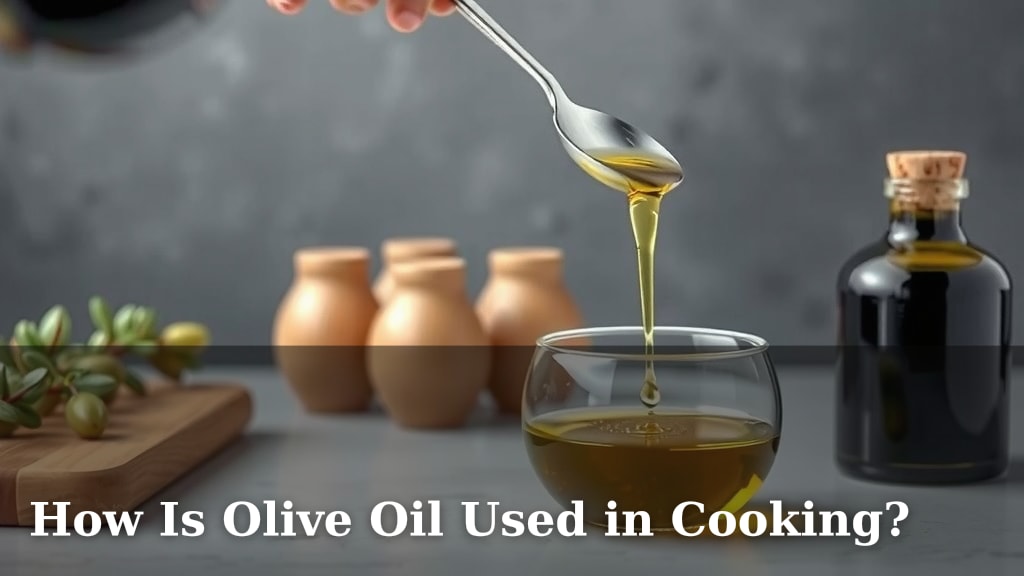
Olive oil is incredibly versatile in cooking, used for everything from sautéing and roasting to dressing salads and finishing dishes. Its rich flavor and healthy fats make it a kitchen staple for many home cooks. You can also use it to make delicious sauces and marinades.
Beyond its culinary uses, olive oil offers a wealth of health benefits. It’s packed with antioxidants and healthy monounsaturated fats, which many experts say can support heart health. Using olive oil can really enhance the flavor and nutritional profile of your meals.
- It’s great for cooking at medium-high heat.
- Use it raw in dressings and dips.
- It adds flavor to baked goods.
- Choose the right type for the job.
Ready to see how you can make the most of your olive oil in the kitchen? Let’s break down the many delicious ways you can use it.
Exploring Olive Oil’s Many Uses in Your Kitchen
Olive oil is a true kitchen hero. You can use it for so many things. It adds flavor and healthy fats to your favorite dishes. Let’s dive into how you can use it every day.
The Magic of Olive Oil for Cooking Methods
Sautéing and Pan-Frying: A Perfect Match
When you’re sautéing vegetables or pan-frying chicken, olive oil is a go-to choice. Its smoke point is generally higher than many other oils. This means it can handle medium-high heat without burning. You’ll get a beautiful sear on your food. It also adds a subtle, fruity note.
For sautéing, extra virgin olive oil (EVOO) is often used. But if you’re cooking at higher temperatures, a lighter olive oil or pure olive oil might be better. These have a higher smoke point. Research shows that monounsaturated fats, common in olive oil, are stable at these temperatures (Harvard Health Publishing).
Roasting and Baking: Adding Moisture and Flavor
Roasting vegetables or meats with olive oil is fantastic. Drizzle it over your ingredients before they go into the oven. It helps them brown nicely. It also keeps them from drying out. Think of roasted potatoes or Brussels sprouts. They get wonderfully crispy edges.
In baking, olive oil can replace butter or other oils. It adds a lovely moisture to cakes, muffins, and breads. A fruity EVOO can even add an interesting flavor dimension. Many bakers find it creates a tender crumb. This is especially true in quick breads and denser cakes. You might find your baked goods stay moist longer.
Grilling: Infusing Flavor
Brush olive oil onto your grill grates. This prevents food from sticking. You can also toss vegetables or meats in olive oil before grilling. It helps create those delicious char marks. Plus, it infuses everything with a wonderful flavor.
Olive Oil as a Raw Ingredient: Dressings, Dips, and Marinades
Vibrant Salad Dressings
This is where extra virgin olive oil truly shines. Its fresh, peppery flavor is perfect for dressings. Whisk it with vinegar, lemon juice, herbs, and spices. You can create endless variations. A simple vinaigrette is just olive oil and acid. Many guidelines suggest a 3:1 ratio of oil to acid.
Flavorful Dips and Spreads
Olive oil is a key ingredient in many dips. Think of hummus or baba ghanoush. It adds richness and smooth texture. You can also swirl a bit of good quality EVOO on top of soups or pasta dishes. It finishes them beautifully.
Tenderizing Marinades
When you marinate meats, fish, or tofu, olive oil is a great base. It helps to distribute other marinade ingredients. These include herbs, garlic, and citrus. The oil coats the food. This helps tenderize it and lock in moisture during cooking. It’s a simple way to add a lot of flavor.
Choosing the Right Olive Oil for Your Needs
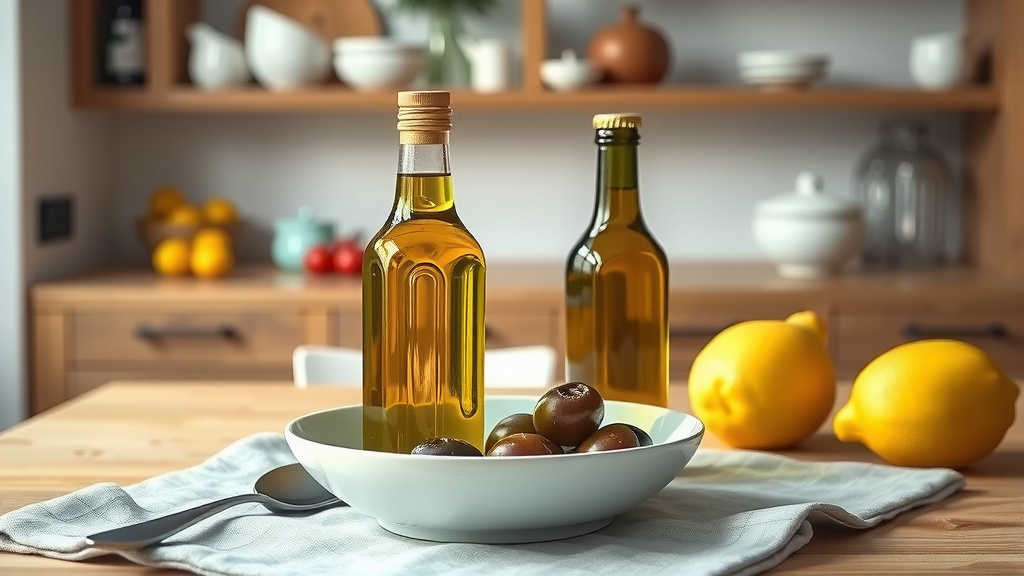
Not all olive oils are created equal. The type you choose can impact your cooking. It’s good to know the differences.
| Type of Olive Oil | Best Uses | Flavor Profile |
|---|---|---|
| Extra Virgin Olive Oil (EVOO) | Dressings, dips, finishing, light sautéing | Fruity, peppery, grassy |
| Virgin Olive Oil | Sautéing, roasting, baking | Milder than EVOO, slightly fruity |
| Pure Olive Oil (or just “Olive Oil”) | High-heat cooking, frying, baking | Neutral, very mild |
| Light Olive Oil | General cooking, baking, frying | Very neutral flavor, light color |
We found that using EVOO for raw applications really highlights its quality. For cooking, especially at higher heat, pure or light olive oil can be more practical. This helps preserve the delicate flavors of EVOO for when they matter most.
Quick Tips for Using Olive Oil
Here are a few more pointers to help you make the most of your olive oil:
- Store it properly: Keep your olive oil in a cool, dark place. Avoid heat and light to prevent spoilage.
- Taste it: Don’t be afraid to taste your olive oil. Understanding its flavor will guide your cooking choices.
- Don’t overheat: Even with higher smoke points, avoid smoking your oil. This can create bitter flavors.
- Experiment: Try different types of olive oil. See how they change your dishes.
- Consider blends: Some olive oils are blends from different regions. They can offer unique taste profiles.
Conclusion
You’ve seen how incredibly versatile olive oil is in your kitchen. From high-heat sautéing and roasting to adding fresh flavor in dressings and marinades, it truly does it all. Understanding the different types of olive oil helps you choose the best one for each task. This means you can consistently create delicious and healthy meals. So, grab your favorite bottle and start experimenting with these fantastic uses today!
Frequently Asked Questions
Can I use extra virgin olive oil for high-heat cooking like frying?
While extra virgin olive oil (EVOO) has a lower smoke point than other olive oils, research suggests it can handle medium-high heat for sautéing. For deep frying or very high-heat applications, a pure or light olive oil with a higher smoke point is generally recommended to prevent burning and bitter flavors.
How can olive oil make my baked goods better?
Olive oil adds moisture and tenderness to cakes, muffins, and breads. We found that it can also impart a subtle fruity note, especially when using a good quality EVOO. This can result in baked goods that stay moist for longer periods.
What’s the best way to store olive oil to keep it fresh?
To maintain freshness, you should store your olive oil in a cool, dark place, away from direct sunlight and heat. Keeping it in its original dark glass bottle or an opaque container helps protect it from light spoilage.
Is it okay to eat olive oil that has been heated multiple times?
It’s generally best to avoid reheating olive oil multiple times, especially if it has been heated to its smoke point. Repeated heating can degrade the oil, potentially forming unhealthy compounds and affecting its flavor negatively.
How do I know if my olive oil has gone bad?
You’ll know your olive oil has gone bad if it develops a rancid or unpleasant smell, often described as waxy or crayon-like. It might also taste bitter or have a duller flavor than usual. If you notice these signs, it’s time to replace it.

![7 Best Infused Olive Oil Flavors [2026]](https://bestpureessentialoils.com/wp-content/uploads/2026/08/7-best-infused-olive-oil-flavors-2026-featured-768x432.jpg)
![7 Best Olive Oil At Wegmans [2026]](https://bestpureessentialoils.com/wp-content/uploads/2026/09/7-best-olive-oil-at-wegmans-2026-featured-768x432.jpg)
![7 Best Italian Olive Oil [2026]](https://bestpureessentialoils.com/wp-content/uploads/2026/07/7-best-italian-olive-oil-2026-featured-768x432.jpg)