
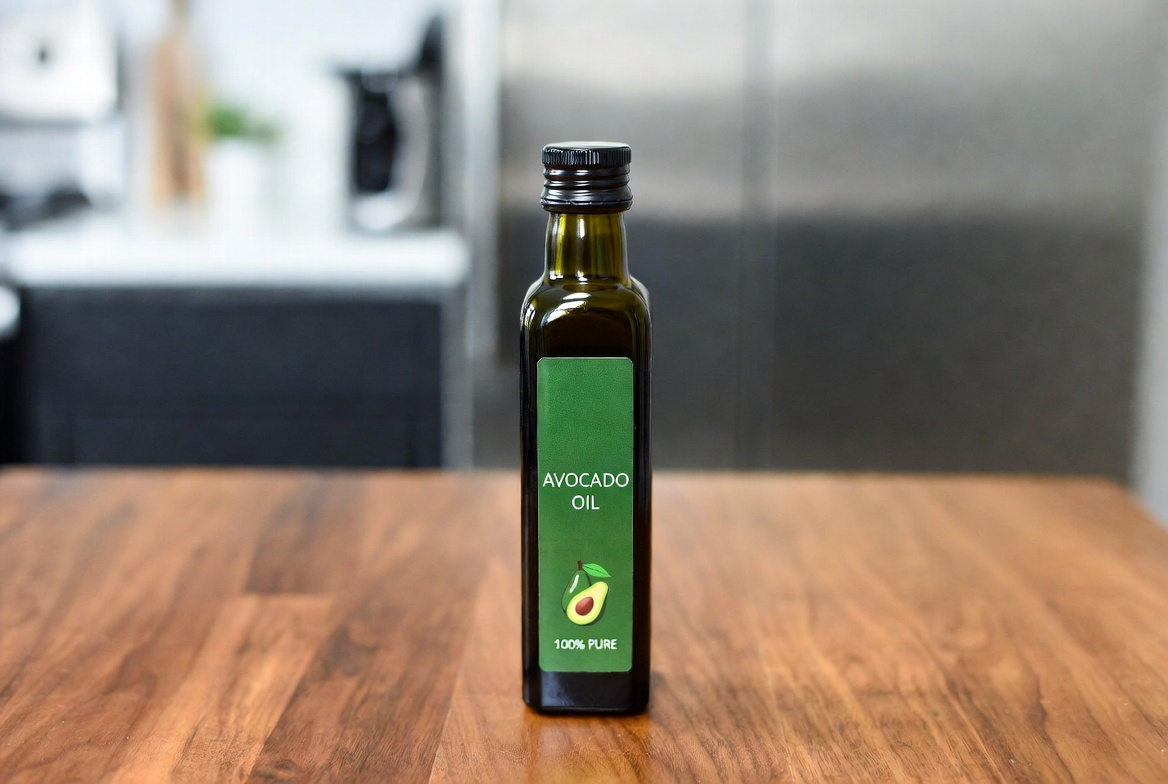
Avocado Oil Spray vs Olive Oil Spray: A Head-to-Head Comparison
When you’re standing in the cooking oil aisle at your grocery store, faced with rows of shiny bottles and spray cans, you might find yourself wondering which oil spray actually deserves a spot in your kitchen. I’ve been there too—overwhelmed by choices and unsure which one would make my meals taste better and keep my food healthier. Today, I want to walk you through everything you need to know about avocado oil spray versus olive oil spray so you can make an informed decision that works for your cooking style and dietary needs.
Understanding Oil Sprays: Why They Matter in Your Kitchen
Let me start by explaining what makes oil sprays so useful in the first place. Oil sprays are essentially just cooking oils that have been pressurized in a can with a propellant, allowing you to apply a thin, even coating to your pans, baking sheets, or food. Think of them as the convenience-focused cousins of pouring oil straight from the bottle. They give you precision without the mess, and they help you control exactly how much oil you’re using.
The beauty of oil sprays lies in their ability to reduce the amount of oil you use in cooking. Instead of pouring a generous glug into your pan—which might be more than you actually need—you can give it a quick spritz and achieve even coverage. This matters whether you’re watching your calorie intake, managing your fat consumption, or simply trying to be more intentional about your cooking.
Avocado Oil Spray: The New Kid on the Block
Avocado oil spray has gained tremendous popularity over the past decade, and for good reason. It’s extracted from the creamy flesh of avocados, making it a relatively modern addition to most kitchens. If you’ve ever considered avocado oil but found the bottle intimidating or messy to work with, the spray version solves that problem perfectly.
Smoke Point: Where Avocado Oil Truly Shines
One of the most important characteristics of any cooking oil is its smoke point—the temperature at which the oil begins to break down and smoke. Avocado oil spray has an exceptionally high smoke point of around 500 degrees Fahrenheit. This makes it incredibly versatile for various cooking methods. Whether you’re searing a steak at high heat, stir-frying vegetables, roasting potatoes in the oven, or even making crispy air-fryer meals, avocado oil spray can handle the heat without degrading or releasing unpleasant compounds.
Compare this to many other oils, and you’ll see why chefs and home cooks are increasingly reaching for avocado oil. High-heat cooking is where avocado oil truly excels, and the spray format makes it even more convenient.
Nutritional Profile of Avocado Oil Spray
Avocado oil is rich in monounsaturated fats, which are the same heart-healthy fats found in whole avocados. It also contains vitamin E, a powerful antioxidant that supports skin health and immune function. When you use avocado oil spray, you’re getting these same nutrients, just in a more controlled portion.
- Monounsaturated fats help reduce bad cholesterol levels
- High in oleic acid, which supports cardiovascular health
- Contains lutein, beneficial for eye health
- Provides vitamin E for antioxidant protection
Flavor Profile and Cooking Applications
Here’s where avocado oil spray gets interesting. Unlike its source ingredient, avocado oil spray has a relatively neutral flavor. You won’t detect a strong avocado taste in your food, which makes it incredibly adaptable to different cuisines and dishes. This neutrality is actually an advantage because it lets other flavors shine without interference.
I particularly love using avocado oil spray for:
- High-heat pan-searing and grilling
- Roasting vegetables until they’re crispy and caramelized
- Air-frying foods for a healthier take on fried dishes
- Baking when recipes call for oil
- Coating cast iron pans for optimal seasoning
Olive Oil Spray: The Time-Honored Classic
Olive oil has been a staple in kitchens for thousands of years, particularly in Mediterranean cuisines. Olive oil spray brings this traditional favorite into the modern age with convenient, mess-free application. But here’s the thing—not all olive oils are created equal, and that matters when you’re choosing a spray.
Understanding Smoke Point Limitations
This is where olive oil spray requires a bit more nuance. Extra virgin olive oil spray has a lower smoke point, typically around 375 degrees Fahrenheit. This means it’s not ideal for high-heat cooking like searing or deep frying. Regular olive oil, on the other hand, has been refined and has a smoke point closer to 465 degrees, making it more suitable for moderate to moderately-high heat cooking.
The confusion arises because many people assume all olive oil sprays perform the same way. They don’t. If you’re buying extra virgin olive oil spray and trying to use it for high-heat cooking, you’re actually compromising both the flavor and the nutritional value of the oil. It’s like buying premium ingredients and using them incorrectly—such a waste.
The Rich Nutritional Benefits
Extra virgin olive oil, particularly when sourced from quality producers, contains remarkable polyphenols and antioxidants. These compounds are associated with numerous health benefits, from reducing inflammation to supporting heart health. Research has consistently shown that people who consume olive oil regularly tend to have better cardiovascular health markers.
- Polyphenols with anti-inflammatory properties
- Oleic acid for heart health
- Antioxidants that may reduce disease risk
- Linked to improved cholesterol profiles
- May support brain health and cognitive function
Distinctive Flavor and Best Uses
This is where olive oil spray really stands out in my opinion. It carries a distinctive flavor—fruity, slightly peppery, sometimes grassy—that adds character to your dishes. This is wonderful for some applications and completely wrong for others.
Olive oil spray shines in these situations:
- Drizzling over finished soups and stews
- Tossing with salads and fresh vegetables
- Finishing grilled fish and meats
- Making Mediterranean-inspired dishes
- Low to moderate heat sautéing
- Dipping bread
Direct Comparison: Which One Wins?
So here’s the real question: which one should you actually buy? The honest answer is that it depends on what you cook most often and what matters most to you.
Heat Tolerance and High-Temperature Cooking
If you frequently cook at high temperatures—whether that’s pan-searing steaks, stir-frying, or using an air fryer—avocado oil spray is the clear winner. Its superior smoke point means you can use it without worrying about degradation or the release of harmful compounds. Olive oil spray, especially extra virgin varieties, simply can’t compete in this arena.
Flavor Considerations
Want a bold, distinctive taste that defines your dish? Olive oil spray is your friend. Prefer a neutral backdrop that lets other ingredients shine? Avocado oil spray takes the prize. Neither is objectively better—it depends entirely on what you’re cooking and the flavor profile you’re aiming for.
Nutritional Edge
Both oils offer genuine health benefits, but they’re different. Avocado oil provides monounsaturated fats and maintains its stability at high temperatures, preserving those nutrients. Olive oil offers a broader spectrum of polyphenols and antioxidants, particularly when it’s extra virgin and minimally processed. For pure nutritional density, extra virgin olive oil has a slight edge, but avocado oil’s superior heat stability means those nutrients remain intact during cooking.
Cost Analysis
Let’s talk money. Avocado oil spray typically costs more per ounce than olive oil spray. However, you often need less of it due to its superior coverage and the fact that you’re not paying for flavor you might not use. Olive oil spray can be more budget-friendly, especially if you buy mid-range versions rather than premium extra virgin options.
Health Considerations: What the Research Says
I want to be clear about something important: both of these oils are legitimate healthy choices. The Mediterranean diet, which emphasizes olive oil, has decades of research supporting its health benefits. But emerging research on avocado oil is equally promising, particularly for people who do a lot of high-heat cooking and want to maintain oil stability.
The key insight from nutritional science is that the healthiest oil is the one you’ll actually use consistently and use correctly. There’s no point in buying premium extra virgin olive oil and then heating it to a temperature that destroys its beneficial compounds. Similarly, there’s no advantage to using avocado oil for cold applications where its heat stability doesn’t matter.
Practical Tips for Using Oil Sprays Effectively
Storage and Shelf Life
Both oil sprays benefit from proper storage. Keep them in a cool, dark place away from direct sunlight and heat. A kitchen cabinet, rather than above your stove, is ideal. Stored properly, both can last up to a year, though avocado oil spray might have a slightly longer shelf life due to its higher antioxidant content.
Maximizing Coverage and Minimizing Waste
The trick to getting the most from your oil spray is to use short bursts rather than long sprays. Hold the can about six inches from your surface and give quick, even sprays from different angles. This prevents over-application and ensures you’re using the minimal amount necessary to prevent sticking.
Application Timing
For best results with avocado oil spray on hot cooking surfaces, spray just before adding food. For olive oil spray, especially extra virgin varieties, it’s often better applied after cooking or at the end of cooking to preserve flavor and beneficial compounds.
Making Your Choice: A Decision Framework
Let me give you a practical way to think about this decision:
Choose avocado oil spray if:
- You regularly cook at high temperatures
- You love air frying and grilling
- You want a neutral-flavored oil that doesn’t interfere with other tastes
- You’re comfortable paying a premium for versatility
- You want maximum heat stability
Choose olive oil spray if:
- You appreciate distinctive, flavorful oils in your cooking
- You primarily cook at low to moderate temperatures
- You value the polyphenols and traditional health benefits
- You’re watching your budget
- You cook Mediterranean or Italian-inspired dishes regularly
Can You Use Both? Absolutely
Here’s my honest recommendation: if your budget allows, having both on hand is the smartest approach. Use avocado oil spray for your high-heat cooking needs, and keep olive oil spray for finishing touches and lower-temperature cooking. Many professional chefs do exactly this. It’s not about choosing one over the other—it’s about using each one where it excels.
Think of it like having both a hammer and a screwdriver in your toolbox. Neither is universally superior; each serves its purpose better than the other in specific situations.
The Bottom Line on Oil Spray Selection
After examining both options from every angle—smoke point, nutrition, flavor, cost, and practical application—there’s no universal winner. What matters is matching the oil to your cooking style and needs.
Avocado oil spray wins on versatility and heat tolerance. Olive oil spray wins on traditional health benefits and flavor. Both are significantly better for portion control than pouring oil directly from a bottle. Both are healthier choices than butter or vegetable shortening for most applications.
The most important thing is that you choose an option you’ll actually use, store properly, and apply correctly. An oil spray sitting unused in your cabinet provides zero benefit, no matter how superior it is in theory.
Conclusion
Choosing between avocado oil spray and olive oil spray doesn’t have to be an either-or decision. Each brings distinct advantages to your kitchen. Avocado oil spray offers a higher smoke point and neutral flavor that makes it ideal for high-heat cooking and air frying, making it the better choice if you frequently cook at elevated temperatures. Olive oil spray brings centuries of culinary tradition plus potent polyphenols and antioxidants, making it perfect for finishing dishes and low to moderate heat cooking.
The best choice depends entirely on your cooking habits, flavor preferences, and budget. If you want my recommendation? Start with whichever cooking method you use most frequently, then consider adding the other to your collection once you see the benefits. Your kitchen will be more versatile, your cooking will improve, and you’ll wonder how you ever managed without proper oil spray options. Both are excellent additions to any home kitchen, and using either one correctly is far more important than debating which is theoretically superior.
Frequently Asked Questions
Can I substitute avocado oil spray for olive oil spray in recipes?
Generally yes, though you’ll lose the distinctive olive oil flavor. Avocado oil spray works as a direct substitute in terms of cooking, especially for high-heat applications where olive oil might not be suitable. However, if the recipe relies on olive oil’s characteristic taste—like a vinaigrette or Mediterranean dish—substitution might affect the final result. For baking and high-heat cooking, they’re interchangeable.
Is one oil spray healthier than the other?
Both are healthy options, just in different ways. Extra virgin olive oil spray contains higher levels of polyphenols and antioxidants, while avocado oil spray provides stable monounsaturated fats that withstand heat better. For overall health, research supports both. The healthiest choice is the one you’ll use correctly and consistently. If you heat olive oil beyond its smoke point, it becomes less healthy, while avocado oil maintains its stability and benefits even at high temperatures.
Why is avocado oil spray more expensive?
Avocado production requires specific climate conditions, and the oil extraction process is more complex than olive oil production. Additionally, avocado oil is a newer product in most markets with less established infrastructure, which drives up costs. As demand increases and production scales, prices will likely decrease. Currently, the premium price reflects both production costs and market positioning.
Can I make my own oil spray at home?
You can pour oil into a spray bottle, though it won’t be as fine or even as commercial oil sprays due to the lack of pressurization. Commercial sprays use propellants that create a mist, while homemade versions typically create larger droplets. If you do make your own, store it in the refrigerator and use it quickly, as it can go rancid faster than bottled versions. Commercial oil sprays are worth the investment for consistency and shelf life.
How often should I replace my oil spray bottle?
Most oil sprays last 12-18 months when stored properly in a cool, dark place. Check the expiration date on your bottle—it’s a reliable indicator. Once opened, try to use the bottle within a year for best quality. If your oil smells rancid or tastes off, it’s time to replace it

![7 Best Frying Olive Oil [2026]](https://bestpureessentialoils.com/wp-content/uploads/2026/08/7-best-frying-olive-oil-2026-featured-768x432.jpg)

![7 Best Extra Virgin Olive Oil For Health And Weight Loss [2026]](https://bestpureessentialoils.com/wp-content/uploads/2026/08/7-best-extra-virgin-olive-oil-for-health-and-weight-loss-2026-featured-768x432.jpg)