Avocado Oil vs. EVOO: Top Health Benefits Compared
When comparing avocado oil and extra virgin olive oil for health benefits, avocado oil offers a higher smoke point and more monounsaturated fats. This means avocado oil is often better for high-heat cooking. Both oils are packed with healthy fats and antioxidants. Choosing between them depends on your cooking method and specific health goals.
Both oils are wonderful additions to a healthy diet. They can help support heart health and reduce inflammation. Extra virgin olive oil, in particular, is celebrated for its high antioxidant content. Research shows that incorporating these healthy fats can make a real difference. We found that understanding their unique properties helps you make the best choice for your meals.
- Avocado oil has a higher smoke point, making it great for frying.
- Extra virgin olive oil is rich in antioxidants, ideal for dressings.
- Both oils are excellent sources of monounsaturated fats.
- These fats are linked to better heart health.
Let’s dive into the specific health perks and cooking uses of each. We’ll help you decide which healthy oil is the best fit for your kitchen pantry.
Understanding the Health Benefits of Avocado and Olive Oils
Choosing the right cooking oil can feel like a big decision for your health. You want something that tastes good and does good things for your body. Many people wonder about avocado oil versus extra virgin olive oil. We’ve looked into what makes each one special for your diet and well-being.
Both oils are nutritional powerhouses. They are loaded with healthy fats that your body needs. Research consistently shows that these fats can help manage cholesterol levels. They also play a role in reducing inflammation throughout your body. Let’s break down what each oil brings to the table.
Avocado Oil: The High-Heat Hero
Have you ever worried about your cooking oil smoking up your kitchen? Avocado oil is your friend here. It can handle higher temperatures than many other oils.
What Makes Avocado Oil Stand Out?
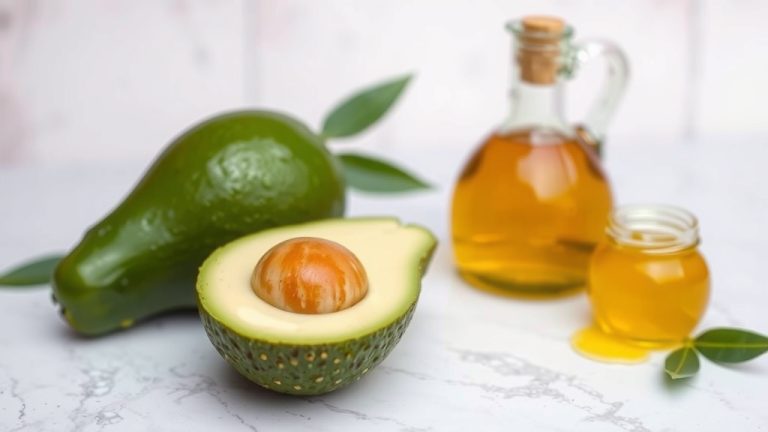
Avocado oil comes from the flesh of the avocado fruit. It’s known for its creamy texture and mild flavor. This makes it very versatile in the kitchen. We found that its high smoke point is a major advantage for certain cooking methods.
Smoke Point and Cooking Versatility
The smoke point is the temperature at which an oil starts to burn and break down. Avocado oil typically has a smoke point around 520°F (271°C). This is much higher than extra virgin olive oil. What does this mean for you? It means you can use avocado oil for searing steaks, stir-frying vegetables, or roasting meats without it degrading.
When oil smokes, it can release harmful compounds. Using an oil with a high smoke point helps keep your food healthier. Many experts agree that a higher smoke point oil is better for high-heat cooking (Cleveland Clinic).
Nutritional Profile of Avocado Oil
Like olive oil, avocado oil is rich in monounsaturated fats. These are often called “good fats.” They can help improve your heart health. Avocado oil contains about 70% monounsaturated fat. It also has some polyunsaturated fats and a small amount of saturated fat.
Beyond fats, avocado oil contains vitamin E. Vitamin E is an antioxidant that helps protect your cells from damage. You’ll also find other beneficial compounds like lutein. Lutein is good for your eye health.
Extra Virgin Olive Oil: The Antioxidant All-Star
Extra virgin olive oil (EVOO) is often called the gold standard for healthy oils. It’s pressed from olives and has a distinct, often fruity, flavor. It’s a staple in Mediterranean diets.
The Unique Qualities of EVOO
The “extra virgin” label means the oil is unrefined. It’s made using only mechanical or physical means. This preserves its natural flavor, aroma, and nutritional content. Many studies have highlighted its health benefits.
Antioxidants and Anti-Inflammatory Power
EVOO is famous for its high content of antioxidants. These compounds fight free radicals in your body. Free radicals can cause cell damage and contribute to aging and disease. The main antioxidants in EVOO are polyphenols.
Polyphenols are also known for their anti-inflammatory properties. Chronic inflammation is linked to many serious health issues, including heart disease and cancer. Research from sources like the National Institutes of Health (NIH) often points to EVOO as a key component in reducing inflammation.
Monounsaturated Fats in EVOO
EVOO is also a great source of monounsaturated fats, primarily oleic acid. This is the same type of fat found in avocados. Oleic acid is linked to reduced risk of heart disease. It can help lower bad cholesterol (LDL) and raise good cholesterol (HDL).
While its exact smoke point can vary, it’s generally lower than avocado oil, often around 375°F (190°C) for a good quality EVOO. This means it’s best used for low-to-medium heat cooking, salad dressings, or finishing dishes.
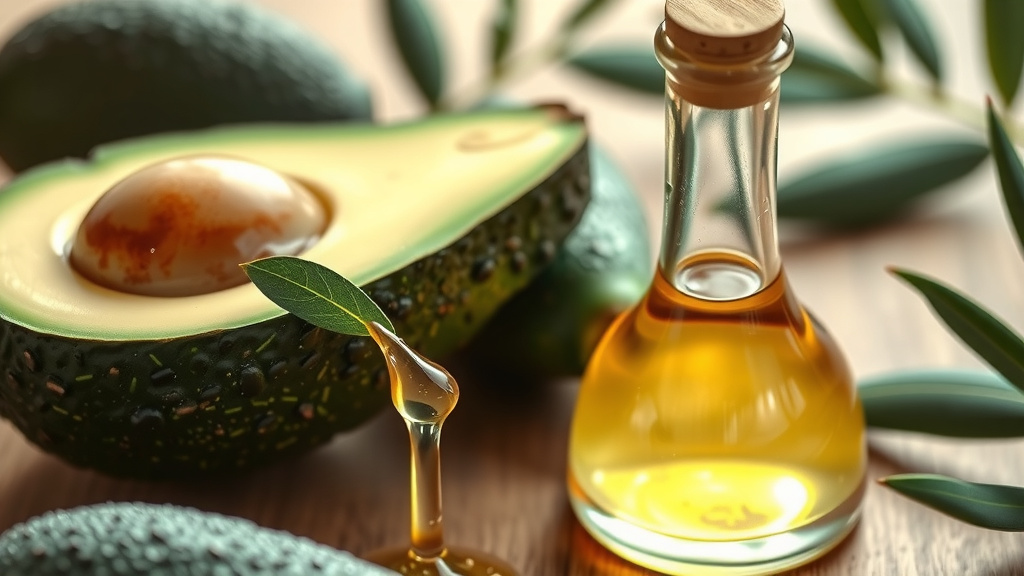
Avocado Oil vs. Extra Virgin Olive Oil: A Quick Comparison
To help you decide, let’s look at a side-by-side comparison. We’ve gathered the key points for your convenience.
| Feature | Avocado Oil | Extra Virgin Olive Oil |
|---|---|---|
| Smoke Point | High (~520°F / 271°C) | Medium (~375°F / 190°C) |
| Primary Fat Type | Monounsaturated | Monounsaturated |
| Key Nutrients/Compounds | Vitamin E, Lutein | Polyphenols (antioxidants), Vitamin E |
| Flavor Profile | Mild, buttery | Fruity, peppery, grassy |
| Best Uses | High-heat cooking, frying, roasting | Salad dressings, baking, sautéing, finishing |
Which Oil Is Right for Your Kitchen?
So, which one should you reach for? It really depends on what you’re cooking and what you hope to gain.
For High-Heat Cooking: Choose Avocado Oil
If you’re planning on frying, searing, or doing a lot of high-heat roasting, avocado oil is the safer, healthier bet. Its high smoke point means it can withstand the heat without breaking down into unhealthy compounds. You’ll get a clean, neutral flavor that won’t overpower your food.
For Dressings and Flavor: Choose Extra Virgin Olive Oil
For salads, dips, drizzling over finished dishes, or low-heat sautéing, extra virgin olive oil shines. Its robust flavor adds depth and richness. Plus, you get a fantastic dose of those powerful polyphenols.
We found that many health guidelines, like those from the American Heart Association, often recommend both types of oils. They highlight their role in a heart-healthy diet.
Making Healthy Choices for Your Pantry
Incorporating both avocado oil and extra virgin olive oil into your diet can be a fantastic strategy. You can use them for different purposes to get the most benefit.
Your Healthy Oil Checklist:
- Keep avocado oil handy for all your high-heat cooking needs.
- Use EVOO for dressings, marinades, and low-heat sautéing.
- Store both oils in a cool, dark place to maintain freshness.
- Read labels to ensure you’re buying quality, unrefined oils.
- Don’t be afraid to experiment with both in your recipes.
- Consider both as part of your overall balanced diet.
By understanding their unique strengths, you can make informed choices that support your health goals. It’s all about using the right tool for the right job in your kitchen!
Conclusion
You’ve learned that both avocado oil and extra virgin olive oil are fantastic choices for your health. Avocado oil shines for high-heat cooking with its impressive smoke point. Extra virgin olive oil is your go-to for flavor and antioxidants, perfect for dressings and finishing dishes. Both are rich in heart-healthy monounsaturated fats. By using each oil for its strengths, you can easily boost your meals with beneficial nutrients. Start by identifying one dish this week where you can swap in the oil best suited for it!
Frequently Asked Questions
Can I use avocado oil instead of olive oil for everything?
While avocado oil is versatile, it’s best used for high-heat cooking due to its higher smoke point. Extra virgin olive oil offers a distinct flavor and powerful antioxidants that are ideal for dressings and low-heat applications.
Is extra virgin olive oil really that much healthier than avocado oil?
Both oils are incredibly healthy, offering monounsaturated fats. Extra virgin olive oil stands out for its higher concentration of polyphenols, which are potent antioxidants. Avocado oil provides vitamin E and lutein, and its stability at high heat is a key health benefit for certain cooking methods.
What is the best oil for salad dressing?
Extra virgin olive oil is generally considered the best for salad dressings. Its robust flavor adds depth, and its antioxidant content is well-preserved in uncooked applications.
Can I use avocado oil for baking?
Yes, avocado oil is a great choice for baking. Its mild flavor won’t compete with other ingredients, and its stability at higher temperatures ensures consistent results, especially in recipes that require baking at moderate to high heat.
Are there any downsides to using avocado oil or extra virgin olive oil?
The main consideration is their smoke points; using olive oil for high-heat cooking can degrade its beneficial compounds. For avocado oil, its mild flavor might not be ideal for recipes where a strong, fruity oil is desired.