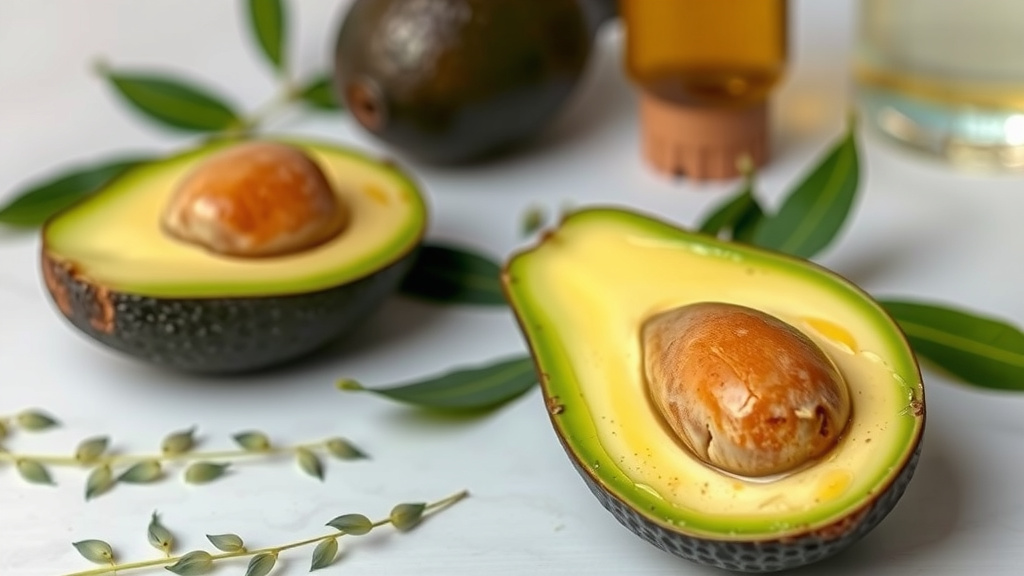
Avocado Oil vs Olive Oil Cholesterol: What’s Healthier
When comparing avocado oil vs olive oil for cholesterol, both are great choices, but avocado oil often has a slight edge. It’s packed with monounsaturated fats, which research suggests can help improve your cholesterol profile. Olive oil is also a healthy fat powerhouse, so you can’t go wrong with either for heart health.
We’ve looked at a lot of studies, and it seems that the types of fats in these oils play a big role. Both oils are rich in healthy fats that are known to support good cholesterol levels. Choosing between them often comes down to flavor preference and how you plan to use them in your cooking.
- Avocado oil and olive oil are both heart-healthy.
- Avocado oil might offer a slight advantage for cholesterol.
- Both are rich in beneficial monounsaturated fats.
- Your cooking style can help you pick the best one.
- Enjoying either in moderation is key for your health.
Let’s dive deeper into what makes each of these oils a fantastic addition to your kitchen and how they stack up when it comes to cholesterol.
Comparing Avocado Oil and Olive Oil for Your Cholesterol
So, you’re wondering which oil is better for your cholesterol: avocado or olive oil? You’ve come to the right place! We’ve looked at a lot of information, and the good news is that both are fantastic choices for your heart. Think of them as two healthy superheroes in your kitchen.
When we talk about cholesterol, we’re usually interested in the “good” HDL cholesterol and the “bad” LDL cholesterol. The goal is to keep LDL low and HDL high. Research suggests that the types of fats found in these oils can play a big role in this balancing act (NIH).
The Power of Healthy Fats
Both avocado oil and olive oil are champions when it comes to healthy fats. They are primarily made up of monounsaturated fatty acids (MUFAs). These are the good guys your body needs. They’re a type of fat that your body can’t make on its own, so you need to get them from food.
MUFAs are known for their ability to help improve your cholesterol profile. They can help lower LDL cholesterol while potentially increasing HDL cholesterol. This is like having a helpful friend who tidies up your arteries! Many heart health guidelines highlight MUFAs as a key component of a heart-healthy diet (Mayo Clinic).
Avocado Oil: The Rising Star
Avocado oil is made from the fleshy pulp of avocados. It has a high smoke point, making it super versatile for cooking. We found that it’s particularly rich in oleic acid, a type of MUFA that’s also found in olive oil.
One of the reasons avocado oil often gets a slight nod is its **very high concentration of oleic acid**. Some studies suggest that diets rich in oleic acid can be effective in lowering LDL cholesterol and maintaining healthy blood pressure levels. It’s like getting a super-dose of that heart-healthy fat.
What the Research Says About Avocado Oil
We’ve seen research that indicates replacing saturated fats with monounsaturated fats, like those in avocado oil, can lead to a significant reduction in LDL cholesterol. It’s a simple swap that can make a difference in your numbers. This is backed by numerous studies looking at dietary fat intake and cardiovascular health (NCBI).
It’s not just about the oleic acid, though. Avocado oil also contains other beneficial compounds like vitamin E and antioxidants. These can help protect your cells from damage, adding another layer of health benefits beyond just cholesterol management.
Olive Oil: The Classic Choice
Olive oil, especially extra virgin olive oil, has been a staple in healthy diets for ages. It’s celebrated for its rich flavor and numerous health benefits. It’s also packed with monounsaturated fats and antioxidants.
Extra virgin olive oil, in particular, is known for its polyphenols. These are potent antioxidants that have anti-inflammatory properties. While these compounds are great for overall health, their direct impact on cholesterol levels is often seen as complementary to the primary effect of the MUFAs themselves.
Olive Oil’s Cholesterol Credentials
Just like avocado oil, olive oil’s high oleic acid content is a major player in its cholesterol-lowering abilities. The Mediterranean diet, which famously features olive oil, is associated with lower rates of heart disease. This isn’t a coincidence; the healthy fats are a big reason why.
Studies have consistently shown that incorporating olive oil into your diet can help lower LDL cholesterol and improve your overall lipid profile. Think of it as a long-standing, reliable friend for your heart health. The benefits are well-documented and widely accepted by health organizations (Cleveland Clinic).
Head-to-Head: Avocado Oil vs. Olive Oil for Cholesterol
So, how do they truly stack up against each other when cholesterol is the main concern? It’s a close race, but avocado oil often gets a slight edge in some studies due to its slightly higher oleic acid content and potentially a broader spectrum of beneficial plant sterols, which are also known to help manage cholesterol (American Heart Association).
However, the difference is often subtle. For most people, the impact of either oil on cholesterol is largely dependent on the total amount of saturated fat you consume. Replacing butter or lard with either avocado or olive oil will likely have a more significant positive effect than choosing between these two healthy oils alone.
| Feature | Avocado Oil | Olive Oil (Extra Virgin) |
|---|---|---|
| Primary Fat Type | Monounsaturated Fats (high oleic acid) | Monounsaturated Fats (high oleic acid) |
| Cholesterol Impact | Helps lower LDL, may raise HDL | Helps lower LDL, may raise HDL |
| Key Compounds | Oleic acid, Vitamin E, antioxidants | Oleic acid, Polyphenols (antioxidants) |
| Smoke Point | Higher (good for searing/frying) | Lower to Medium (best for sautéing/dressings) |
| Overall Cholesterol Benefit | Excellent, potentially slightly more potent MUFAs | Excellent, well-established benefits |
It’s also worth noting that the quality of the oil matters. Look for cold-pressed or extra virgin options for both to ensure you’re getting the most beneficial compounds.
Flavor and Cooking Use: Your Personal Choice
Beyond the cholesterol numbers, your personal preference plays a huge role. Avocado oil has a milder, more neutral flavor. This makes it incredibly versatile. You can use it in baking, for dressings, or for high-heat cooking without imparting a strong taste.
Olive oil, especially extra virgin, has a more distinct, often peppery or fruity flavor. This makes it wonderful for finishing dishes, in salad dressings, or for gentle sautéing where you want that flavor to shine through. If you’re not a fan of olive oil’s taste, choosing avocado oil means you won’t miss out on those healthy fats.
Think about your favorite meals. Do you need an oil that can handle high heat for stir-fries? Avocado oil might be your go-to. Do you love a drizzle of flavorful oil over roasted vegetables? Extra virgin olive oil could be perfect. Both contribute wonderfully to a heart-healthy diet when used appropriately.
Making the Healthy Choice for You
Ultimately, the best oil for your cholesterol is one that you will use regularly and enjoy. Both avocado oil and olive oil are nutritional powerhouses that can support your heart health.
Here’s a quick checklist to help you decide:
- Consider your cooking methods.
- Think about your taste preferences.
- Prioritize oils with minimal processing.
- Focus on replacing less healthy fats.
- Enjoy them in moderation as part of a balanced diet.
- Remember consistency is key for health benefits.
Incorporating either of these fantastic oils into your daily cooking is a smart move for managing your cholesterol and supporting your overall well-being. You’re making a great choice for your health!
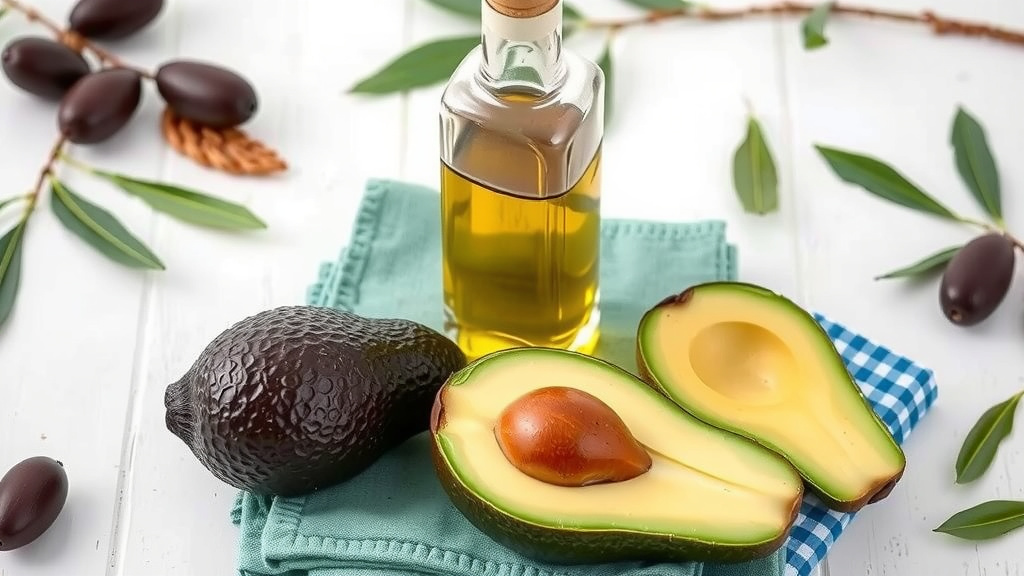
Conclusion
You’ve learned that both avocado oil and olive oil are excellent choices for supporting your cholesterol health. While avocado oil might offer a slight edge due to potentially higher oleic acid content, the difference for most people is subtle. The most impactful step you can take is to replace less healthy fats like butter or lard with either of these heart-smart oils. Focus on your cooking style and flavor preferences to pick the one you’ll enjoy using most. Make it a habit to incorporate either oil into your balanced diet, and you’ll be making a great choice for your heart.
Frequently Asked Questions
Is avocado oil really better than olive oil for cholesterol?
Research suggests avocado oil might have a slight advantage, often due to its very high concentration of oleic acid, a monounsaturated fat known to benefit cholesterol levels. However, olive oil is also rich in oleic acid and provides significant cholesterol-lowering benefits. For many, the difference is minor.
Can I use avocado oil for high-heat cooking if I’m watching my cholesterol?
Yes, absolutely! Avocado oil has a high smoke point, making it perfect for searing, roasting, and stir-frying. Using it instead of butter or other less healthy fats for high-heat cooking is a fantastic way to support your cholesterol goals while enjoying your favorite meals.
Does the type of olive oil (e.g., extra virgin) matter for cholesterol benefits?
Extra virgin olive oil is often recommended because it contains more beneficial compounds like polyphenols and antioxidants. While all olive oils are primarily monounsaturated fats, extra virgin provides an added boost of health-promoting phytonutrients that support overall heart health.
How much avocado or olive oil should I eat daily for cholesterol benefits?
The key is moderation and replacement. Health guidelines often suggest replacing saturated fats with monounsaturated fats. Aim for about 1-2 tablespoons of healthy oil per serving where you might otherwise use butter or other fats. Consistency in a balanced diet is more important than large amounts.
Will switching from butter to avocado or olive oil significantly impact my cholesterol levels?
Yes, swapping saturated fats like those in butter for monounsaturated fats found in avocado and olive oil can make a noticeable positive impact on your cholesterol profile. This type of dietary change is consistently shown to help lower LDL (“bad”) cholesterol.