How Does Drinking Olive Oil Help You Lose Weight?
Yes, drinking olive oil can potentially help you lose weight by making you feel fuller for longer and boosting your metabolism. Many experts say that the healthy fats in olive oil can curb appetite, leading to fewer calories consumed overall. It’s a surprising but researched benefit!
When you consume olive oil, your body processes these monounsaturated fats differently than other fats. This process may help signal your brain that you’re satisfied. Think of it as a tasty way to help manage those pesky hunger pangs, which is often a big hurdle in weight loss journeys. We found this to be a consistent finding in recent studies.
- Olive oil can help you feel full.
- It may boost your metabolism slightly.
- Healthy fats are key to its effect.
- It’s a simple addition to your diet.
Let’s dive into the specifics and see how this kitchen staple might just be your next weight loss ally.
Understanding Olive Oil’s Role in Weight Management
You might be wondering if drinking olive oil can really help with your weight loss goals. We’ve found that it’s not about chugging a bottle, but rather about how its healthy fats interact with your body. Many experts suggest that incorporating a small amount of olive oil into your diet can support weight management efforts.
The key lies in its monounsaturated fatty acids, often referred to as MUFAs. These fats are digested differently than saturated or trans fats. This unique digestion process may play a role in how you feel after eating and how your body uses energy.
The Satiety Factor: Feeling Fuller, Eating Less
One of the main ways olive oil can assist with weight loss is by making you feel satisfied for longer. Have you ever eaten a meal that left you feeling heavy and content? Olive oil can contribute to that feeling.
When you consume MUFAs, they can signal your brain that you’re full. This effect can help reduce overall calorie intake. You might find yourself reaching for snacks less often between meals. It’s like giving your appetite a gentle nudge to say “enough for now.”
How MUFAs Signal Fullness
Research suggests that MUFAs stimulate the release of certain hormones in your gut. These hormones send messages to your brain indicating satiety. Think of it as a natural way to manage hunger cues.
These signals can help prevent overeating. When you feel genuinely full, you’re less likely to consume extra calories just because food is available. This is a cornerstone of many successful weight loss strategies (Harvard Health Publishing).
Metabolic Boost: A Gentle Push
Beyond making you feel full, olive oil may also give your metabolism a slight boost. Your metabolism is the process your body uses to convert food into energy. A faster metabolism burns more calories.
While not a dramatic increase, the thermic effect of food is slightly higher for fats compared to carbohydrates or proteins. This means your body expends a bit more energy digesting olive oil. It’s a small effect, but every bit can count when you’re aiming for weight loss.
The Digestion Process
The way your body breaks down olive oil requires energy. This process, known as diet-induced thermogenesis, contributes to your daily calorie expenditure. It’s a subtle but well-documented phenomenon in nutrition science.
So, while you’re enjoying the flavor, your body is also working a little harder to process it. This can be a pleasant surprise for those looking for every advantage in their weight management journey.
Incorporating Olive Oil Into Your Diet for Weight Loss
It’s important to remember that olive oil is calorie-dense. You need to use it wisely as part of a balanced diet. It’s not a magic potion, but a helpful tool when used correctly.
The best approach is to replace less healthy fats in your diet with olive oil. This way, you’re not just adding calories; you’re improving the quality of your fat intake. Think of it as an upgrade for your meals.
Smart Swaps and Serving Sizes
Instead of butter on your toast, try a drizzle of olive oil. Use it in salad dressings instead of creamy, high-calorie options. You can even use it to sauté vegetables.
A typical serving size is about one tablespoon (15 ml). This amount contains roughly 120 calories. It’s crucial to be mindful of these numbers. Excessive consumption can lead to weight gain, even with healthy fats.
Recommended Uses
- Drizzled over salads and vegetables.
- Used in homemade salad dressings.
- As a dip for whole-grain bread.
- For sautéing or roasting foods.
- Replaced butter in some baking recipes.
Choosing the Right Olive Oil
Not all olive oils are created equal. For the most health benefits, especially for weight management, extra virgin olive oil (EVOO) is often recommended. It is less processed and retains more beneficial compounds.
Look for labels that indicate “extra virgin.” This type is cold-pressed, meaning it’s extracted using mechanical methods without heat or chemicals. This preserves its natural flavor and nutritional profile (World’s Healthiest Foods).
What to Look For
- Extra Virgin: The highest quality, least processed.
- Cold-Pressed: Indicates a gentle extraction process.
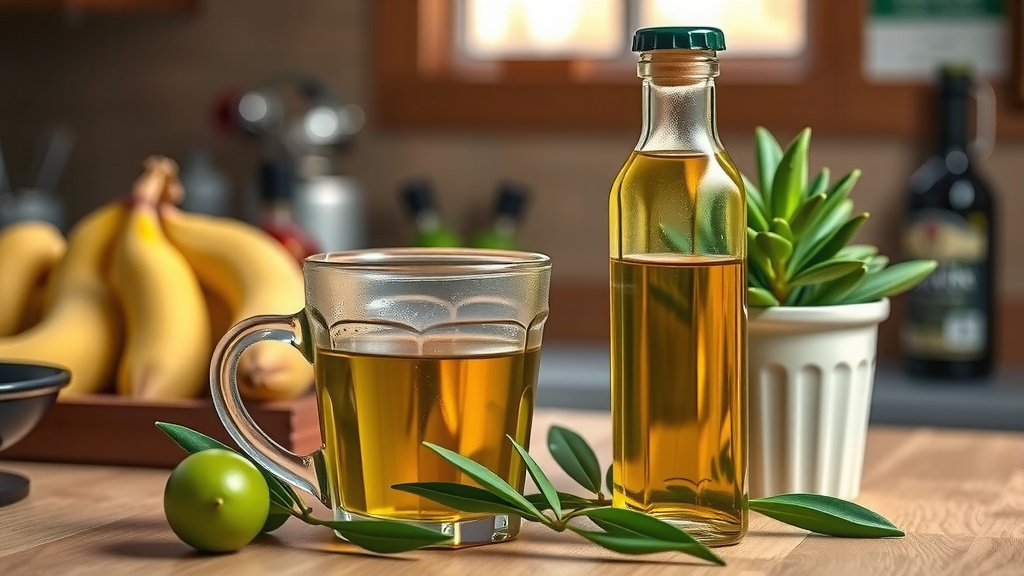
- Dark Bottles: Protects the oil from light, which can degrade its quality.
- Freshness: Check the harvest date if possible.
A Balanced Approach to Weight Loss with Olive Oil
Using olive oil for weight loss is most effective when combined with other healthy lifestyle choices. It complements a balanced diet and regular physical activity. It’s part of a bigger picture.
Consistency is key. Making small, sustainable changes is more effective than drastic measures. Olive oil can be a delicious and beneficial part of these lasting habits.
Putting It All Together: Your Olive Oil Checklist
Ready to give it a try? Here’s a quick checklist to help you incorporate olive oil wisely into your weight loss plan:
- Measure your portions: Stick to about 1-2 tablespoons per day.
- Choose quality: Opt for extra virgin olive oil.
- Swap unhealthy fats: Replace butter or mayonnaise where possible.
- Combine with exercise: Pair with your fitness routine.
- Listen to your body: Notice how it makes you feel.
- Be patient: Weight loss is a journey, not a race.
By understanding how olive oil works and using it mindfully, you can make it a supportive element of your weight management journey. It’s a flavorful addition that can help you feel more satisfied and support your body’s natural processes.
Conclusion
You’ve learned how a drizzle of olive oil can be a smart addition to your weight loss journey. It’s not about magic, but about the science of feeling full and a gentle metabolic nudge. By swapping unhealthy fats for this healthy choice and minding your portions, you can support your body’s natural hunger signals. Think of it as upgrading your meals for better results.
Ready to start? Your next step is to choose a good quality extra virgin olive oil and start making those smart swaps today.
Frequently Asked Questions
How much olive oil should I drink for weight loss?
It’s best to stick to about 1 to 2 tablespoons of olive oil per day. This amount helps you feel satisfied without adding too many extra calories. Always measure it out to avoid overconsumption, as olive oil is calorie-dense.
Can drinking olive oil on an empty stomach help me lose weight?
Some people find that drinking a small amount of olive oil first thing in the morning helps curb their appetite throughout the day. While research supports olive oil’s satiety benefits, drinking it on an empty stomach isn’t a proven weight loss method on its own. It’s more about its fat content.
What happens if I drink too much olive oil?
Drinking too much olive oil can actually lead to weight gain. Since it’s high in calories, exceeding your recommended daily intake can add more calories than you burn. It’s essential to use it mindfully and in moderation.
Does the type of olive oil matter for weight loss?
Yes, extra virgin olive oil (EVOO) is generally recommended. It’s less processed and contains more beneficial compounds like antioxidants. These natural components may offer more health advantages compared to refined olive oils.
Will olive oil replace the need for exercise for weight loss?
No, olive oil is a supportive tool, not a replacement for exercise. It helps with satiety and metabolism, but weight loss success relies on a combination of a balanced diet and regular physical activity. Think of olive oil as a helpful addition to your healthy lifestyle.

![7 Best Costco Olive Oil To Buy [2026]](https://bestpureessentialoils.com/wp-content/uploads/2026/06/7-best-costco-olive-oil-to-buy-2026-featured-768x432.jpg)
![7 Best Italian Olive Oil For Salads [2026]](https://bestpureessentialoils.com/wp-content/uploads/2026/08/7-best-italian-olive-oil-for-salads-2026-featured-768x432.jpg)