
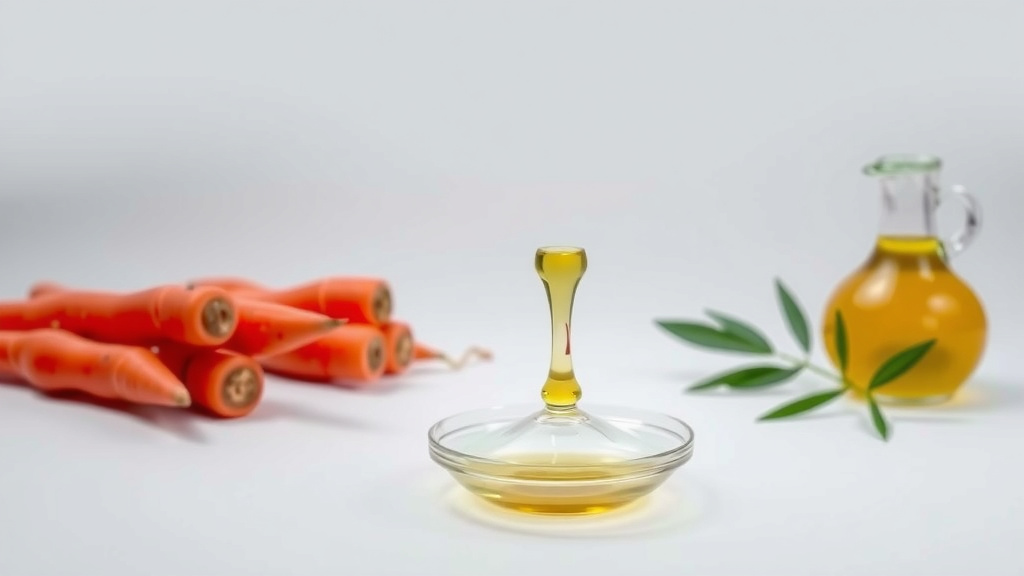
Carotino Oil vs Olive Oil: Which is Healthier
When comparing Carotino oil and olive oil, Carotino oil often comes out on top for everyday cooking due to its higher smoke point. This means it’s less likely to burn and create harmful compounds when heated. Olive oil, especially extra virgin, is fantastic for dressings and finishing dishes where its flavor shines.
Both oils offer health benefits, but they come from different sources. Carotino oil is made from red palm fruit and is rich in beta-carotene. Olive oil is pressed from olives and is known for its monounsaturated fats. Understanding these differences helps you make the best choice for your specific cooking needs and health goals.
- Carotino oil has a higher smoke point, making it better for high-heat cooking.
- Olive oil, especially extra virgin, is ideal for dressings and low-heat applications.
- Carotino oil is a good source of beta-carotene.
- Olive oil is rich in monounsaturated fats.
- Your choice depends on cooking method and desired flavor.
Let’s dive into the details of each oil, so you can decide which one is your perfect pantry partner.
Comparing Carotino Oil and Olive Oil for Your Kitchen
You’re likely wondering which oil should take center stage in your cooking. Both Carotino oil and olive oil have their unique strengths. We’ve looked into their properties to help you understand which one is the better fit for your needs. Think of them as specialized tools in your culinary toolbox.
Understanding Smoke Points: A Key Difference
The smoke point of an oil is a big deal for your cooking. It’s the temperature at which an oil starts to break down and smoke. When oil smokes, it can produce harmful compounds and give your food a burnt flavor.
Carotino Oil’s High Heat Tolerance
Carotino oil is made from the pulp of red palm fruit. This unique origin gives it a naturally high smoke point, often around 400-450°F (204-232°C). This makes it a fantastic choice for high-heat cooking methods. You can use it for searing meats, stir-frying vegetables, or even deep-frying without much worry. Because it doesn’t smoke easily, your food will taste like food, not burnt toast.
Olive Oil’s Sensitivity to Heat
Olive oil, especially extra virgin olive oil (EVOO), has a much lower smoke point. EVOO typically smokes between 325-375°F (163-190°C). This lower smoke point means it’s best suited for lower-heat cooking or no-heat applications. We found that using EVOO for high-heat searing can lead to bitterness and the loss of its delicate flavor. Refined olive oils have higher smoke points, but they also lose some of the health benefits and flavor.
Nutritional Profiles: What You’re Adding to Your Diet
Beyond cooking performance, the nutritional content of your cooking oil matters. Both oils offer health advantages, but they come from different nutrient sources.
Carotino Oil: A Beta-Carotene Powerhouse
Carotino oil is celebrated for its high content of beta-carotene. This is a precursor to Vitamin A, which is essential for vision, immune function, and skin health. Research indicates that red palm fruit oil is one of the richest natural sources of this important nutrient (National Institutes of Health). It also contains Vitamin E and other antioxidants.
Olive Oil: The King of Monounsaturated Fats
Olive oil is primarily known for its high levels of monounsaturated fats (MUFAs). These are considered “good fats” and are linked to heart health benefits. Studies suggest that a diet rich in MUFAs can help lower bad cholesterol and reduce the risk of heart disease (American Heart Association). EVOO also contains polyphenols, which are powerful antioxidants.
Flavor Considerations for Your Dishes
The taste of your cooking oil can greatly impact the final dish. This is where the differences between Carotino and olive oil become very apparent.
Carotino Oil: A Neutral Canvas
Carotino oil has a very mild, neutral flavor. This is a major advantage when you don’t want the oil’s taste to interfere with your ingredients. It’s like having a blank canvas for your culinary creations. Whether you’re baking, roasting, or sautéing, Carotino oil lets the flavors of your food shine through.
Olive Oil: Distinctive Taste Profiles
Olive oil, especially extra virgin, has a distinct flavor. It can range from peppery and grassy to fruity and buttery. This complexity is why it’s so popular for finishing dishes. Drizzled over salads, pasta, or grilled vegetables, its flavor adds an extra layer of deliciousness. However, this strong flavor might not be desirable in every recipe.
Practical Uses: Where Each Oil Excels
Let’s break down the best ways to use each oil in your kitchen based on what we’ve discussed.
Carotino Oil for Everyday Cooking
Because of its high smoke point and neutral flavor, Carotino oil is excellent for:
- High-heat sautéing
- Stir-frying
- Roasting vegetables and meats
- Baking where a neutral flavor is needed
- Frying (pan-frying or deep-frying)
Olive Oil for Flavor and Finishing
Olive oil, particularly EVOO, is perfect for:
- Salad dressings
- Drizzling over finished dishes
- Marinating (when heat isn’t involved)
- Low-heat sautés
- Flavoring bread for dipping
A Quick Comparison Table
Here’s a simple way to see the main differences side-by-side:
| Feature | Carotino Oil | Olive Oil (Extra Virgin) |
|---|---|---|
| Smoke Point | High (400-450°F / 204-232°C) | Low (325-375°F / 163-190°C) |
| Primary Fat Type | Balanced (Saturated, Monounsaturated, Polyunsaturated) | Monounsaturated Fats |
| Key Nutrient | Beta-Carotene (Vitamin A precursor) | Polyphenols, Vitamin E |
| Flavor Profile | Neutral | Distinct (peppery, fruity, grassy) |
| Best For | High-heat cooking, baking, frying | Dressings, finishing, low-heat cooking |
Making Your Choice: Which Oil is Right for You?
Deciding between Carotino oil and olive oil really boils down to your cooking style and what you want from your food.
If you do a lot of high-heat cooking, like searing steaks or stir-frying, Carotino oil is likely your best bet. Its stability under heat means you get better results without the smoke. Plus, you’re getting a good dose of beta-carotene.
For those who love adding flavor to dishes without cooking, or who prepare a lot of salads and cold dishes, extra virgin olive oil is irreplaceable. Its rich flavor and heart-healthy fats are wonderful additions.
Your Pantry Checklist for Oils
To help you decide which oil to keep stocked, consider these points:
- Do you frequently stir-fry or sear at high temperatures?
- Are you looking for an oil with a neutral flavor for baking?
- Do you often make your own salad dressings?
- Is adding antioxidants like beta-carotene a priority for you?
- Do you prefer oils with a distinct flavor profile for finishing dishes?
- Does your budget play a role in your daily cooking oil choice?
Conclusion
Choosing between Carotino oil and olive oil depends on your cooking style. Carotino oil shines for high-heat cooking, offering a neutral flavor and excellent stability. We found it’s your go-to for searing, stir-frying, and baking. Olive oil, especially extra virgin, is perfect for adding flavor to dressings and finishing dishes. Its distinct taste and lower smoke point make it ideal for low-heat applications and raw uses. Consider your daily cooking habits and flavor preferences to make the best choice for your kitchen.
Your next step is to look at your pantry and decide which oil will best support your upcoming meals. You might even find keeping both on hand offers the most versatility for all your culinary adventures.
Frequently Asked Questions
Can I substitute Carotino oil for olive oil in any recipe?
Generally, yes, you can substitute them, but keep the smoke points in mind. If your recipe calls for high-heat cooking, Carotino oil is a safer choice. For recipes where flavor is key and heat is low, olive oil will provide a more desirable taste.
Which oil is better for heart health?
Both oils offer health benefits. Olive oil is lauded for its high monounsaturated fat content, which is great for heart health. Carotino oil provides beta-carotene, a precursor to Vitamin A, and other antioxidants.
Does Carotino oil have a strong flavor?
No, Carotino oil has a very mild and neutral flavor. This makes it a versatile option for baking and cooking where you don’t want the oil to impart its own taste. You want your ingredients to be the star.
Is extra virgin olive oil good for sautéing?
While you can sauté with extra virgin olive oil, it’s best for low to medium heat. Its lower smoke point means it can break down and become bitter if heated too high. For higher heat sautéing, a refined olive oil or Carotino oil would be more suitable.
Where does Carotino oil come from?
Carotino oil is extracted from the pulp of red palm fruit. This unique source is what gives it its rich color and high beta-carotene content, differentiating it from other cooking oils.

![7 Best Fresh Olive Oil [2026]](https://bestpureessentialoils.com/wp-content/uploads/2026/08/7-best-fresh-olive-oil-2026-featured-768x432.jpg)
![7 Best Olive Oil Brand For Dipping Bread [2026]](https://bestpureessentialoils.com/wp-content/uploads/2026/09/7-best-olive-oil-brand-for-dipping-bread-2026-featured-768x432.jpg)
![7 Best Olive Oil In The World [2026]](https://bestpureessentialoils.com/wp-content/uploads/2026/07/7-best-olive-oil-in-the-world-2026-featured-768x432.jpg)
![7 Best Extra Virgin Olive Oil From Sicily [2026]](https://bestpureessentialoils.com/wp-content/uploads/2026/08/7-best-extra-virgin-olive-oil-from-sicily-2026-featured-768x432.jpg)