
Castor Oil vs Olive Oil: Which is Better for Hair Growth
When choosing between castor oil vs olive oil, the key difference lies in their primary uses: castor oil is typically for topical treatments and industrial applications, while olive oil is a staple for cooking and skin care. You can use olive oil directly on your skin, but castor oil is usually too thick for general skin hydration and often needs to be diluted.
Both oils come from different sources and have unique properties. Castor oil, derived from castor beans, is known for its thick consistency and medicinal benefits. Olive oil, pressed from olives, is famous for its health benefits in diet and its gentler effects on the skin. They really are quite different!
- Castor oil is best for specific topical uses and industrial needs.
- Olive oil is a versatile choice for cooking and general skincare.
- Castor oil is very thick; olive oil is lighter.
- They come from different plants with unique chemical makeup.
We’ll break down exactly when and why you might reach for one over the other, looking at their benefits and best applications so you can make the right choice for your needs.
When to Choose Castor Oil or Olive Oil: A Practical Guide
You’re probably wondering which oil is best for your needs. Both castor oil and olive oil offer unique benefits, but they aren’t interchangeable. We found that understanding their origins and properties is key. This will help you pick the right one for everything from skincare to your pantry.
Understanding the Source: What Makes Them Different?
Castor Oil: From Bean to Bottle
Castor oil comes from the seeds of the Ricinus communis plant. These seeds are pressed to extract the oil. It’s known for its very thick, viscous texture. This consistency is a major clue to its primary uses. Many studies highlight its rich ricinoleic acid content. This is the main component responsible for its unique properties.
Olive Oil: The Mediterranean Staple
Olive oil, on the other hand, is pressed from olives. These are the fruits of the olive tree. You’re likely familiar with it as a cooking ingredient. It’s a cornerstone of the Mediterranean diet. Research shows it’s rich in healthy monounsaturated fats. It also contains antioxidants like Vitamin E.
Key Differences in Properties and Uses
Texture and Consistency
One of the most obvious differences is how they feel. Castor oil is extremely thick and sticky. It’s often described as syrupy. This makes it less ideal for widespread skin application unless diluted. Olive oil is much lighter and more fluid. It absorbs into the skin more readily.
Chemical Makeup
Their fatty acid profiles are quite distinct. Castor oil is primarily made of ricinoleic acid. This fatty acid is rare in other oils. It’s known for its humectant properties. Olive oil is mainly composed of oleic acid. This is a monounsaturated omega-9 fatty acid. It’s recognized for its anti-inflammatory effects.
Primary Applications: Where Do They Shine?
This is where you’ll see the biggest divergence. Castor oil is often used for specific skincare concerns. Think hair growth, eyebrow thickening, and lash enhancement. It’s also used in some traditional remedies. Olive oil, however, is a kitchen essential and a popular choice for general skincare.
Castor Oil: Specialized Benefits and Uses
For Your Hair and Scalp
Many people turn to castor oil for hair care. We found that it’s often applied to the scalp to potentially support hair growth. Its thick nature can be moisturizing for dry scalps. Some use it for promoting thicker eyebrows and eyelashes. Always patch-test first, as it can be quite potent.
Skin Concerns and Treatments
Beyond hair, castor oil has a reputation for treating certain skin issues. Some research suggests it may have anti-inflammatory and antimicrobial properties. This might make it helpful for minor skin irritations. However, due to its thickness, it’s usually mixed with a lighter carrier oil for wider skin application. Many sources advise against using it undiluted on large areas of skin.
Industrial and Other Uses
You might be surprised to learn castor oil has industrial applications. It’s used in manufacturing lubricants, paints, and even certain plastics. Its unique chemical structure makes it suitable for these diverse roles. This is a far cry from its uses in beauty routines!
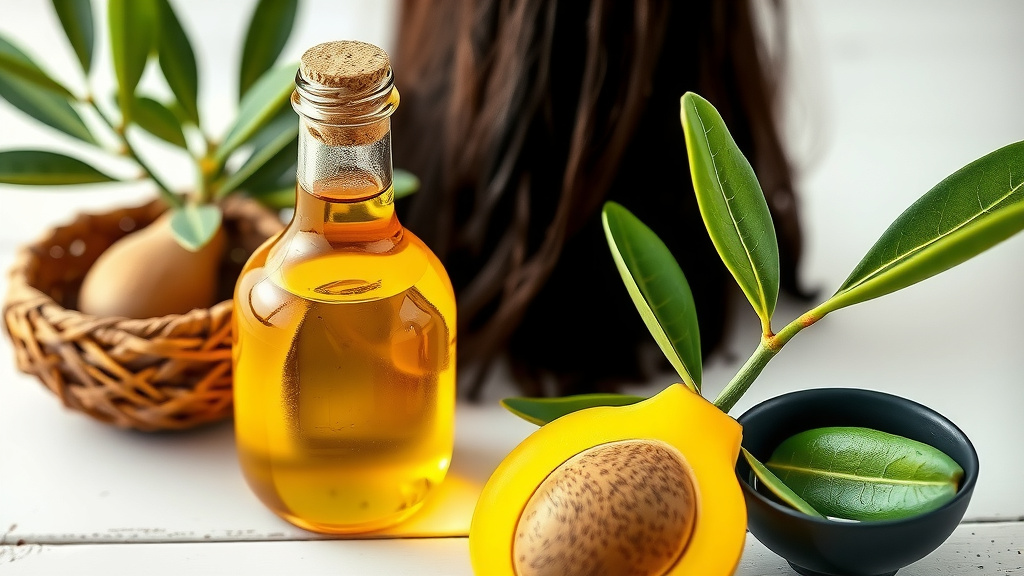
Olive Oil: The Versatile All-Rounder
In the Kitchen: A Culinary Delight
Olive oil is a star in the culinary world. Extra virgin olive oil, in particular, is prized for its flavor. It’s fantastic for salad dressings, sautéing, and finishing dishes. Guidelines from health organizations often recommend it as part of a healthy diet (USDA). Its monounsaturated fats are heart-healthy.
Skincare: Gentle and Nourishing
Olive oil is a gentler option for your skin compared to castor oil. It’s a great moisturizer for dry skin. You can find it in many soaps, lotions, and creams. Its natural antioxidants can help protect your skin. Many find it soothing for minor burns or irritations. Its lighter texture makes it easy to apply and absorb. For general skincare, olive oil is a gentler option that absorbs readily.
A Note on Quality
For both cooking and skincare, the quality of olive oil matters. Extra virgin olive oil (EVOO) is generally considered the highest grade. It’s less processed and retains more nutrients and flavor. Regular or light olive oil has undergone more refinement.
Comparing Castor Oil and Olive Oil Side-by-Side
To help you visualize the differences, consider this quick comparison:
| Feature | Castor Oil | Olive Oil |
|---|---|---|
| Source | Castor beans | Olives |
| Consistency | Very thick, viscous | Lighter, fluid |
| Main Fatty Acid | Ricinoleic acid | Oleic acid |
| Primary Uses | Hair growth, lashes, brows, specific topical treatments, industrial | Cooking, general skincare, salad dressings |
| Skin Absorption | Slow, often needs dilution | Relatively quick |
Making Your Choice: Which Oil is Right for You?
So, how do you decide? Think about what you want to achieve. Are you targeting specific hair concerns or looking for a potent topical treatment? Then castor oil might be your go-to, often diluted. If you need a versatile oil for healthy cooking and general skin hydration, olive oil is likely the better fit.
A Quick Checklist for Your Oil Selection:
- For hair growth: Castor oil (diluted)
- For cooking: Olive oil (especially extra virgin)
- For general skin hydration: Olive oil
- For treating dry scalp: Castor oil (diluted)
- For salad dressing: Olive oil
- For a thick, potent topical treatment: Castor oil (with caution and dilution)
Conclusion
You’ve now seen how castor oil and olive oil, though both natural oils, serve distinctly different purposes. Castor oil is your potent tool for targeted hair and scalp treatments, thanks to its unique ricinoleic acid. Olive oil, on the other hand, is your kitchen staple and a gentle, hydrating choice for everyday skincare. Understanding their textures and primary uses—castor for specific potent applications and olive for broad culinary and skin benefits—will guide your selection. Next time you reach for an oil, consider your goal: boost your brows with castor or dress your salad with olive oil.
Frequently Asked Questions
Can I use castor oil directly on my face?
Generally, it’s not recommended to use undiluted castor oil all over your face. Its very thick consistency can clog pores for some individuals. If you want to try it for specific concerns like eyebrows, dilute it with a lighter carrier oil such as jojoba or olive oil. Always perform a patch test first.
Is olive oil good for all skin types?
Olive oil is generally well-tolerated and beneficial for most skin types, especially dry or normal skin. Its moisturizing properties can be very helpful. However, individuals with very oily or acne-prone skin might find it a bit too heavy for daily facial use. Using it sparingly or as part of a cleanser might be a better approach.
Which oil is better for hair growth?
Castor oil is more commonly associated with promoting hair growth, particularly for lashes and eyebrows, due to its ricinoleic acid content. While olive oil can condition the scalp and hair, making them healthier, it doesn’t have the same specific reputation for stimulating new growth as castor oil does.
Can I switch between using castor oil and olive oil for cooking?
No, you should not switch them for cooking. Castor oil is not safe for internal consumption and can be toxic. Olive oil is a widely used and healthy cooking oil. Always reserve castor oil for topical or industrial applications as intended.
What does “carrier oil” mean in relation to castor oil?
A carrier oil, like jojoba, almond, or even olive oil, is used to dilute potent essential oils or thicker oils like castor oil. It helps spread the oil more easily over the skin and reduces the risk of irritation. Since castor oil is so thick, mixing it with a carrier oil makes it much more practical for broader topical applications.


![7 Best Kind Of Olive Oil For Health [2026]](https://bestpureessentialoils.com/wp-content/uploads/2026/09/7-best-kind-of-olive-oil-for-health-2026-featured-768x432.jpg)
![7 Best Country Olive Oil In The World [2026]](https://bestpureessentialoils.com/wp-content/uploads/2026/06/7-best-country-olive-oil-in-the-world-2026-featured-768x432.jpg)