
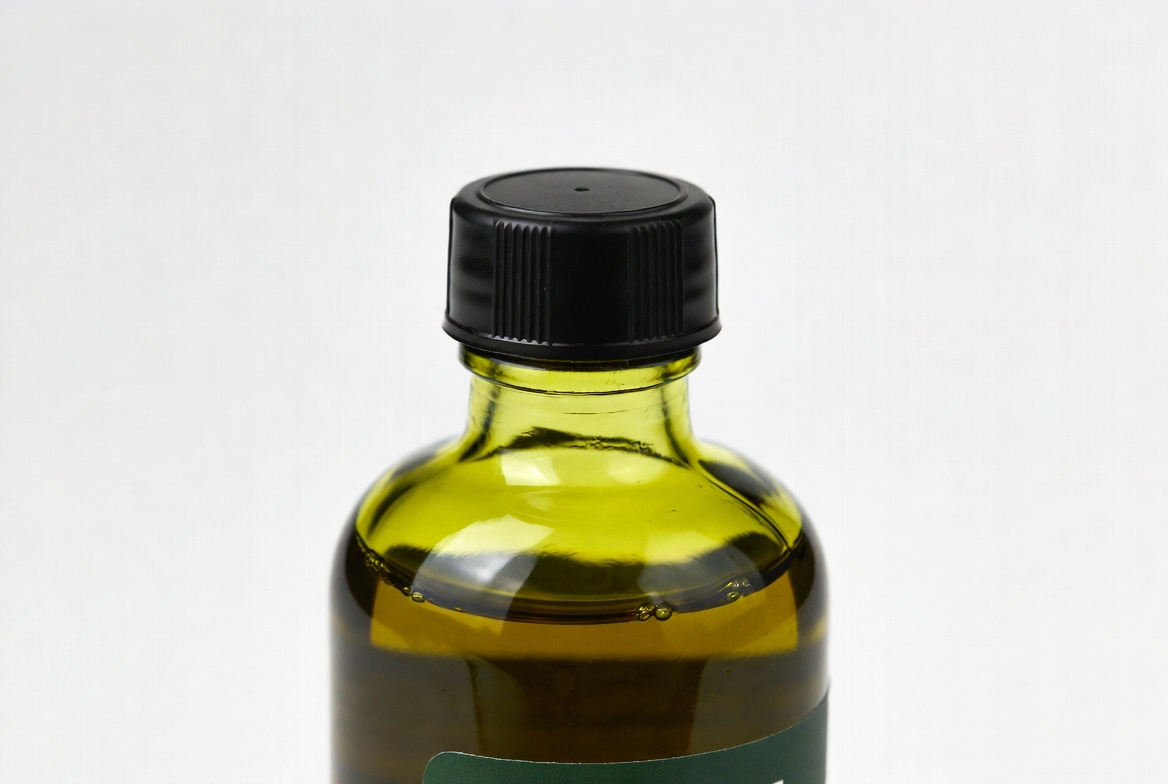
Avocado Oil vs Olive Oil Benefits: Which Should Be Your Kitchen Staple?
If you’ve ever stood in the cooking oil aisle at your local grocery store, staring at bottles of golden olive oil and vibrant green avocado oil, you’re not alone. The question of which oil deserves a permanent spot on your kitchen shelf has become increasingly relevant as we all try to make healthier choices for ourselves and our families. But here’s the thing—it’s not really about picking one winner. Instead, it’s about understanding what each oil brings to the table and how they fit into your lifestyle.
Outline of What We’ll Cover Today
- Understanding the basic differences between these two oils
- Nutritional profiles and health benefits
- Smoke points and cooking applications
- Flavor profiles and culinary uses
- Price comparisons and value for money
- Environmental and sustainability considerations
- How to choose based on your specific needs
- Storage tips and shelf life
- Final recommendations
Getting to Know Your Oils: The Basics
Let me start by demystifying what we’re actually talking about here. Both avocado oil and olive oil are extracted from fruits—yes, fruits—but through slightly different methods and with distinct characteristics. Think of olive oil as the classic, time-tested option that’s been around for thousands of years, while avocado oil is the newer player on the scene that’s been gaining serious momentum over the last decade.
What is Olive Oil Exactly?
Olive oil comes from pressing the fruit of the olive tree, primarily grown in Mediterranean regions like Spain, Italy, and Greece. The oil extraction process is relatively straightforward—the olives are crushed, and the oil is separated from the solid matter. Depending on how it’s processed, you get different varieties like extra virgin, virgin, or refined olive oil. The flavor and quality vary significantly based on harvest time, origin, and processing methods.
Understanding Avocado Oil
Avocado oil, on the other hand, is extracted from the flesh of avocados, not the pit. This is a crucial detail because it means you’re getting oil from a different part of the fruit entirely. The extraction process is more involved than olive oil production, which is one reason why avocado oil tends to be pricier. The oil has a creamy, buttery consistency and a mild, slightly nutty flavor that many people find appealing.
Nutritional Showdown: What the Numbers Tell Us
When it comes to nutrition, both oils are nutritional powerhouses, but they have their own unique strengths. Let me break down what makes each one special from a health perspective.
Caloric Content and Fat Composition
First things first—both oils are calorie-dense, which is totally normal for oils. They each contain about 120 calories per tablespoon. Where they differ significantly is in their fatty acid makeup. Olive oil is rich in monounsaturated fats, containing roughly 73 percent monounsaturated fat, 11 percent polyunsaturated fat, and 14 percent saturated fat. Avocado oil has an even higher monounsaturated fat content at around 71 percent, with 13 percent polyunsaturated and 12 percent saturated fat.
What does this mean for you? Both oils are predominantly made up of the “good fats” that your body actually needs. These monounsaturated fats support heart health and can help maintain healthy cholesterol levels. They’re not the enemy that old dietary guidelines made them out to be.
Antioxidants and Beneficial Compounds
This is where olive oil truly shines, especially when you’re choosing extra virgin varieties. Extra virgin olive oil is packed with polyphenols, which are powerful antioxidants that fight inflammation in your body. You’ll find compounds like oleocanthal, which has been studied for its anti-inflammatory properties similar to ibuprofen. It sounds too good to be true, but the research backs it up.
Avocado oil contains antioxidants too, including lutein and beta-carotene, which are particularly beneficial for eye health. However, it typically doesn’t have the same concentration of polyphenols as extra virgin olive oil. That said, avocado oil does contain oleic acid in abundance, which is the same beneficial monounsaturated fat found in olives.
Vitamin E and Micronutrients
Both oils contain vitamin E, an important fat-soluble antioxidant that protects your cells from damage. Avocado oil actually tends to have slightly higher levels of vitamin E than olive oil, making it an excellent choice if you’re specifically looking to boost your antioxidant intake through this particular nutrient.
Smoke Points: Why This Matters More Than You Think
Here’s something many home cooks don’t fully understand—the smoke point of an oil is absolutely critical. It’s the temperature at which an oil begins to break down and produce smoke. Once an oil hits that point, it degrades nutritionally and can produce harmful compounds. So choosing the right oil for the right cooking method is genuinely important.
Olive Oil’s Smoke Point Explained
Extra virgin olive oil has the lowest smoke point, ranging from 320 to 405 degrees Fahrenheit, depending on quality and freshness. This makes it terrible for high-heat cooking. You should never use extra virgin olive oil for frying or sautéing over high heat. Instead, it’s perfect for finishing dishes, making salad dressings, dipping bread, or drizzling over soups.
Regular or light olive oil, which is more refined, has a higher smoke point of around 465 degrees Fahrenheit. This makes it suitable for medium-heat cooking and light sautéing, though it still shouldn’t be your go-to for intense cooking situations.
Avocado Oil’s Heat Tolerance
Here’s where avocado oil really flexes its muscles. Avocado oil has one of the highest smoke points of any cooking oil, ranging from 480 to 520 degrees Fahrenheit depending on whether it’s refined or unrefined. This makes it incredibly versatile. You can use it for stir-frying, pan-searing, roasting, and even occasional deep-frying without worrying about it breaking down.
This high smoke point is actually one of the biggest practical advantages of avocado oil in the kitchen. If you like to cook hot and fast, avocado oil becomes your trusted ally.
Culinary Applications and Flavor Profiles
Let’s talk about how these oils actually taste and where they work best in your cooking.
Extra Virgin Olive Oil: A Taste Experience
Extra virgin olive oil is not shy about its flavor. You get grassy, fruity, peppery, or buttery notes depending on the harvest and origin. Some bottles taste like fresh-cut grass, while others have almond or walnut undertones. This robust flavor profile makes it perfect for drizzling on finished dishes where its taste can shine. It’s ideal for salad dressings, dips like hummus, bread dipping, and even desserts.
The problem with using extra virgin olive oil for cooking is that the heat destroys those delicate flavors you paid for. It’s like wearing an expensive perfume to the gym—it seems wasteful.
Refined Olive Oil: The Milder Option
Refined olive oil has a much more neutral taste, which makes it suitable for cooking where you don’t want the oil flavor dominating your dish. It works well for sautéing vegetables, making baked goods, or preparing sauces.
Avocado Oil: Subtle and Versatile
Avocado oil has a mild, slightly buttery flavor that’s less assertive than extra virgin olive oil. This makes it incredibly versatile. You can use it in cooking without worrying about it overpowering your dish. It’s excellent for sautéing, roasting, grilling, and even works beautifully in baking. Some people enjoy the subtle, creamy undertone it adds to smoothies or salad dressings too.
Cost Considerations: What You’ll Actually Pay
Let’s be honest—price matters when you’re buying something you’ll use regularly.
Olive Oil Pricing Across Varieties
Extra virgin olive oil can range from fifteen dollars to over fifty dollars per bottle, depending on the source, harvest date, and brand reputation. Some premium bottles cost even more. Regular or light olive oil is typically cheaper, usually between eight and fifteen dollars per bottle. You’re paying for quality, origin, and processing methods with the more expensive varieties.
Avocado Oil Cost
Avocado oil generally costs more than comparable olive oil, typically ranging from twelve to twenty-five dollars per bottle. The higher price reflects the more complex extraction process and the current demand for the product. However, the price has been gradually decreasing as production scales up globally.
Value for Your Money
If you’re buying extra virgin olive oil exclusively for cooking, you’re overpaying for qualities you’re literally destroying with heat. In that case, avocado oil might actually provide better value since you can use it in more applications. However, if you’re using extra virgin olive oil for its intended purpose—finishing dishes and raw applications—then the investment makes sense.
Environmental Impact and Sustainability
If you care about the environment, and most of us do, this is worth considering.
Olive Oil Production and Sustainability
Olive oil production has thousands of years of tradition and relatively established sustainable practices in many regions. However, there are concerns about water usage, pesticide application, and deforestation in some areas. Some Mediterranean regions have been cultivating olives responsibly for generations, while newer producers might not follow the same standards. Look for certifications like organic or fair trade if environmental impact matters to you.
Avocado Oil and Environmental Concerns
Avocado cultivation has become increasingly problematic environmentally. Large-scale avocado farming has led to significant deforestation in Mexico and other regions. Water consumption is also considerable, which is problematic in areas that already face water scarcity. Additionally, some avocado farms use heavy pesticides and fertilizers. If environmental sustainability is your primary concern, sourcing matters hugely here. Seek out avocado oil from responsibly managed farms that prioritize environmental practices.
Storage and Shelf Life: Making Your Oil Last
How you store your oils directly impacts how long they remain fresh and beneficial.
Keeping Olive Oil Fresh
Extra virgin olive oil is sensitive to light, heat, and oxygen. Store it in a cool, dark place in a dark bottle. Avoid the clear bottles sitting on store shelves under bright lights—that oil has likely oxidized significantly. Once opened, use extra virgin olive oil within a few months for best quality. Refined olive oil is more stable and lasts longer, usually up to a year or two when properly stored.
Storing Avocado Oil Properly
Avocado oil is similarly sensitive to light and heat. Store it in a cool, dark cupboard in an airtight, opaque container. Unlike olive oil, avocado oil won’t solidify if refrigerated, so you can keep it there if you prefer. Properly stored avocado oil can last six months to a year after opening.
Making Your Choice: A Practical Guide
So which oil should actually be sitting on your kitchen counter? The honest answer is that you might benefit from keeping both.
Choose Extra Virgin Olive Oil If:
- You love bold, distinctive flavors in your food
- You primarily use oil for finishing dishes and salad dressings
- You want maximum antioxidant content
- You’re interested in Mediterranean cooking traditions
- Environmental impact is your primary concern and you source responsibly
Choose Avocado Oil If:
- You do frequent high-heat cooking like stir-frying or searing
- You want a versatile oil that works in multiple cooking applications
- You prefer subtle flavors that won’t compete with your dishes
- You’re baking and want a neutral-tasting oil
- You need an oil that’s stable across various cooking temperatures
The Ideal Kitchen Setup
Many home cooks find that keeping both makes the most sense. Use extra virgin olive oil as a finishing oil and for raw applications. Use avocado oil for everyday cooking when heat is involved. This approach lets you maximize the benefits of each oil while respecting their strengths and limitations.
Health Benefits You Should Know About
Heart Health and Both Oils
Both oils have been associated with cardiovascular health benefits due to their high monounsaturated fat content. Studies on the Mediterranean diet, which features olive oil prominently, show significant heart health benefits. However, avocado oil has received less long-term research, though early studies suggest similar potential.
Inflammation Reduction
The polyphenols in extra virgin olive oil have demonstrated anti-inflammatory properties in numerous studies. Avocado oil contains compounds that may also support anti-inflammatory processes, though the research is less extensive. If you’re specifically looking to reduce inflammation, extra virgin olive oil has stronger scientific backing.
Weight Management
Since both oils are calorie-dense, they shouldn’t be consumed in unlimited quantities. However, the monounsaturated fats in both promote satiety, meaning you feel fuller longer. Using either oil in moderation as part of a balanced diet can actually support weight management better than avoiding fats entirely.
Common Misconceptions Cleared Up
Myth: All Fats Are Bad for You
This is outdated thinking. Both monounsaturated and polyunsaturated fats are essential nutrients that your body needs. They support hormone production, nutrient absorption, and brain function. The issue isn’t fat itself—it’s consuming excessive amounts of the wrong types of fats.
Myth: You Can Use Any Oil for High-Heat Cooking
This is dangerous nutritionally. When oils exceed their smoke point, they oxidize and produce compounds that may be harmful to your body. Using the right oil for the right temperature matters more than most people realize.
Myth: Extra Virgin Means Most Nutritious
While extra virgin olive oil does contain more antioxidants, this only matters if you’re using it raw or for finishing dishes. The heat destroys those beneficial compounds, so using expensive extra virgin oil for cooking makes no nutritional sense.
Conclusion
After examining avocado oil versus olive oil from every angle—nutrition, cooking applications, cost, environmental impact, and practical kitchen use—the truth is that both oils have earned their place in modern cooking. They’re not competitors battling for supremacy; they’re complementary tools that serve different purposes.
Extra virgin olive oil stands as a champion for its robust antioxidant content, centuries of culinary tradition, and proven health benefits backed by extensive research. It’s irreplaceable when you want to add flavor and maximize nutritional value in raw applications. However, trying to use it for high-heat cooking is

![7 Best Olive Oil Bottles [2026]](https://bestpureessentialoils.com/wp-content/uploads/2026/09/7-best-olive-oil-bottles-2026-featured-768x432.jpg)

![7 Best Extra Virgin Olive Oil Uk [2026]](https://bestpureessentialoils.com/wp-content/uploads/2026/08/7-best-extra-virgin-olive-oil-uk-2026-featured-768x432.jpg)
![7 Best Dipping Bread For Olive Oil [2026]](https://bestpureessentialoils.com/wp-content/uploads/2026/06/7-best-dipping-bread-for-olive-oil-2026-featured-768x432.jpg)