Avocado Oil vs Extra Virgin Olive Oil Health Benefits: A Comprehensive Science-Based Comparison
When you’re standing in the cooking oil aisle at your local grocery store, you’re probably wondering which bottle will give you the most bang for your buck health-wise. I get it—there are so many options these days, and marketing claims can be confusing. Today, I want to walk you through what the science actually says about two of the healthiest oils on the market: avocado oil and extra virgin olive oil.
These two oils have been making headlines in wellness circles, and for good reason. But here’s the thing—they’re not identical twins. They have different compositions, different smoke points, and yes, different health benefits. So let’s dig into the real facts and help you figure out which one (or both) deserves a spot in your kitchen.
Understanding the Basics: What Are We Comparing?
Before we jump into the health benefits, I think it’s important to understand what we’re actually talking about. Both avocado oil and extra virgin olive oil come from plants, but they’re processed differently and have distinct nutritional profiles.
What Is Extra Virgin Olive Oil?
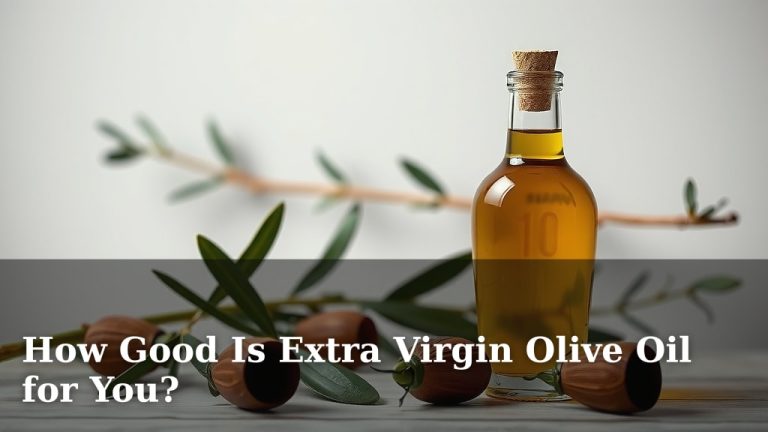
Extra virgin olive oil is essentially the juice of olives. It’s cold-pressed, which means the olives are crushed without heat, preserving all those delicate compounds that make it so good for you. When you buy a quality bottle of extra virgin olive oil, you’re getting something that’s been part of Mediterranean diets for thousands of years.
What Is Avocado Oil?
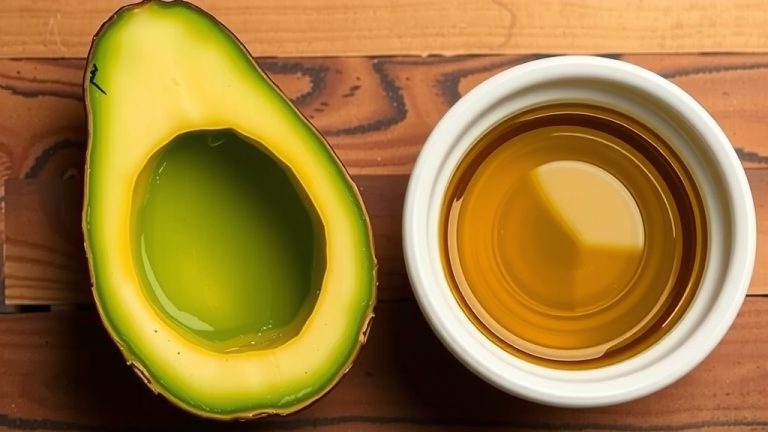
Avocado oil comes from the flesh of avocados, not the pit. It’s typically expeller-pressed or cold-pressed, similar to olive oil. What makes it unique is that it’s much more stable at higher temperatures, which we’ll discuss more later. It’s a relatively newer player in the cooking oil world, but it’s quickly gaining popularity.
Nutritional Composition: Breaking Down the Numbers
Let me be honest—looking at nutrition labels can feel like deciphering a secret code. But when you compare these two oils side by side, some interesting differences emerge.
Fat Content and Fatty Acid Profiles
Both oils are primarily fat, but that’s actually a good thing. The type of fat matters tremendously. Extra virgin olive oil is rich in monounsaturated fats, specifically oleic acid, which makes up about 70 percent of the oil. It also contains polyunsaturated fats and a small amount of saturated fat.
Avocado oil is remarkably similar in its fatty acid composition. It’s also predominantly monounsaturated fat, with oleic acid being the main component. In fact, if you were to line them up, they’re quite comparable in their overall fat profiles. This is one of the reasons both are considered heart-healthy options.
Here’s the breakdown for a typical tablespoon of each:
- Monounsaturated fat: Extra virgin olive oil ~10g, Avocado oil ~10g
- Polyunsaturated fat: Extra virgin olive oil ~1.5g, Avocado oil ~1.5g
- Saturated fat: Extra virgin olive oil ~2g, Avocado oil ~2g
Antioxidants and Polyphenols
This is where things get interesting. Extra virgin olive oil is packed with antioxidants and polyphenols. We’re talking about compounds like oleuropein, tyrosol, and hydroxytyrosol—names that might sound like chemistry experiments, but they’re actually powerful disease-fighting molecules.
Avocado oil contains antioxidants too, but typically in lower concentrations than extra virgin olive oil. However, it does contain some unique compounds like lutein, which is beneficial for eye health. So they’re different in their antioxidant profiles rather than one being definitively superior.
Smoke Point: Which Oil Should You Cook With?
Here’s something that matters more than people realize. The smoke point is the temperature at which an oil begins to break down and produce smoke. When oil breaks down, those beneficial compounds start disappearing, and potentially harmful substances can form.
Extra Virgin Olive Oil’s Smoke Point
Extra virgin olive oil has a smoke point around 375-405 degrees Fahrenheit. I know what you might be thinking—that’s not very high. And you’re right. This is why it’s best used for low to medium-heat cooking, salad dressings, or drizzling over finished dishes. When you use it past its smoke point, you’re losing the very compounds that make it so healthy in the first place.
Avocado Oil’s Smoke Point
Avocado oil has a considerably higher smoke point, typically between 500-520 degrees Fahrenheit. This makes it much more versatile in the kitchen. You can use it for sautéing, roasting, and even high-heat cooking without worrying as much about degradation. If you’re planning to make stir-fries or pan-sear vegetables, avocado oil is your friend.
Heart Health Benefits: The Research Says
Both of these oils have been studied extensively for their cardiovascular benefits, and I think you’ll find the results pretty encouraging.
Extra Virgin Olive Oil and Cardiovascular Health
The Mediterranean diet, which is heavily centered on extra virgin olive oil, has been shown in numerous studies to reduce the risk of heart disease. The famous PREDIMED study, which followed thousands of people over several years, found that people who consumed extra virgin olive oil regularly had a significantly lower risk of major cardiovascular events compared to those on a low-fat diet.
The polyphenols in extra virgin olive oil help reduce inflammation and improve blood vessel function. They also help lower blood pressure and reduce LDL cholesterol oxidation—which is important because it’s the oxidized form of LDL that’s more likely to damage your arteries.
Avocado Oil and Heart Health
While avocado oil hasn’t been studied as extensively as olive oil, the research that does exist is promising. The high monounsaturated fat content supports heart health by helping to maintain healthy cholesterol levels. Some studies suggest that avocado oil may help reduce inflammation in the body, though we need more research to make definitive claims.
One interesting finding is that avocado oil may help with the absorption of carotenoids from vegetables, which are themselves protective compounds.
Anti-Inflammatory Properties: Calming Your Body’s Fire
Think of inflammation as your body’s fire alarm system. Sometimes it’s necessary, but when it’s constantly going off, it causes problems. Both oils have anti-inflammatory properties, but in slightly different ways.
Extra Virgin Olive Oil’s Anti-Inflammatory Action
The polyphenols in extra virgin olive oil work like natural anti-inflammatory agents. One particular compound called oleocanthal has been compared to ibuprofen in its ability to reduce inflammation. When you consume high-quality extra virgin olive oil regularly, you’re essentially getting a natural supplement that helps dial down systemic inflammation.
Avocado Oil’s Anti-Inflammatory Properties
Avocado oil contains vitamin E and other compounds that help reduce inflammation. It’s less research-proven than olive oil in this regard, but the evidence suggests it plays a supportive role in managing inflammation throughout your body.
Brain Health and Cognitive Function
Your brain loves healthy fats, and both these oils provide them. But let’s look at what makes each special for your noggin.
Extra Virgin Olive Oil and Neuroprotection
Studies have shown that extra virgin olive oil may help protect against cognitive decline and reduce the risk of Alzheimer’s disease. The polyphenols appear to have neuroprotective effects, helping to prevent the buildup of proteins that are associated with neurodegenerative diseases. Regular consumption seems to support memory and thinking skills as we age.
Avocado Oil and Brain Support
Avocado oil contains lutein and other compounds that support brain health. Lutein is known to accumulate in the brain and may help with cognitive function. While the research is more limited compared to olive oil, the nutritional profile suggests it’s beneficial for brain health.
Cholesterol Management: What the Numbers Tell Us
One of the most common reasons people choose these oils is to manage their cholesterol levels. Let me break down what we know.
How Extra Virgin Olive Oil Affects Cholesterol
Extra virgin olive oil helps improve cholesterol profiles by increasing HDL (the good cholesterol) and lowering LDL cholesterol, especially the small, dense particles that are most damaging. The polyphenols specifically help prevent LDL oxidation, which is crucial because oxidized LDL is the form that contributes to plaque buildup in arteries.
Avocado Oil’s Impact on Cholesterol
Avocado oil’s monounsaturated fat content helps maintain healthy cholesterol levels. While it doesn’t have the same wealth of research as olive oil, the studies that exist suggest it supports healthy lipid profiles. Some research indicates it may help lower triglycerides, which is another important marker of cardiovascular health.
Digestive Health: Keeping Your Gut Happy
Your digestive system is incredibly important for overall health, and both oils can support it in different ways.
Extra Virgin Olive Oil and Gut Function
Extra virgin olive oil acts as a prebiotic, meaning it helps feed the good bacteria in your gut. A healthy gut microbiome is linked to better digestion, improved immunity, and even mental health. The polyphenols in olive oil specifically promote the growth of beneficial bacteria while inhibiting harmful ones.
Avocado Oil and Digestive Support
Avocado oil contains compounds that support nutrient absorption and help maintain a healthy digestive tract. The high fat content means it slows gastric emptying, helping you feel fuller longer and allowing for better nutrient absorption.
Skin Health: Looking Good from the Inside Out
What we eat affects how we look, and both these oils have properties that support skin health.
Extra Virgin Olive Oil for Skin
The antioxidants in extra virgin olive oil help protect skin cells from damage caused by free radicals. Some research suggests that regular olive oil consumption is associated with fewer wrinkles and better skin elasticity. The polyphenols also have antibacterial and anti-inflammatory properties that can benefit skin health.
Avocado Oil for Skin
Avocado oil is rich in vitamin E, which is excellent for skin health. It also contains lutein and other carotenoids that help protect skin from sun damage and oxidative stress. Some studies suggest that compounds in avocado oil may help improve skin hydration and elasticity.
Weight Management: Can These Oils Help You Slim Down?
I know what you’re thinking—oils are calorie-dense, so how could they help with weight management? Well, that’s where the science gets interesting.
Both oils are primarily fat, so they contain about 120 calories per tablespoon. But here’s the thing—they’re very satiating. When you consume these oils, you tend to feel fuller longer, which can actually help you eat less overall. The monounsaturated fats in both oils have been associated with greater weight loss compared to other fats, especially when they replace refined carbohydrates.
Additionally, extra virgin olive oil’s polyphenols may help regulate appetite hormones. Some research suggests that oleic acid specifically activates receptors in the brain that signal satiety. So using these oils as part of your cooking method might actually support weight management goals.
Blood Sugar Control and Diabetes Management
Managing blood sugar is crucial for overall health and disease prevention. Both oils can play a role here.
Extra Virgin Olive Oil and Glucose Regulation
Studies have shown that extra virgin olive oil can improve insulin sensitivity and help regulate blood glucose levels. When you combine olive oil with meals containing carbohydrates, it slows down the rate at which those carbs are absorbed, preventing spikes in blood sugar. This is especially important if you’re concerned about or managing diabetes.
Avocado Oil and Blood Sugar
Avocado oil’s fat content also helps slow carbohydrate absorption, supporting stable blood sugar levels. Some research suggests that the oleic acid in avocado oil may help improve insulin sensitivity, though we need more studies to confirm this definitively.
Flavor and Culinary Uses: Finding Your Favorite
Here’s something people don’t always consider—taste matters. You’re more likely to use an oil you actually enjoy.
Extra Virgin Olive Oil
Extra virgin olive oil has a distinctive flavor that ranges from grassy and peppery to buttery and mild, depending on the origin and harvest time. It’s perfect for finishing dishes, dressings, and dips. The flavor is part of its appeal and the reason people have been using it for thousands of years.
Avocado Oil
Avocado oil has a more neutral, buttery flavor. It’s much less assertive than olive oil, which means it won’t overpower dishes. This makes it ideal if you want the health benefits without adding a distinctive flavor. It’s great for cooking and works well in recipes where you want the other flavors to shine.
Cost Considerations: Getting Value for Your Money
Let’s be real—price matters to most of us. Extra virgin olive oil is generally more expensive, especially if you’re buying quality cold-pressed varieties. Avocado oil is typically comparable in price, though it’s become more affordable as production has increased.
The question isn’t really which is more expensive—it’s which gives you better value for your health goals. If you’re using it for finishing dishes and salads, extra virgin olive oil’s concentrated polyphenol content might give you more bang for your buck. If you’re cooking regularly at higher temperatures, avocado oil’s versatility might make it more practical.
Conclusion
So here’s what I want you to take away from all of this: the choice between avocado oil and extra virgin olive oil isn’t really an either-or situation. They’re both excellent oils with impressive health benefits backed by scientific research.
If I had to give you a simple answer, I’d say extra virgin olive oil has a slight edge in terms of research support and polyphenol content—especially if you’re interested in maximum anti-inflammatory and neuroprotective benefits. However, if you cook regularly at higher temperatures or prefer a more neutral flavor, avocado oil is a fantastic choice that shouldn’t be overlooked.
Ideally, use both. Keep a bottle of extra virgin olive oil for salads, dressings, and finishing dishes. Keep avocado oil on hand for cooking, roasting, and high-heat applications. This way, you’re getting the unique benefits of both oils while using each in the way it’s best suited.
The truth is, the best oil is the one you’ll actually use consistently. Both are miles better than highly refined oils or saturated fats from processed foods. So whether you choose avocado oil, extra virgin olive oil, or alternate between them, you’re making a choice that your body will thank you for.
Frequently Asked Questions
Is extra virgin olive oil better for health than avocado oil?
Not necessarily better—just different. Extra virgin olive oil has more robust research on its health benefits, particularly regarding polyp

![7 Best Olive Oil Dispenser [2026]](https://bestpureessentialoils.com/wp-content/uploads/2026/07/7-best-olive-oil-dispenser-2026-featured-768x432.jpg)