How Is Olive Oil Made in Italy?
Making authentic Italian olive oil involves a series of careful steps. It starts with harvesting ripe olives at the perfect time. Then, they are quickly processed to maintain their fresh flavor. The goal is to produce high-quality extra virgin olive oil with minimal intervention.
Italian olive oil production is deeply rooted in tradition and regional pride. Many producers focus on specific olive varietals native to their area. This dedication results in oils with distinct tastes and aromas, reflecting the unique Italian terroir.
- Olives are hand-picked or mechanically harvested.
- They are washed and then crushed into a paste.
- This paste is malaxed (slowly mixed) to form oil droplets.
- Oil is separated from solids and water, usually by centrifuge.
- It’s then filtered and bottled to preserve freshness.
Let’s walk through exactly how this delicious nectar makes its way from tree to bottle, step by step.
Unpacking the Art of Italian Olive Oil Production
Ever wondered how that liquid gold from Italy gets its amazing flavor? It’s a journey steeped in tradition and careful work. We’re going to break down the delicious process for you.
From Grove to Mill: The Harvest
The magic starts right at the source: the olive groves. Italian producers are super particular about when they pick their olives. Timing is everything for the best taste.
Timing is Key
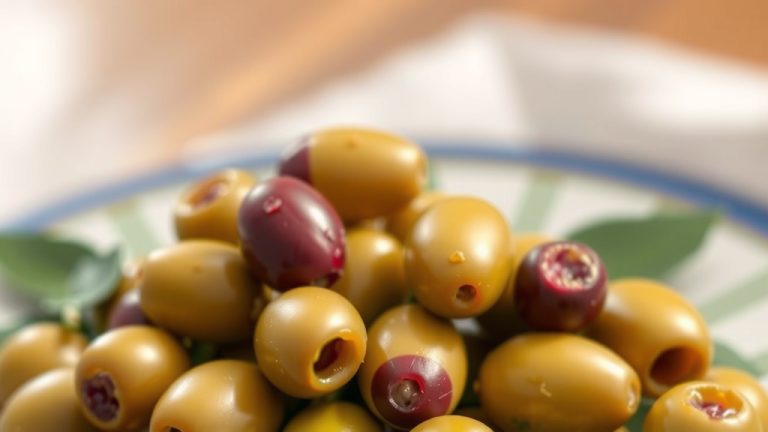
Olives aren’t just picked when they look pretty. They’re usually harvested when they start to change color. This might be from bright green to a purplish hue. This is when their oil content and flavor compounds are at their peak. Producers aim for this sweet spot, often between October and December. It’s a race against time and the weather!
Harvesting Methods
How the olives get off the tree matters. Many small Italian producers still prefer hand-picking. This method is gentle. It ensures each olive is perfect and undamaged. It’s labor-intensive, of course. But for high-quality oils, it’s often worth the effort.
For larger operations, mechanical harvesters are used. These machines shake the trees or use rakes to gather the olives. We found that even with mechanical methods, care is taken to minimize damage to the fruit. The goal is always to get the olives to the mill quickly. This preserves their freshness.
The Transformation: Milling the Olives
Once harvested, the olives go straight to the mill, or “frantoio.” This is where the transformation into oil begins. Speed is critical here. Olives are perishable. They need to be processed within hours of being picked.
Washing and Crushing
First, the olives are washed. This removes any dirt, leaves, or twigs. Then comes the crushing. Traditionally, this was done with large stone mills. We found that while some artisan producers still use stone mills, most modern mills use hammer crushers or disc crushers. These machines break the olives into a thick paste. This paste contains the oil, water, and solid parts of the olive.
Malaxation: The Gentle Stirring
This paste then goes into a malaxer. Think of it as a giant mixer. It slowly stirs the olive paste. This process is called malaxation. It helps the tiny oil droplets within the paste to come together. They form larger droplets. This makes it easier to extract the oil later. Malaxation times can vary. It often takes between 20 to 40 minutes. Too much time or too high a temperature can damage the oil’s flavor. Many experts say keeping the temperature below 27°C (80°F) is key for maintaining quality (NCBI).
Separating the Oil: Extraction Methods
This is where the oil is finally separated from the rest of the olive paste. There are a couple of ways this is done.
Centrifugal Separation
Today, most Italian mills use centrifuges. This is a fast and efficient method. The olive paste is spun at high speeds. This separates the oil from the water and the solid pulp. There are two main types of centrifuges used: two-phase and three-phase systems. Many producers prefer the two-phase system. They believe it results in a higher quality oil with fewer defects. This is because it produces less water, which can lead to spoilage.
Traditional Pressing (Less Common Now)
Older methods involved hydraulic presses. The olive paste was spread onto fibrous mats. These mats were then stacked and pressed. This squeezed out the oil and water. While historic, this method is less common now. It’s slower and can be harder to maintain consistent quality. We found that many smaller, traditional producers might still use this. But modern methods dominate the industry.
Finishing Touches: Filtering and Bottling
The oil that comes out of the centrifuge or press isn’t quite ready yet. A few more steps ensure you get the best possible product.
Filtering for Purity
After extraction, the olive oil often contains small particles of olive pulp and water. These can cause the oil to degrade over time. Filtering removes these impurities. It results in a clearer, more stable oil. Some producers choose not to filter. They believe it retains more flavor. However, unfiltered oils have a shorter shelf life. For the most part, Italian producers filter their oil to ensure freshness. They use specialized filters made of cotton or cellulose.
The Bottling Process
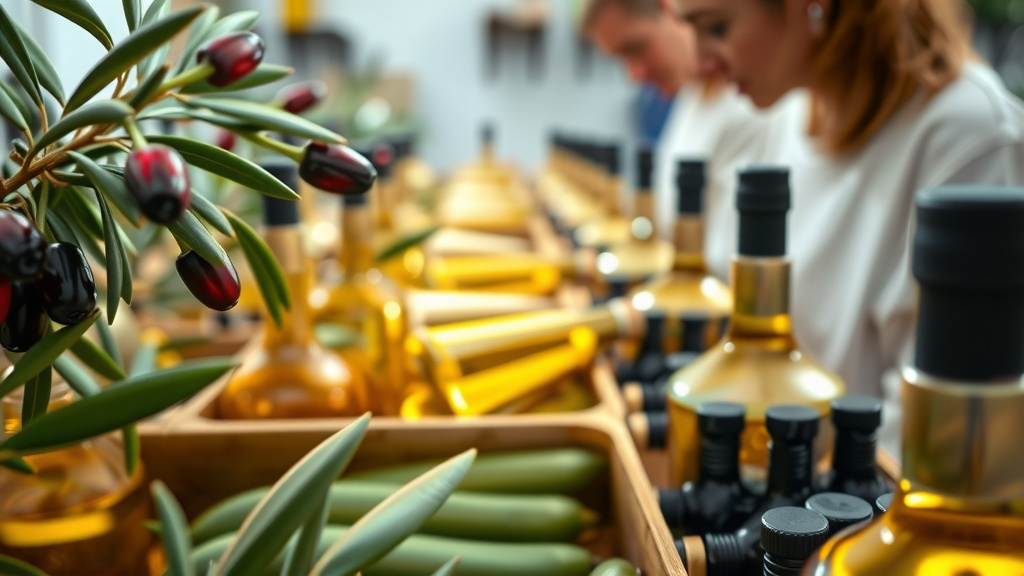
The final step is bottling. Olive oil is sensitive to light and air. These can cause it to oxidize and lose flavor. Therefore, producers use dark glass bottles or tins. This protects the oil. The bottling process is done carefully. It’s usually in a controlled environment to prevent oxidation. Once bottled, it’s ready to be shipped. It’s ready to make its way to your kitchen!
What Makes Italian Olive Oil Special?
Italy’s olive oil production is famous for many reasons. It’s more than just the process. It’s about the dedication to quality and tradition.
Regional Diversity and Varietals
Italy boasts an incredible variety of olive trees. We found research indicating over 500 different native olive varietals. Each region has its favorites. For example, olives like Frantoio and Leccino are common in Tuscany. Puglia is known for its Coratina and Ogliarola olives. This regional focus means each oil has a unique flavor profile. It reflects the specific soil, climate, and care given to the trees. This is what Italians call “terroir.”
Quality Standards
The European Union has strict regulations for olive oil. Extra virgin olive oil (EVOO) must meet specific chemical and sensory standards. Italian producers often go above and beyond these requirements. Many strive for certifications like DOP (Protected Designation of Origin). This guarantees the oil comes from a specific region and is made using traditional methods. You’ll often see these labels on high-quality Italian oils.
A Checklist for Great Italian Olive Oil
Here’s a quick rundown of what goes into making that amazing Italian olive oil you love:
- Timing the harvest perfectly for peak flavor.
- Using gentle harvesting methods like hand-picking.
- Quickly processing olives at a clean, modern mill.
- Careful malaxation to bring out the best oil.
- Efficient separation, often with centrifuges.
- Filtering to ensure stability and purity.
- Proper bottling to protect from light and air.
Conclusion
You’ve seen how Italian olive oil production is a journey of care and tradition. From the careful timing of the harvest to the final bottling, each step ensures quality. Producers blend age-old methods with modern techniques. This dedication results in the distinct flavors you love. Now that you understand the process, you can appreciate your next bottle even more. Look for regional varietals on your next grocery trip and taste the difference true Italian craftsmanship makes.
Frequently Asked Questions
How soon after picking are olives processed?
It’s critical to process olives quickly after harvest, ideally within 24 hours. This rapid processing prevents fermentation and preserves the fresh, fruity flavors of the oil. Producers aim to get olives from the tree to the mill as fast as possible.
What’s the difference between traditional stone mills and modern crushers?
Traditional stone mills use heavy stones to slowly crush olives into a paste. Modern mills often use hammer or disc crushers, which are faster and more efficient. While stone mills can impart a rustic quality, modern methods allow for greater control over temperature and consistency.
Why is malaxation temperature important for olive oil quality?
Malaxation, the slow mixing of olive paste, helps oil droplets coalesce. Keeping this process below 27°C (80°F) is vital. Higher temperatures can degrade the oil’s delicate aromas and flavors, leading to a less desirable product.
What does “terroir” mean for Italian olive oil?
“Terroir” refers to how the environment influences the olive oil’s taste. This includes factors like the soil, climate, and specific olive varietals grown in a particular region of Italy. It’s why Tuscan olive oil tastes different from Puglian olive oil.
Are all Italian olive oils extra virgin?
No, not all Italian olive oils are extra virgin. Extra virgin olive oil (EVOO) is the highest grade, produced with minimal acidity and perfect flavor. Other grades, like virgin or just “olive oil,” may have undergone more processing or have a less pure flavor profile.

![7 Best Foods Mayonnaise With Olive Oil Review [2026]](https://bestpureessentialoils.com/wp-content/uploads/2026/08/7-best-foods-mayonnaise-with-olive-oil-review-2026-featured-768x432.jpg)
![7 Best Olive Oil At Costco [2026]](https://bestpureessentialoils.com/wp-content/uploads/2026/07/7-best-olive-oil-at-costco-2026-featured-768x432.jpg)
![7 Best Extra Virgin Olive Oil Whole Foods [2026]](https://bestpureessentialoils.com/wp-content/uploads/2026/08/7-best-extra-virgin-olive-oil-whole-foods-2026-featured-768x432.jpg)