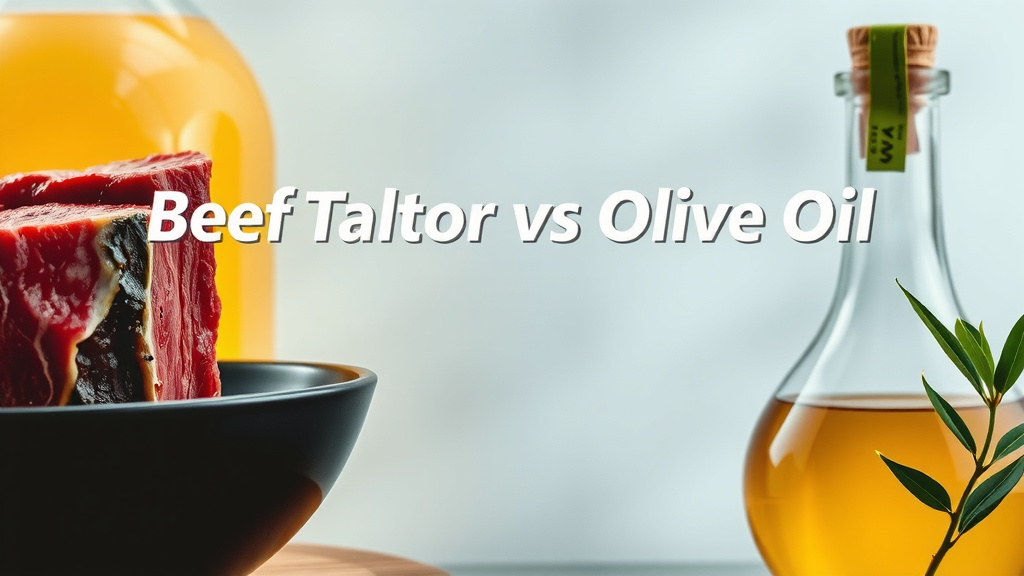
Beef Tallow vs Olive Oil: Which is Best for Cooking
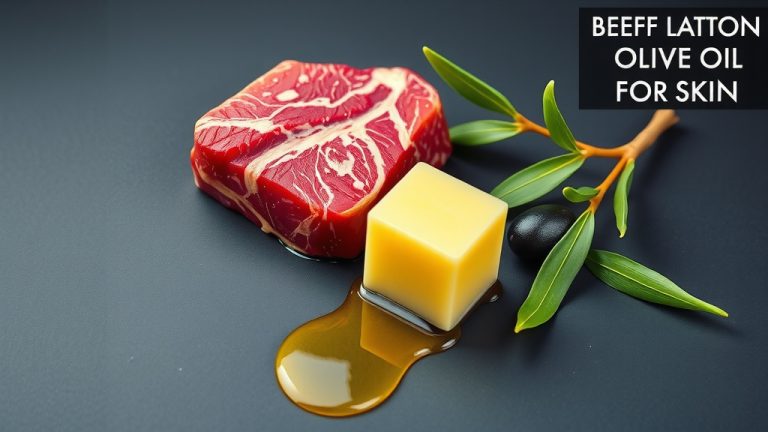
When deciding between beef tallow and olive oil for cooking, beef tallow is generally better for high-heat searing and frying. This is because it has a higher smoke point. Olive oil, especially extra virgin, is best for lower-heat cooking and finishing dishes. We found that their flavor profiles also differ greatly. Tallow offers a rich, savory taste. Olive oil provides a fruity, sometimes peppery note.
Understanding the smoke point of your cooking fat is key. This is the temperature at which it starts to burn and produce smoke. Burning fats can create unhealthy compounds. Both beef tallow and olive oil have different ideal uses in your kitchen. We researched many cooking applications for both. Many culinary professionals agree that choosing the right fat impacts flavor and health.
- Beef tallow has a higher smoke point than most olive oils.
- Tallow is great for searing meats and frying.
- Olive oil is ideal for dressings, sautés, and finishing.
- Consider flavor when making your choice.
- Smoke points matter for healthy cooking.
Let’s dive into the details of each to help you make the best choice for your cooking needs.
Beef Fat vs. Olive Oil: Making the Right Choice for Your Kitchen
When you’re standing in front of the stove, the fat you choose can make a big difference. We’ve looked into beef tallow and olive oil. They both have unique qualities that suit different cooking methods. Think of them like your kitchen’s dynamic duo, but with different jobs. One loves the heat, the other prefers a gentler approach.
Understanding Cooking Fats: Smoke Points and Flavor
The biggest factor separating these two fats is their smoke point. This is simply the temperature at which a fat starts to break down and smoke. When fat smokes, it can affect the taste of your food. It can also create compounds that aren’t ideal for your health. We found that knowing this temperature helps you pick the right fat for the job.
Beef Tallow: The High-Heat Champion
Beef tallow is rendered beef fat. It has been used for cooking for centuries. It’s known for its ability to handle high temperatures. This makes it a fantastic choice for certain cooking tasks. Many home cooks and chefs alike rely on its stability.
What is Beef Tallow’s Smoke Point?
Research shows that beef tallow generally has a smoke point between 400°F and 420°F (204°C – 216°C). This is quite high. It means you can heat it up significantly before it starts to smoke or break down. This stability is key for cooking methods that require intense heat.
Best Uses for Beef Tallow
Because of its high smoke point, tallow excels in a few areas.
- Searing Meats: Get that perfect crust on your steaks, burgers, or roasts. Tallow can handle the heat needed for a beautiful Maillard reaction.
- Frying: Whether you’re making french fries, fried chicken, or donuts, tallow is a traditional and effective choice. It can help create a wonderfully crispy exterior.
- Roasting: Toss your vegetables or meats in tallow before they go into a hot oven. It adds a delicious richness.
The Flavor of Tallow
Tallow has a distinct flavor. It’s savory and rich. This can complement many dishes, especially beef or other meats. Some people describe it as having a “beefy” taste. This isn’t overpowering, but it adds a certain depth. You might find it enhances the natural flavors of your ingredients. It’s a fat that truly contributes to the overall taste profile of a dish.
Olive Oil: The Versatile Kitchen Staple
Olive oil comes from olives. It’s a cornerstone of many cuisines, particularly Mediterranean. It’s celebrated for its health benefits and diverse flavor profiles. However, not all olive oils are created equal when it comes to heat.
Smoke Points of Different Olive Oils
This is where it gets a bit more nuanced. Olive oil’s smoke point varies greatly by type.
- Extra Virgin Olive Oil (EVOO): This is the least processed type. It typically has a lower smoke point, around 325°F to 375°F (163°C – 190°C). It’s prized for its flavor but is best for low-heat cooking.
- Virgin Olive Oil: Slightly more processed than EVOO, its smoke point is similar.
- Pure or “Light” Olive Oil: These have been refined. They have higher smoke points, often around 400°F to 470°F (204°C – 243°C). This makes them more suitable for higher heat than EVOO.
Best Uses for Olive Oil
Given its varying smoke points, olive oil shines in different applications.
- Salad Dressings: EVOO is perfect here. Its fresh flavor is a key component of a vinaigrette.
- Finishing Dishes: A drizzle of EVOO over pasta, soup, or grilled vegetables adds a burst of flavor and a lovely sheen.
- Low-Heat Sautéing: For gentle cooking of vegetables or aromatics, EVOO works well.
- Baking: Many recipes call for olive oil as a fat source. Its flavor can be a nice addition to breads or cakes.
- Medium-Heat Cooking: If you’re using a “pure” or “light” olive oil, you can use it for pan-frying or roasting at moderate temperatures.
The Flavor of Olive Oil
Olive oil’s flavor is diverse. It can range from buttery and mild to intensely fruity and peppery. EVOO often has herbal notes. It can sometimes leave a pleasant tingling or peppery sensation in your throat. This complexity is what makes it so popular. It adds a bright, fresh quality to food. Less refined oils tend to have milder flavors.
A Quick Comparison Chart
To help you see the differences at a glance, here’s a simple comparison:
| Feature | Beef Tallow | Olive Oil (EVOO) | Olive Oil (Light/Refined) |
|---|---|---|---|
| Smoke Point | 400°F – 420°F (204°C – 216°C) | 325°F – 375°F (163°C – 190°C) | 400°F – 470°F (204°C – 243°C) |
| Primary Use | High-heat searing, frying, roasting | Dressings, low-heat sautéing, finishing | General cooking, sautéing, baking, roasting |
| Flavor | Rich, savory, slightly beefy | Fruity, grassy, peppery | Mild, neutral |
| Health Considerations | High in saturated fat. Use in moderation. | Rich in monounsaturated fats, antioxidants. | Good source of monounsaturated fats. Lower in antioxidants than EVOO. |
Making Your Choice: A Simple Checklist
Not sure which fat to reach for? Here’s a quick guide to help you decide:
- Are you searing a steak? Tallow is your friend.
- Making a salad dressing? Grab that EVOO.
- Pan-frying chicken at medium-high heat? Tallow or refined olive oil will work best.
- Want to finish your pasta with a little something special? Drizzle EVOO.
- Roasting veggies at a high temp? Tallow or refined olive oil is a good bet.
- Trying to keep it simple and need a neutral oil? A refined olive oil might be your go-to.
Conclusion
You’ve learned that beef tallow and olive oil are both fantastic cooking fats, but they shine in different situations. Tallow is your go-to for high-heat searing and frying, thanks to its impressive smoke point and rich flavor. Olive oil, especially extra virgin, is perfect for finishing dishes, salad dressings, and gentle sautéing, where its vibrant taste can truly be appreciated. By considering the smoke point and flavor profile of each, you can confidently choose the right fat to enhance your cooking. Next time you’re in the kitchen, let this knowledge guide you to delicious results!
Frequently Asked Questions
Can I use beef tallow for baking?
You can use beef tallow for baking, especially in recipes where a rich flavor is desired, like pie crusts or certain breads. Its flavor is savory, so it might not be ideal for very sweet baked goods unless you’re aiming for a unique taste profile.
Is olive oil healthy for high-heat cooking?
Extra virgin olive oil is not recommended for high-heat cooking because its smoke point is too low. Refined or “light” olive oils have higher smoke points and can be used for medium-high heat cooking, but always check the label to be sure.
Which fat is better for heart health?
Olive oil, particularly extra virgin, is generally considered better for heart health due to its high content of monounsaturated fats and antioxidants. Beef tallow is higher in saturated fat, so it’s best used in moderation as part of a balanced diet.
Can I substitute olive oil for beef tallow in a recipe?
Substituting depends on the recipe. For high-heat applications like searing or deep-frying, olive oil might not perform as well. For lower-heat cooking or dressings, olive oil can be a good substitute for tallow, but expect a difference in flavor.
How do I store beef tallow and olive oil?
Beef tallow should be stored in an airtight container in a cool, dark place; it can last for a very long time. Olive oil, especially extra virgin, should also be stored in a cool, dark place in a tightly sealed bottle, away from heat and light to preserve its quality and flavor.

![7 Best Medicinal Olive Oil [2026]](https://bestpureessentialoils.com/wp-content/uploads/2026/09/7-best-medicinal-olive-oil-2026-featured-768x432.jpg)
![7 Best Olive Oil To Drink [2026]](https://bestpureessentialoils.com/wp-content/uploads/2026/07/7-best-olive-oil-to-drink-2026-featured-768x432.jpg)
![7 Best Extra Virgin Olive Oil At Walmart [2026]](https://bestpureessentialoils.com/wp-content/uploads/2026/08/7-best-extra-virgin-olive-oil-at-walmart-2026-featured-768x432.jpg)