How to Know If Olive Oil Is Good Quality
Knowing if olive oil is good quality is simpler than you think. You can tell by looking for specific labels, checking the harvest date, and even by its color and aroma. Good quality olive oil, often labeled “Extra Virgin,” offers the best flavor and health benefits.
It’s important to choose wisely because not all olive oil is created equal. Lower quality oils might be blended or processed in ways that reduce their taste and nutritional value. We found that paying attention to a few key details can make a big difference in your cooking and your health.
- Look for “Extra Virgin” labeling.
- Check for a harvest or bottling date.
- Note the oil’s color and smell.
- Consider where it was produced.
- Price can be an indicator, but not always.
Let’s walk through exactly how to spot the good stuff, so you can stop second-guessing your oil choice.
Spotting High-Quality Olive Oil: A Simple Guide
Choosing good olive oil might seem tricky. You want the best flavor and health benefits for your meals. Fortunately, you don’t need to be a sommelier. We found that focusing on a few key details makes a big difference. Let’s break down how to pick a truly great bottle.
Deciphering the Label: Your First Clue
The label is your best friend when buying olive oil. It tells you a lot about what’s inside. Always look for specific terms to ensure you’re getting the good stuff.
“Extra Virgin” is King
This is the **gold standard** for olive oil. Extra Virgin Olive Oil (EVOO) is the least processed and has the lowest acidity. It’s made from pure, cold-pressed olives. This means it retains the most natural flavor, aroma, and beneficial compounds. Many experts suggest that EVOO is superior for both taste and health (NCBI).
What “Extra Virgin” Really Means
For an oil to be labeled “Extra Virgin,” it must meet strict chemical and sensory standards. Its free fatty acidity cannot be more than 0.8%. It also must have a pleasing taste and aroma, with no defects. This rigorous grading process helps ensure quality.
Beyond “Virgin” and “Pure”
You might see other labels like “Virgin” or “Pure” olive oil. Virgin olive oil is also unrefined but has slightly higher acidity (up to 2%). “Pure” or “Light” olive oil is often a blend of refined oils and some virgin oil. These are generally not as flavorful or healthy as EVOO. We found these terms often signal lower quality.
Checking the Date: Freshness Matters
Olive oil doesn’t get better with age. Like fine wine, it has a shelf life. Checking the date on the bottle is essential for freshness.
The Importance of Harvest Date
Look for a **harvest date** on the bottle. This tells you when the olives were pressed. The more recent, the better. Oils with a harvest date are usually fresher. If you can’t find a harvest date, look for a “best by” or “use by” date. Aim for a date as far in the future as possible.
Why Dates Are Crucial
Olive oil degrades over time, especially when exposed to light and heat. A recent harvest date means the oil is likely to have a vibrant flavor and more antioxidants. We found that oils bottled over a year ago might have lost some of their peak quality.
Bottling Date vs. Harvest Date
A bottling date is better than no date at all. However, a harvest date gives you more insight into the oil’s actual freshness. If a brand only provides a “best by” date, it might be trying to hide the age of the oil. Many producers are transparent about their harvest dates.
Sensory Clues: What to See and Smell
Your senses can tell you a lot about olive oil quality. Don’t be afraid to use them!
Color: A Varied Indicator
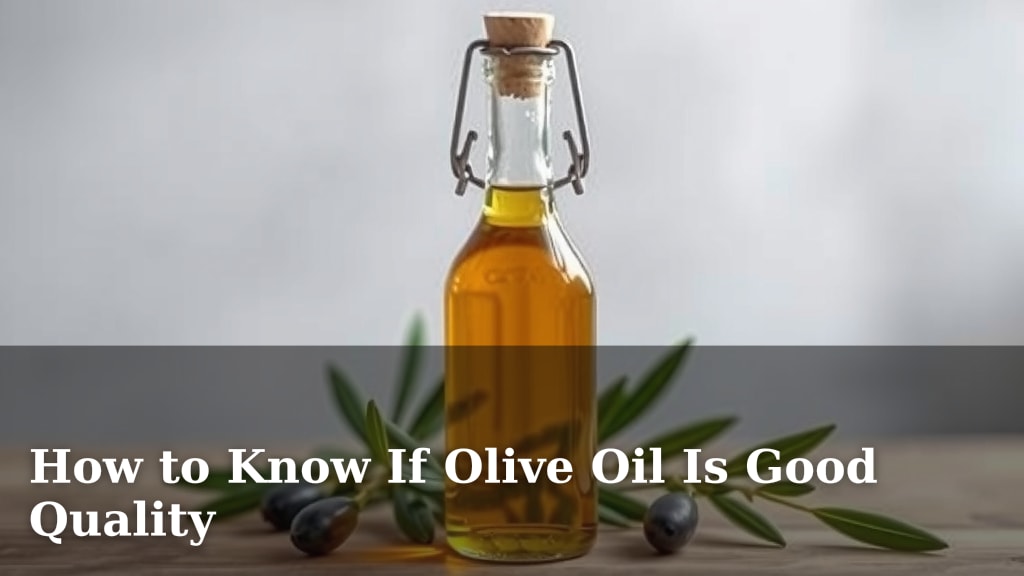
Olive oil color can range from vibrant green to golden yellow. This variation depends on the ripeness of the olives and the type of olives used. A deep green color often suggests a high concentration of chlorophyll and antioxidants. However, color alone isn’t a definitive sign of quality. Some excellent oils are golden.
A Note on Green vs. Yellow
Don’t let a pale yellow color fool you into thinking an oil is bad. Likewise, a brilliant green doesn’t automatically mean it’s superior. Many studies show that the concentration of polyphenols, which are health compounds, can vary widely regardless of color (Cleveland Clinic). It’s more about the presence of other qualities.
Aroma: The True Test of Freshness
This is where you can really tell. A good quality olive oil should have a **fresh, fruity aroma**. It might smell like fresh-cut grass, herbs, or green apples. If the oil smells musty, rancid, like crayons, or like old nuts, it’s likely past its prime or was poorly made. This is a key indicator we found is often overlooked.
What to Avoid Smelling
A “burnt” or “waxy” smell is a bad sign. So is anything that reminds you of stale nuts or putty. These off-odors typically indicate oxidation or defects in the oil. Trust your nose – it’s a powerful tool for assessing freshness.
Origin and Price: Additional Considerations
Where your olive oil comes from and how much it costs can offer more clues.
Knowing the Origin Story
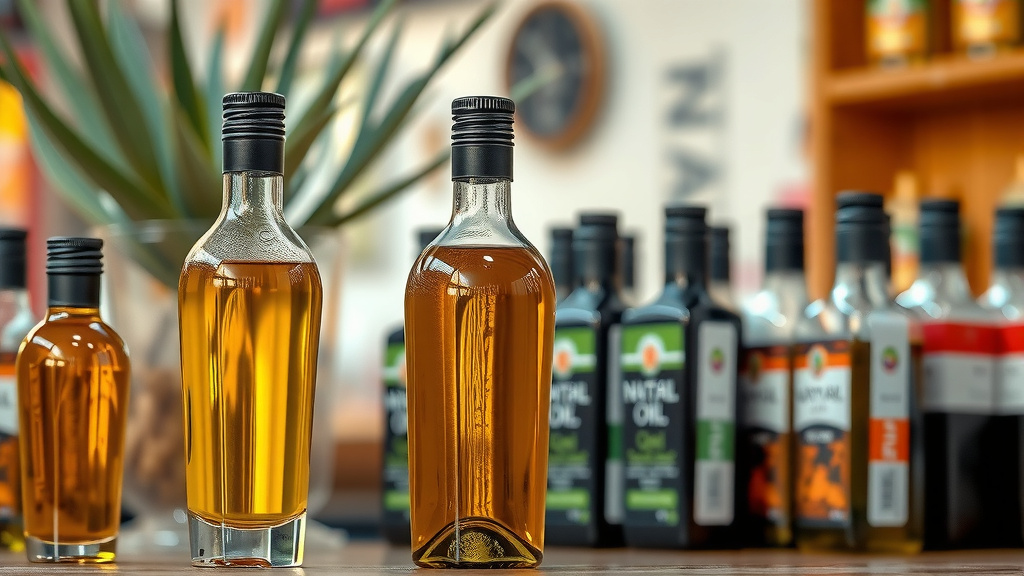
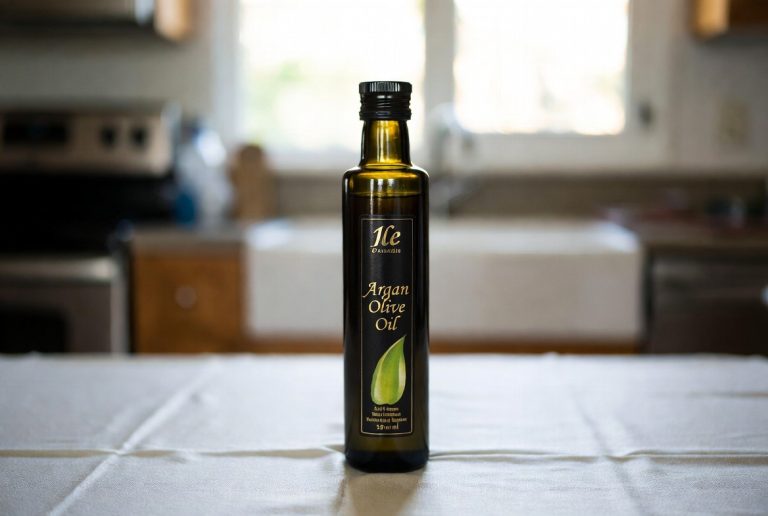
Many top-quality olive oils come from specific regions known for olive cultivation, like Italy, Spain, Greece, or California. Look for bottles that specify the country of origin, and ideally, a specific estate or region. This traceability often indicates a producer who cares about their product.
Price as a Guide (But Not a Rule)
Generally, good quality extra virgin olive oil costs more to produce. Lower prices can sometimes mean the oil isn’t truly EVOO or that quality standards were compromised. However, a high price tag doesn’t guarantee quality. We found that very cheap bottles are often a red flag, but expensive bottles can sometimes disappoint.
Quick Checklist for Smart Shopping
Here’s a quick rundown to help you choose wisely on your next shopping trip:
- Look for “Extra Virgin” – It’s the highest grade.
- Check the Harvest Date – Fresher is always better.
- Smell the Oil (if possible) – Fresh, fruity aromas are good.
- Note the Origin – Specific regions often mean better quality.
- Consider the Price – Extremely cheap oils are usually lower quality.
Conclusion
You now have the tools to confidently select high-quality olive oil. By checking labels for “Extra Virgin,” looking closely at harvest dates, and trusting your senses with its aroma, you’re well on your way. Remember, the origin and even the price can offer further clues. Don’t let confusing bottles deter you. Start incorporating these simple checks on your next grocery run to ensure you’re bringing home the best flavor and health benefits for your kitchen. Your meals will thank you!
Frequently Asked Questions
Can I tell if olive oil is good just by looking at its color?
While color can offer hints, it’s not a definitive sign of quality on its own. A vibrant green might suggest more antioxidants, but even golden oils can be excellent. You should rely more on the harvest date and aroma as primary indicators of freshness and quality.
Is it okay to buy olive oil without a harvest date?
It’s best to avoid olive oil without a harvest date if possible. A harvest date tells you how fresh the oil is, which is key to its flavor and health benefits. If only a “best by” date is available, choose one that’s as far in the future as possible, but a harvest date is always preferred.
What does it mean if my olive oil smells like crayons or putty?
If your olive oil has a smell reminiscent of crayons, putty, or rancid nuts, it’s a strong sign that the oil is old, has been exposed to too much light or heat, or has defects. This “off-odor” indicates the oil is past its prime and likely won’t taste good.
Are more expensive olive oils always better quality?
Not necessarily. While very cheap olive oil is often a sign of lower quality, a high price tag doesn’t automatically guarantee superior taste or purity. Always use the other indicators, like the “Extra Virgin” label and harvest date, to make your decision, regardless of the price.
Where is the best place to store my good quality olive oil?
To maintain its quality, store your olive oil in a cool, dark place, away from heat and direct sunlight. A pantry or a dark cupboard is ideal. Keeping it in its original dark glass bottle helps protect it from light, preserving its freshness and flavor for longer.

![7 Best Greek Olive Oil Reddit [2026]](https://bestpureessentialoils.com/wp-content/uploads/2026/08/7-best-greek-olive-oil-reddit-2026-featured-768x432.jpg)