Argan Oil vs Olive Oil for Skin: The Complete Battle for Perfect Radiance
Have you ever stood in front of your bathroom mirror, staring at two bottles of golden liquid, wondering which one would transform your skin? You’re not alone. The debate between argan oil and olive oil has been heating up in skincare circles for years, and honestly, it’s time we settled this once and for all.
Both oils have earned their place in skincare routines around the world, but they’re far from identical twins. Think of it this way: just because two vehicles have wheels doesn’t mean one isn’t a sports car while the other is a family van. The same applies to these oils. Let’s dive deep into what makes each one tick and figure out which one deserves a permanent spot in your skincare arsenal.
Understanding the Origins: Where Do These Oils Come From?
Before we compare apples to oranges, we need to understand what we’re actually dealing with. Knowledge is power, and in this case, it’s also the key to making an informed decision about your skin.
Argan Oil: The Moroccan Treasure
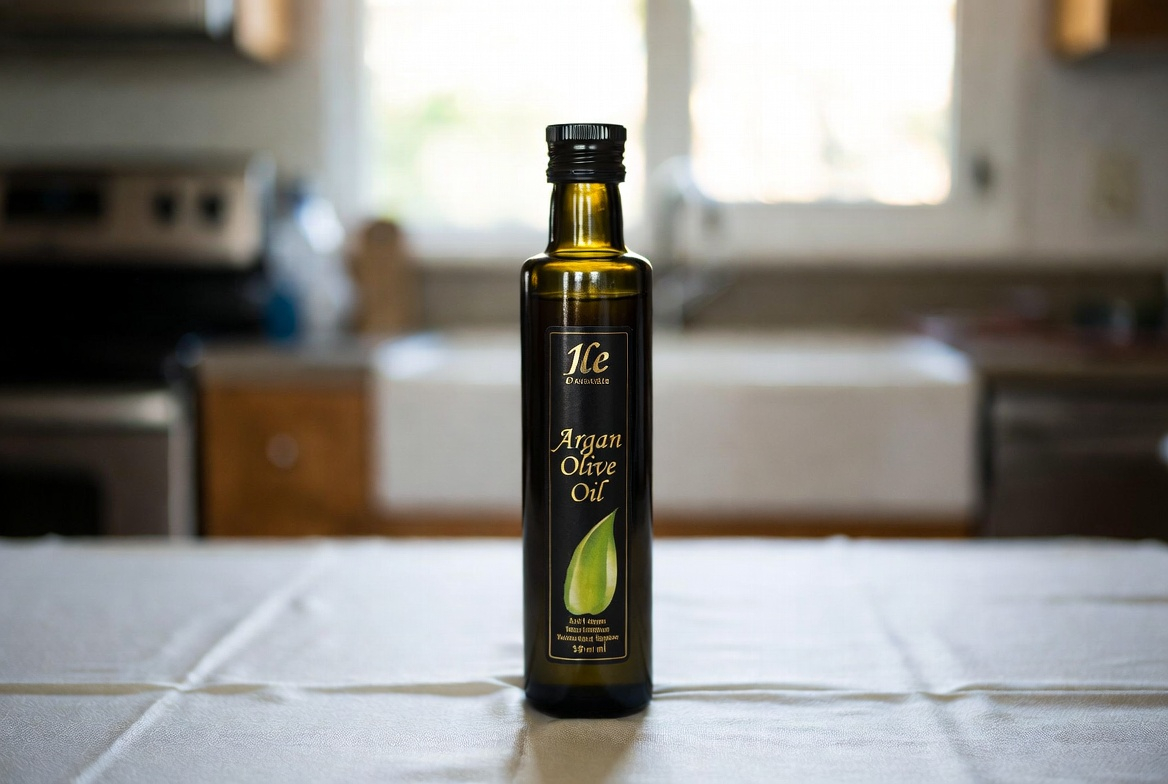
Argan oil comes from the kernels of argan trees that grow exclusively in Morocco. Picture yourself in the sun-baked landscapes of North Africa, where women have been extracting this precious oil for centuries. The process is labor-intensive and traditional, which partly explains why authentic argan oil costs more than olive oil. When you apply argan oil to your skin, you’re essentially using a product that has been trusted for generations in one of the world’s oldest beauty cultures.
Olive Oil: The Mediterranean Classic
Olive oil, on the other hand, comes from the olive fruit and has been a staple in Mediterranean cuisine and skincare for thousands of years. Unlike argan oil, olive oil has a much wider geographical footprint, produced across Spain, Italy, Greece, and beyond. It’s more accessible, more affordable, and yes, more widely available in your local grocery store. But accessibility doesn’t necessarily mean inferiority—it just means you have easier access to a time-tested ingredient.
The Nutritional Breakdown: What’s Inside These Bottles?
This is where things get interesting. Understanding the composition of each oil helps explain why they affect skin differently. Let me break down the science without making your head spin.
Argan Oil’s Powerful Components
Argan oil is like a multivitamin for your skin. Here’s what makes it special:
- Vitamin E content that’s significantly higher than olive oil, making it a powerhouse antioxidant
- Linoleic acid, which strengthens your skin’s natural barrier
- Oleic acid, which penetrates deeply and hydrates from within
- Polyphenols that fight free radicals and reduce inflammation
- Sterols that promote cell regeneration and healing
Think of argan oil as the specialized supplement—it’s concentrated, potent, and designed to target specific skin concerns with precision.
Olive Oil’s Nutrient Profile
Olive oil isn’t lacking in beneficial compounds, but its composition differs from argan oil in important ways:
- Still contains vitamin E, but in lower concentrations
- Rich in oleic acid for deep moisturization
- Contains squalene, which mimics skin’s natural oils
- Packed with polyphenols for antioxidant protection
- Features hydroxytyrosol, a unique compound with anti-inflammatory properties
Olive oil is more like a well-rounded whole food—it delivers multiple benefits but perhaps not with the laser-focused intensity of argan oil.
Texture and Feel: How They Actually Work on Your Skin
Here’s something they don’t always tell you in product descriptions: how an oil feels on your skin matters tremendously. If you hate the experience of applying something, you won’t stick with it, no matter how effective it is.
Argan Oil: Light and Luxurious
One of argan oil’s greatest advantages is its lightweight nature. When you apply it, it doesn’t leave that heavy, greasy feeling that makes you want to wash it off immediately. Instead, it absorbs relatively quickly, leaving your skin feeling silky and nourished without the slick residue. This makes it ideal if you have oily or combination skin, or if you simply prefer products that don’t feel like you’re coating your face in a thick layer of butter.
Olive Oil: Richer and More Occlusive
Olive oil has a heavier, more viscous texture. It creates more of an occlusive barrier on your skin, which means it sits on top longer before fully absorbing. This can be a blessing or a curse depending on your skin type and personal preferences. If you have dry skin, especially in winter, this heavier feel might be exactly what you need. If you have acne-prone skin, however, that heavy residue might leave you feeling uncomfortable.
Absorption Rates: Speed Matters More Than You Think
Have you ever noticed how some products sink into your skin while others just sit there? That’s all about molecular size and how easily the oil integrates with your skin’s structure.
Argan Oil’s Superior Penetration
Argan oil wins the absorption race, thanks to its ideal molecular composition. It penetrates relatively quickly, delivering its nutrients deeper into the epidermis and dermis layers where they can really make a difference. This faster absorption is why many people prefer argan oil for daytime use—you’re not walking around with shiny skin an hour after application.
Olive Oil’s Slower Journey
Olive oil takes a more leisurely pace through your skin’s layers. While this isn’t necessarily bad, it means the oil sits on your skin surface longer, creating that barrier effect we mentioned. This characteristic makes it better suited for nighttime routines or for people who don’t mind the richer feel and are willing to wait for it to absorb.
Skin Type Compatibility: Finding Your Perfect Match
Not all skin is created equal, and what works beautifully for your friend might make your skin throw a tantrum. Let’s match each oil to specific skin types.
For Oily and Acne-Prone Skin
If you struggle with excess sebum and breakouts, argan oil is generally your better choice. Its lightweight nature and faster absorption mean you’re less likely to clog pores. Additionally, argan oil contains compounds that can help regulate sebum production, potentially reducing those annoying breakouts. However, olive oil might be too heavy and could exacerbate oiliness in prone individuals.
For Dry and Sensitive Skin
Here’s where olive oil makes a strong case. Its heavier, more occlusive nature creates an excellent moisture barrier, preventing water loss from your skin. If you have sensitive skin, olive oil’s proven track record and gentler reputation might make you feel more confident using it. That said, argan oil works wonderfully for dry skin too—it just requires less product and might feel less luxurious to some people.
For Combination Skin
If your skin is the definition of “it’s complicated,” argan oil is probably your best bet. You can use it all over without worrying about making your T-zone an oil slick, and it addresses both dry and oily zones without tipping the scales too far in either direction.
For Mature and Aging Skin
Both oils excel here, but for different reasons. Argan oil’s higher vitamin E content and potent antioxidants make it particularly effective for fighting visible signs of aging. Olive oil’s squalene content helps plump and nourish aging skin. Choose based on whether you prefer the lightweight approach (argan) or the more intensive moisturizing approach (olive).
Specific Skin Concerns: Targeted Benefits
Beyond general skin types, let’s talk about specific issues these oils can address.
Fighting Wrinkles and Fine Lines
Both oils contain antioxidants that fight free radical damage, one of the primary causes of premature aging. However, argan oil’s superior vitamin E content and concentration of anti-aging compounds give it a slight edge in the wrinkle-fighting department. If anti-aging is your primary concern, argan oil deserves serious consideration.
Calming Inflammation and Redness
Olive oil’s polyphenols and unique hydroxytyrosol compound make it particularly effective for calming inflamed skin. If you suffer from conditions like rosacea or general redness, olive oil might soothe your skin better than argan oil. That said, argan oil’s anti-inflammatory properties shouldn’t be dismissed—they’re just slightly less pronounced.
Addressing Hyperpigmentation
Neither oil is a miracle worker for dark spots, but argan oil’s vitamin E and antioxidants can help prevent further damage and support even skin tone over time. Olive oil offers similar benefits, though perhaps with less intensity. For hyperpigmentation, combining either oil with other targeted treatments typically yields better results than using the oil alone.
Improving Skin Elasticity
If you want skin that bounces back, argan oil’s linoleic acid and sterols work to strengthen skin structure and improve elasticity. Olive oil helps too, but argan oil’s specific composition makes it slightly more targeted for this particular benefit.
Price Point and Value: What Are You Actually Paying For?
Let’s be honest—budget matters for most of us. When you’re standing at the store deciding between two oils, price is a real factor.
Argan Oil: Premium Pricing Explained
Quality argan oil costs significantly more than olive oil, sometimes three to five times as much. But before you dismiss it as overpriced, consider why. The argan tree grows only in Morocco, production is labor-intensive and often done by hand, and the yield is relatively low. Plus, pure argan oil is more concentrated, meaning you need less product per application. Sometimes the higher upfront cost actually translates to better value because the bottle lasts longer.
Olive Oil: Budget-Friendly Without Sacrifice
Olive oil is significantly cheaper, and that doesn’t mean it’s inferior. You can find high-quality, pure olive oil at a fraction of what you’d pay for argan oil. If you’re on a tight budget or prefer to use more product per application, olive oil offers legitimate benefits at a price point that doesn’t require you to take out a loan.
Purity and Quality Concerns: Not All Oils Are Created Equal
Here’s something crucial that many people overlook: the quality of what you’re actually buying matters enormously.
Argan Oil Quality Issues
Because argan oil is trendy and expensive, it’s become a target for counterfeiters and companies cutting corners. Many products labeled as “argan oil” are actually diluted with cheaper oils. When shopping for argan oil, look for certifications, pure single-ingredient bottles, and reputable sellers. The color should be golden amber, not clear or overly dark. Price is a clue too—if argan oil seems suspiciously cheap, it probably isn’t authentic.
Olive Oil Quality Standards
Olive oil has more established standards and labeling regulations, making it easier to find genuine products. Look for “extra virgin” on the label for the highest quality option with maximum nutrient retention. Cold-pressed and first-pressed are also good indicators of quality. Since olive oil is more widely produced and regulated, you have more control over ensuring you’re getting the real deal.
How to Use Each Oil Properly: Application Matters
Knowing which oil to choose is only half the battle. How you use it determines whether you’ll see real results or end up disappointed.
Best Practices for Argan Oil
Because argan oil is concentrated and lightweight, a little goes a long way. Apply just a few drops to clean, slightly damp skin. The moisture helps distribute the oil evenly and allows better absorption. You can use it morning and night, but many people prefer morning application because it won’t leave them feeling greasy. Let it absorb for a minute or two before applying other products or makeup.
Best Practices for Olive Oil
Olive oil works best applied to damp skin at night, allowing the heavier texture to do its moisturizing work while you sleep. If you want to use it during the day, apply less product and give it plenty of time to absorb before getting dressed. Some people prefer mixing a drop or two into their regular moisturizer rather than using it alone, which helps distribute the oil more evenly and reduces the heavy feeling.
Layering Strategies
Both oils work well as the last step in your skincare routine, sealing in all your other products. You can also mix a drop into your favorite serum or moisturizer for added benefits. Avoid applying either oil over acne-fighting actives like retinoids or vitamin C without allowing those products to fully set first, as oils can create a barrier that reduces their effectiveness.
Potential Side Effects and Precautions
While oils are generally safe, some people experience issues. It’s worth knowing what to watch out for.
When Argan Oil Causes Problems
Some people experience breakouts when using argan oil, usually those with very acne-prone skin. This is more likely if the product isn’t pure or if too much product is being used. Allergic reactions are rare but possible. If you develop redness, itching, or worsening breakouts, discontinue use. Patch test any new argan oil on a small area before committing to full-face application.
When Olive Oil Becomes Problematic
Olive oil’s heavier nature means it’s more likely to cause breakouts in acne-prone individuals. Some people also find it leaves their skin feeling uncomfortably slick. Rarely, people with olive allergies might react to topical olive oil. As with argan oil, patch testing is your friend. If you’re sensitive, introducing either oil gradually rather than going all-in helps minimize the risk of irritation.
Environmental and Ethical Considerations
Where your skincare products come from matters, not just for your skin but for the planet.
Argan Oil’s Environmental Impact
Morocco’s argan forests have faced deforestation threats, making sustainable sourcing important. Look for products from companies that work with fair-trade cooperatives and ensure argan farmers are compensated fairly. Reputable brands often partner directly with Moroccan women’s cooperatives, supporting both the environment and local communities. This ethical sourcing typically contributes to the higher price, and honestly, it’s money well spent.
Olive Oil’s Sustainability Story
Olive oil production is more established and regulated, but it still comes with environmental considerations. Look for organic options when possible to avoid pesticides. Some olive oil production can be water-intensive, so choosing products from sustainable farms supports environmental responsibility. The wider distribution network means potentially higher carbon emissions from transportation, though this is offset by the lower production intensity compared to argan oil.
The Verdict: Which Oil Should You Choose?
After all this analysis, you might be hoping for a clear winner, but the truth is more nuanced. The best oil for you depends on your specific skin type, concerns, budget, and preferences.
Choose Argan Oil If:
You have oily, combination,

![7 Best Extra Virgin Olive Oil From Greece [2026]](https://bestpureessentialoils.com/wp-content/uploads/2026/08/7-best-extra-virgin-olive-oil-from-greece-2026-featured-768x432.jpg)