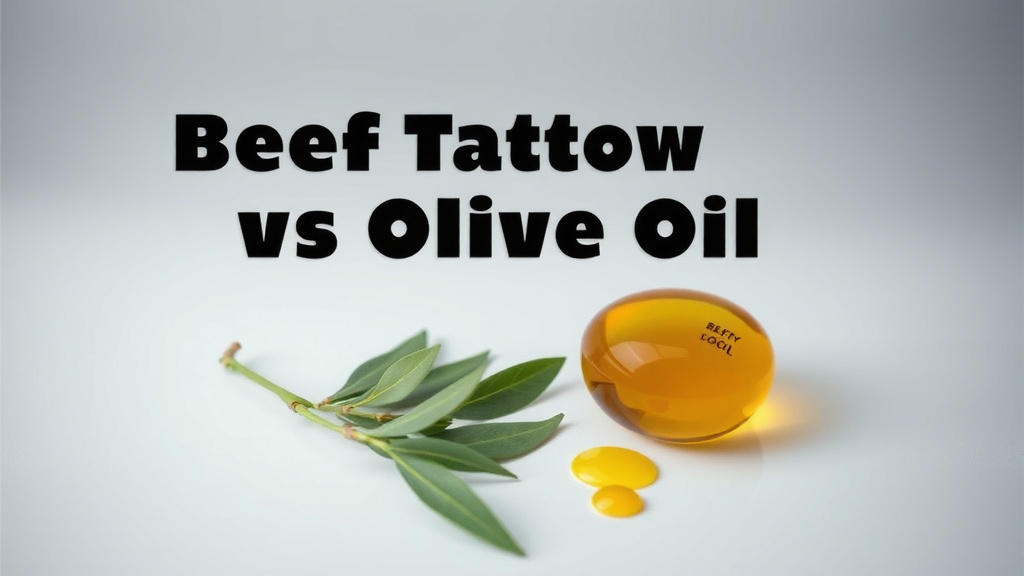
Beef Tallow vs Olive Oil: Calorie Showdown
When comparing beef tallow calories versus olive oil, olive oil generally has fewer calories per tablespoon. While both are healthy fats, they offer different nutritional profiles. Understanding these differences helps you make informed choices for your diet. Beef tallow provides some fat-soluble vitamins, whereas olive oil is rich in monounsaturated fats and antioxidants.
You might be wondering which fat is “better.” The truth is, it depends on your dietary goals and preferences. Both fats can be part of a balanced diet when used in moderation. We’ve looked at how these popular cooking fats stack up calorically and nutritionally.
- Olive oil often has fewer calories per serving than beef tallow.
- Both are healthy fats, but they offer different nutritional benefits.
- Beef tallow contains fat-soluble vitamins like A, D, E, and K.
- Olive oil is praised for its monounsaturated fats and antioxidants.
- Your choice depends on your health goals and cooking style.
Let’s break down the calorie counts and other nutritional details for beef tallow and olive oil so you can see how they compare.
Calorie Comparison: Beef Tallow vs. Olive Oil
You’re curious about the calorie counts of beef tallow and olive oil, and that’s smart! Knowing this helps you manage your intake. We found that olive oil generally has slightly fewer calories per tablespoon than beef tallow.
Let’s look at the numbers. A single tablespoon of olive oil typically contains about 120 calories. Beef tallow, in comparison, usually has around 115 calories per tablespoon. It’s a small difference, but it can add up over time.
Understanding Serving Sizes
When we talk about calories, the serving size matters. Both fats are calorie-dense, meaning a little goes a long way. For cooking and dressing, a tablespoon is a common measure. This is where you’ll see that slight variation.
Why the Difference?
The calorie difference isn’t huge because both are primarily fats. Fats are the most calorie-dense macronutrient. They provide nine calories per gram, compared to four calories per gram for carbohydrates and protein.
The slight variation comes from their different fatty acid profiles. Olive oil is rich in monounsaturated fats. Beef tallow is higher in saturated fats, though it also contains monounsaturated and polyunsaturated fats. These differences affect how your body processes them.
Nutritional Breakdown: Beyond Calories
Calories are just one piece of the puzzle. What else do these fats offer? We found that both beef tallow and olive oil have unique nutritional benefits.
Beef Tallow’s Nutritional Profile
Beef tallow comes from rendered beef fat. It’s a source of certain vitamins. You can find fat-soluble vitamins A, D, E, and K in beef tallow. These vitamins are important for bone health, immune function, and vision (NIH).
It also contains Conjugated Linoleic Acid (CLA). Some research suggests CLA might have health benefits. However, more studies are needed to confirm these effects in humans (NCBI).
Saturated vs. Unsaturated Fats in Tallow
Beef tallow is higher in saturated fat than olive oil. About half of its fat content is saturated. This includes stearic acid, which some studies suggest may have a neutral effect on cholesterol (Mayo Clinic).
The rest is a mix of monounsaturated and polyunsaturated fats. It’s important to consider your overall intake of saturated fats when using tallow regularly.
Olive Oil’s Nutritional Powerhouse
Olive oil, especially extra virgin olive oil, is celebrated for its health benefits. It’s packed with monounsaturated fatty acids, primarily oleic acid. This is the main fat in olive oil. Monounsaturated fats are considered heart-healthy fats.
Olive oil is also loaded with antioxidants. These compounds help protect your body from damage caused by free radicals. Polyphenols and vitamin E are notable antioxidants found in olive oil (Cleveland Clinic).
Extra Virgin vs. Refined Olive Oil
The type of olive oil matters. Extra virgin olive oil (EVOO) is less processed. It retains more of its natural antioxidants and beneficial compounds. Refined or “light” olive oils have fewer of these health perks.
Cooking Applications and Considerations
Your choice between beef tallow and olive oil can also depend on how you plan to use them. They behave differently when heated.
Smoke Points and Stability
The smoke point is the temperature at which a fat starts to break down and smoke. When fats smoke, they can lose nutrients and produce harmful compounds. Beef tallow has a relatively high smoke point, around 400°F (204°C). This makes it good for frying and searing.
Olive oil’s smoke point varies by type. Extra virgin olive oil has a smoke point around 375°F (190°C). Refined olive oil can have a higher smoke point, closer to 470°F (243°C). For most everyday cooking, like sautéing, olive oil is perfectly fine.
Flavor Profiles
Beef tallow has a distinct, savory flavor. It can add a rich taste to roasted meats and fried foods. Some people really enjoy this flavor enhancement.
Olive oil has a milder flavor, especially refined versions. Extra virgin olive oil can have fruity, peppery, or grassy notes. These flavors are wonderful for dressings, finishing dishes, and light sautés.
Making Your Choice: What’s Right for You?
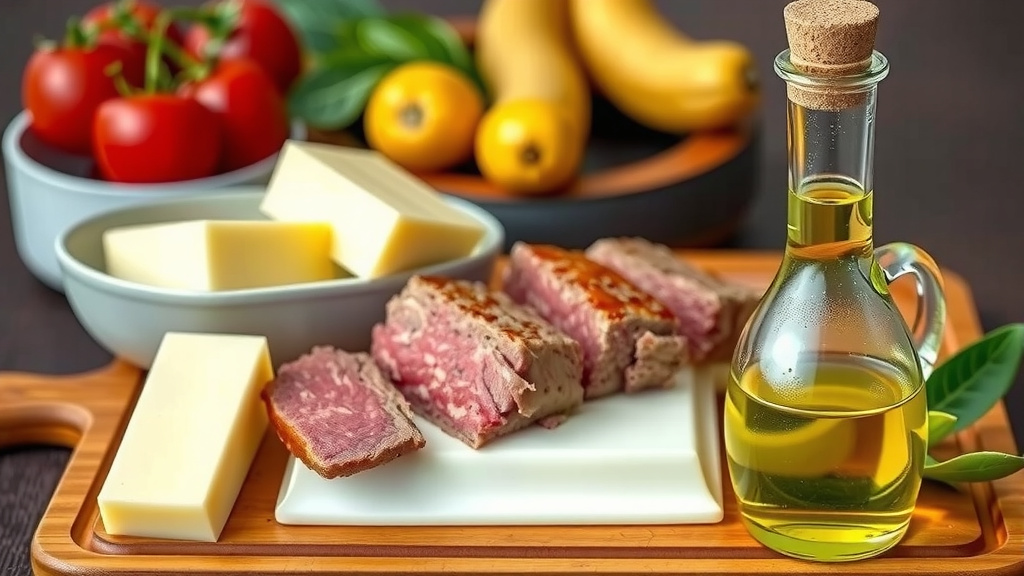
So, how do you decide? It’s not about one being universally “better” than the other. It’s about your personal dietary needs and cooking style.
If you’re watching your saturated fat intake, you might lean towards olive oil more often. If you enjoy the rich flavor and high heat cooking, beef tallow can be a great option in moderation. Many people use both in their kitchen!
Consider your health goals. Are you aiming for more monounsaturated fats and antioxidants? Olive oil shines there. Do you want to incorporate some fat-soluble vitamins and enjoy a specific flavor? Beef tallow could be your pick.
A Quick Comparison Table
Here’s a simple look at how they stack up:
| Feature | Beef Tallow (per Tbsp) | Olive Oil (per Tbsp) |
|---|---|---|
| Calories | ~115 | ~120 |
| Primary Fat Type | Saturated & Monounsaturated | Monounsaturated |
| Key Nutrients | Vitamins A, D, E, K, CLA | Monounsaturated Fats, Antioxidants (Polyphenols, Vitamin E) |
| Smoke Point (approx.) | 400°F (204°C) | 375°F (190°C) – EVOO 470°F (243°C) – Refined |
| Flavor | Rich, Savory | Mild to Fruity/Peppery (EVOO) |
Tips for Using Both
You don’t have to pick just one! Many kitchens benefit from having both on hand. Use them for different purposes:
- For high-heat searing or frying: Beef tallow is a solid choice.
- For salad dressings: Extra virgin olive oil adds great flavor.
- For baking: Both can work, depending on the desired texture and flavor.
- For general sautéing: Either can be used, but be mindful of the smoke point.
- For a flavor boost: Tallow adds richness; EVOO adds fresh notes.
Ultimately, enjoying a balanced diet means understanding the foods you eat. Knowing the calorie and nutritional differences between beef tallow and olive oil helps you make conscious choices for your well-being.
Conclusion
You’ve learned that both beef tallow and olive oil are healthy fats, but they serve different purposes in your kitchen. While olive oil generally has slightly fewer calories per tablespoon and is rich in heart-healthy monounsaturated fats and antioxidants, beef tallow offers fat-soluble vitamins and a higher smoke point for specific cooking needs. Neither is inherently “better”; the best choice depends on your health goals and how you cook. Consider using both to harness their unique benefits and add variety to your meals. Start by incorporating olive oil for dressings and lighter cooking, and use tallow for high-heat searing or to add richness to dishes.
Frequently Asked Questions
Is beef tallow healthier than olive oil for everyday cooking?
For everyday cooking like sautéing and making dressings, olive oil is often preferred due to its beneficial monounsaturated fats and antioxidants. Beef tallow is excellent for high-heat cooking like searing and frying due to its higher smoke point, but its higher saturated fat content means it’s best used in moderation.
Can I use beef tallow for baking instead of butter or olive oil?
Yes, you can use beef tallow in baking! It can add a wonderful richness and flaky texture to pastries and pie crusts, similar to how butter is used. The flavor of tallow is mild enough that it often doesn’t overpower baked goods, especially savory ones.
Which fat is better for weight loss: beef tallow or olive oil?
Neither fat is a magic bullet for weight loss. Both are calorie-dense and should be consumed in moderation. Olive oil’s monounsaturated fats are considered heart-healthy and may support satiety, potentially aiding weight management when part of a balanced diet.
Does the type of olive oil matter when comparing to beef tallow?
Yes, the type of olive oil matters significantly. Extra virgin olive oil (EVOO) retains more antioxidants and beneficial compounds and has a lower smoke point than refined olive oils. When comparing to beef tallow’s nutritional profile and smoke point, EVOO offers different health advantages.
How much saturated fat is in beef tallow compared to olive oil?
Beef tallow contains a higher percentage of saturated fat, around 50%, compared to olive oil, which is primarily monounsaturated fat. While saturated fats have their place, most dietary guidelines suggest limiting them, making olive oil a more frequent choice for those monitoring saturated fat intake.

![7 Best Olive Oil Brands At Walmart [2026]](https://bestpureessentialoils.com/wp-content/uploads/2026/09/7-best-olive-oil-brands-at-walmart-2026-featured-768x432.jpg)
![7 Best Gift Olive Oil [2026]](https://bestpureessentialoils.com/wp-content/uploads/2026/08/7-best-gift-olive-oil-2026-featured-768x432.jpg)