
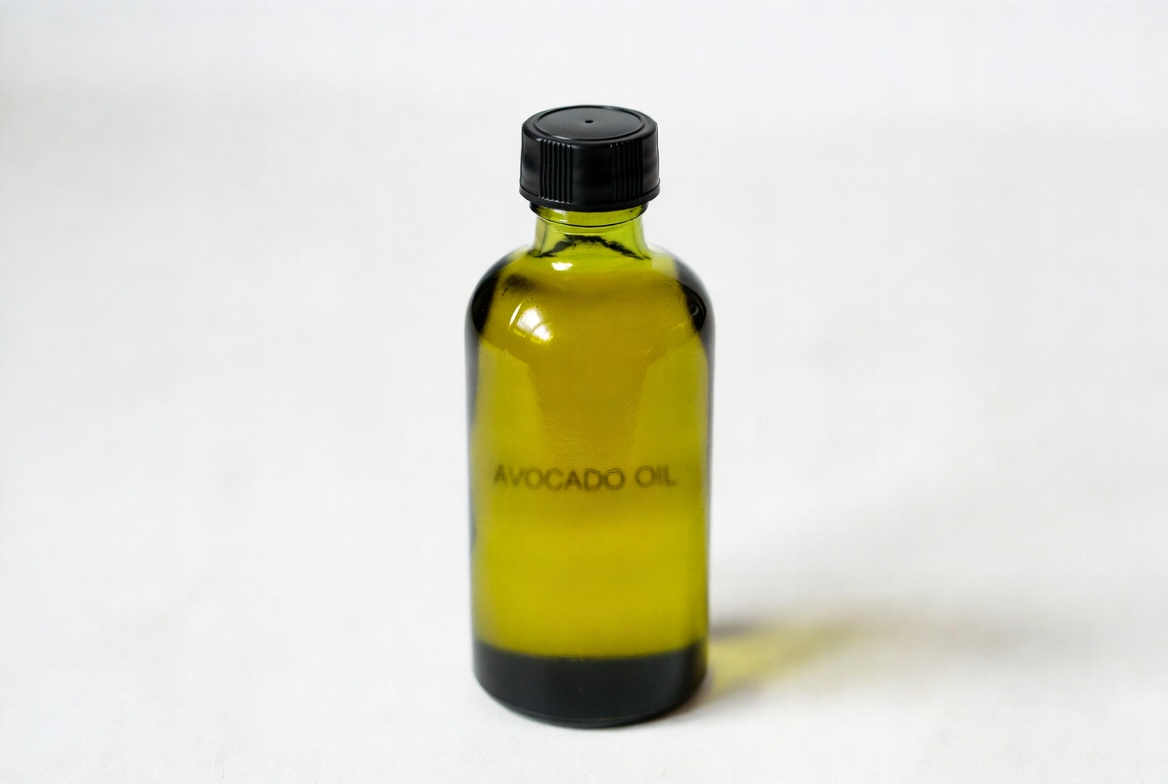
Avocado Oil vs Olive Oil for Steak: How to Get the Perfect Sear
If you’ve ever stood in front of your stove with a beautiful cut of steak and wondered which oil to use, you’re not alone. I’ve been there too, staring at my pantry, debating between that bottle of avocado oil and the olive oil I’ve had for months. It’s one of those cooking decisions that seems simple on the surface but actually has a surprising amount of depth to it.
Here’s the thing: choosing the right oil for searing your steak can genuinely make the difference between a mediocre crust and a restaurant-quality sear that’ll make your guests ask for your secret. In this guide, we’re going to break down everything you need to know about avocado oil versus olive oil for steak, and by the end, you’ll know exactly which one deserves a spot next to your cast iron skillet.
Outline: What We’ll Cover
- Understanding smoke points and why they matter
- Avocado oil characteristics and benefits for steak
- Olive oil characteristics and limitations for steak
- Flavor profiles and how they complement beef
- Temperature control and searing techniques
- Health considerations for both oils
- Cost comparison and value for money
- Real-world cooking performance
- Best practices for each oil
- When to use each oil
- Common mistakes to avoid
- Final recommendation
Understanding Smoke Points: The Foundation of Your Decision
Before we dive into the specifics of each oil, we need to talk about smoke points. Think of a smoke point like a limit—it’s the temperature at which an oil begins to break down and release smoke. When oil hits its smoke point, you’re not just seeing a little vapor; you’re witnessing the oil’s chemical structure falling apart.
Why does this matter for steak? Because when you sear a steak, you’re trying to create that beautiful, caramelized crust that locks in flavor and juices. This process requires heat—a lot of it. If your oil’s smoke point is too low, you’ll either burn the oil before you get a good sear or end up with an unpleasant burnt flavor coating your meat. It’s like trying to paint a masterpiece with a brush that keeps falling apart.
What Happens When Oil Smokes
When an oil reaches its smoke point, the fatty acids break down into free radicals and acrid compounds. Not only does this create that distinctive burnt smell, but it also produces substances that can be harmful if ingested regularly. Your expensive steak deserves better than that.
The smoke point becomes even more critical when you consider that steak searing typically happens at temperatures between 450 and 500 degrees Fahrenheit. That’s hot. Really hot. You need an oil that can handle that intensity without breaking a sweat—or in this case, without smoking.
Avocado Oil: The High-Heat Champion
Smoke Point: The Clear Winner
Avocado oil has a smoke point of around 520 degrees Fahrenheit, and some refined versions can reach up to 570 degrees. This is genuinely impressive. It means you can confidently crank your skillet up to a blazing heat and sear your steak without worrying about the oil breaking down before you get that perfect crust.
I discovered this advantage the hard way when I switched to avocado oil last year. The difference was immediately noticeable. My steaks went from having a decent crust to having that restaurant-quality sear I’d been chasing for years.
Flavor Profile and Taste
Here’s where it gets interesting. Avocado oil has a remarkably subtle flavor. It’s mild, slightly buttery, and won’t overpower the natural taste of your steak. Some people might think that blandness is a drawback, but for steak, it’s actually a strength. You want your oil to get out of the way and let the beef shine through.
The refined versions of avocado oil are even more neutral than the extra-virgin versions, making them perfect for high-heat cooking where you want the focus to remain on your meat’s inherent flavors.
Nutritional Benefits
Beyond cooking performance, avocado oil brings some legitimate health benefits to the table. It’s rich in monounsaturated fats—the “good” kind that your body actually appreciates. It also contains lutein, a compound that supports eye health, and it has anti-inflammatory properties.
If you’re health-conscious, avocado oil won’t make you feel guilty about indulging in a perfectly seared steak. Not that steak is something you need to feel guilty about anyway.
Olive Oil: The Traditional Choice with Limitations
Understanding the Smoke Point Problem
Extra-virgin olive oil has a smoke point of around 375 to 405 degrees Fahrenheit. Even refined olive oil, which is processed to remove more flavor and impurities, only reaches about 465 degrees. This is significantly lower than avocado oil, and it creates a real problem when you’re trying to sear steak.
When I used to cook with olive oil—and I did this for years without thinking twice—I was actually working below my ideal searing temperature. My steaks weren’t getting that proper crust because the oil was running out of headroom before the meat could develop that beautiful golden-brown exterior.
Flavor: A Double-Edged Sword
Olive oil brings personality to the table. That robust, sometimes peppery flavor is wonderful in salads, pasta, and Mediterranean dishes. But here’s the thing: when you heat olive oil to high temperatures, especially toward its smoke point, that nuanced flavor can turn harsh and acrid.
For steak, you want simplicity. You want to taste the beef, not the oil. While a high-quality extra-virgin olive oil might seem fancy, it’s actually wasted on a sizzling skillet. It’s like using a first-edition book as a coaster—technically it works, but it’s not the best use of its qualities.
Health Considerations
That said, olive oil is genuinely healthy. It’s loaded with antioxidants, has excellent anti-inflammatory properties, and numerous studies have linked it to better heart health. The Mediterranean diet, one of the healthiest eating patterns in the world, relies heavily on olive oil.
The issue isn’t the health properties of olive oil itself—it’s that those properties can be compromised when you heat it too much. Heating olive oil beyond its smoke point actually damages some of those beneficial compounds, so you lose some of the very health benefits that made you choose it in the first place.
Temperature Control and Searing Techniques
Getting Your Pan to the Right Temperature
Proper searing is a technique, and temperature is crucial. You want your skillet to be hot enough that when you place your steak on it, you hear an immediate, aggressive sizzle. Some people describe it as a “steak scream,” and honestly, that’s not an exaggeration.
With avocado oil, you can confidently get your pan to these temperatures without fear. I typically preheat my cast iron skillet until it’s nearly smoking—around 475 degrees—and then add a splash of avocado oil right before the steak hits the pan. The oil immediately begins to shimmer, creating the perfect cooking environment.
Why Oil Choice Affects Your Results
If you’re using olive oil and your pan is at 450 degrees—a reasonable searing temperature—you’re dangerously close to the smoke point of many olive oils. This means you’re cooking in a narrow window where the oil is hot enough for cooking but not so hot that it breaks down. It’s stressful and limits your flexibility.
With avocado oil, that window is much wider. You’ve got room to work, to adjust, to recover if you need to. It’s the difference between walking on a tightrope and walking on solid ground.
Flavor Profiles and How They Complement Beef
The Case for Neutral Oil
I’ve cooked hundreds of steaks, and I can tell you that the best ones aren’t obscured by competing flavors. A premium cut of beef—a ribeye, strip steak, or filet—has its own complex flavor profile. Your job as the cook is to enhance that profile, not mask it.
Avocado oil’s neutrality serves this purpose perfectly. It allows the beef’s natural richness, the char from the crust, and any seasonings you’ve used to take center stage.
When Olive Oil Flavor Might Work
That doesn’t mean olive oil has no place in steak preparation. If you’re planning to finish your steak with a compound butter or sauce—perhaps a chimichurri or a garlicky herb-infused oil—then you might use olive oil in that preparation. But for the actual searing? That’s where avocado oil shines.
Cost Comparison and Value for Money
Let’s talk reality: avocado oil is more expensive than olive oil. A decent bottle of avocado oil will run you anywhere from ten to twenty dollars, sometimes more for premium brands. A quality bottle of olive oil might cost eight to fifteen dollars.
However, consider the value. Avocado oil has a higher smoke point, which means you’re not breaking down the oil through oxidation at high temperatures. It maintains its integrity better. You’ll use less of it because you don’t need to worry about re-oiling the pan mid-sear. And most importantly, you’re getting better results, which means your steak-cooking experience is improved.
When I do the math, the extra few dollars for avocado oil are absolutely worth it for the performance increase. This isn’t an area where you should compromise to save money.
Real-World Cooking Performance
The Sear Quality Difference
I’ve tested both oils multiple times with identical steaks, identical pans, and identical heat levels. The results are conclusive: avocado oil produces a superior crust. It’s more consistent, more attractive, and more flavorful. The Maillard reaction—the chemical process that creates that delicious browning—happens more reliably with avocado oil.
Consistency Across Multiple Cooks
With olive oil, my results were more variable. Sometimes I’d get a decent sear, sometimes not. I’d adjust temperatures, change pans, modify my technique—always trying to compensate for the oil’s limitations. Once I switched to avocado oil, that variability largely disappeared. I could replicate great results consistently.
Smoke and Splatter Management
High-heat cooking can be messy, but it’s worse with oils that aren’t designed for those temperatures. Olive oil at near-smoking temperatures can produce more splattering and more unpleasant smoke. Avocado oil handles the heat more gracefully, producing less acrid smoke and fewer dramatic splatters.
Best Practices for Using Avocado Oil with Steak
- Preheat your pan until it’s just beginning to smoke—around 450 to 500 degrees Fahrenheit
- Add avocado oil only after the pan reaches temperature, as this prevents premature smoking
- Use refined avocado oil rather than extra-virgin for the highest smoke point
- Pat your steak completely dry before searing—moisture interferes with crust development
- Don’t move the steak around; let it sit undisturbed for two to three minutes per side
- Season after searing, not before, to prevent salt from drawing out moisture
- Let your steak rest for five to ten minutes after cooking before cutting
Best Practices for Using Olive Oil with Steak
If you’re committed to using olive oil—perhaps because you have a bottle at home or prefer the taste for some reason—here’s how to make the best of it:
- Use refined olive oil rather than extra-virgin to maximize the smoke point
- Keep your pan temperature at or below 450 degrees Fahrenheit
- Expect a less aggressive sear; adjust your expectations accordingly
- Monitor the oil carefully to catch any smoking before it becomes problematic
- Consider using olive oil for flavor finishing rather than searing
When to Use Each Oil: The Strategic Approach
Avocado Oil Is Best For:
High-heat cooking of any kind is where avocado oil excels. This includes searing steaks, pan-frying, stir-frying, and sautéing at high temperatures. If you’re working with beef, it’s the obvious choice. The neutral flavor won’t compete with the meat, and the high smoke point gives you the flexibility to achieve perfect results.
Olive Oil Is Best For:
Olive oil shines in lower-temperature applications. Use it for finishing dishes, drizzling on soups, making vinaigrettes, dipping with bread, or creating infused oils with herbs and garlic. These applications let olive oil’s flavor properties shine without compromising them through excessive heat.
Common Mistakes to Avoid
Mistake One: Adding Oil Too Early
Many home cooks add oil to their pan and then wait for it to heat. This approach can cause the oil to oxidize more than necessary, degrading its quality. The better method is to preheat the pan first, then add your oil just before cooking. This minimizes the oil’s time at high temperature.
Mistake Two: Using the Wrong Type of Avocado Oil
Extra-virgin avocado oil tastes better but has a lower smoke point than refined versions. For searing steak, refined avocado oil is the superior choice. Save the extra-virgin version for finishing drizzles and cold applications.
Mistake Three: Overcrowding the Pan
When you cook multiple steaks simultaneously, they lower the pan’s temperature and create steam rather than sear. Even if your oil can handle high heat, your steaks might not get the crust they deserve. Cook steaks one or two at a time, and give them space to breathe.
Mistake Four: Ignoring Oil Quality
Not all avocado oils are created equal. Check the label to ensure you’re getting pure avocado oil, not a blend. Similarly, don’t use rancid olive oil for anything—oil can go bad, especially if it’s been sitting around for years.
Cost-Benefit Analysis: Is Avocado Oil Worth It?
Let’s break this down financially. A typical steak sear uses about one to two tablespoons of oil. If a bottle of avocado oil costs fifteen dollars and contains about sixty tablespoons, that’s about twenty-five cents per steak for oil.
Compare that to the cost of a quality steak—often fifteen to thirty dollars or more. For that small additional investment, you’re significantly improving your cooking results. You’re getting a better crust, more consistent outcomes, and a better overall eating experience.
Put it this way: if spending an extra quarter can improve a steak that cost you twenty dollars, it’s mathematically a no-brainer. The return on investment is enormous.
The Science Behind the Sear
Let me geek out for a

![7 Best Commercial Olive Oil [2026]](https://bestpureessentialoils.com/wp-content/uploads/2026/06/7-best-commercial-olive-oil-2026-featured-768x432.jpg)
![7 Best Olive Oil At Target [2026]](https://bestpureessentialoils.com/wp-content/uploads/2026/09/7-best-olive-oil-at-target-2026-featured-768x432.jpg)