
How Is Cold Pressed Olive Oil Made?
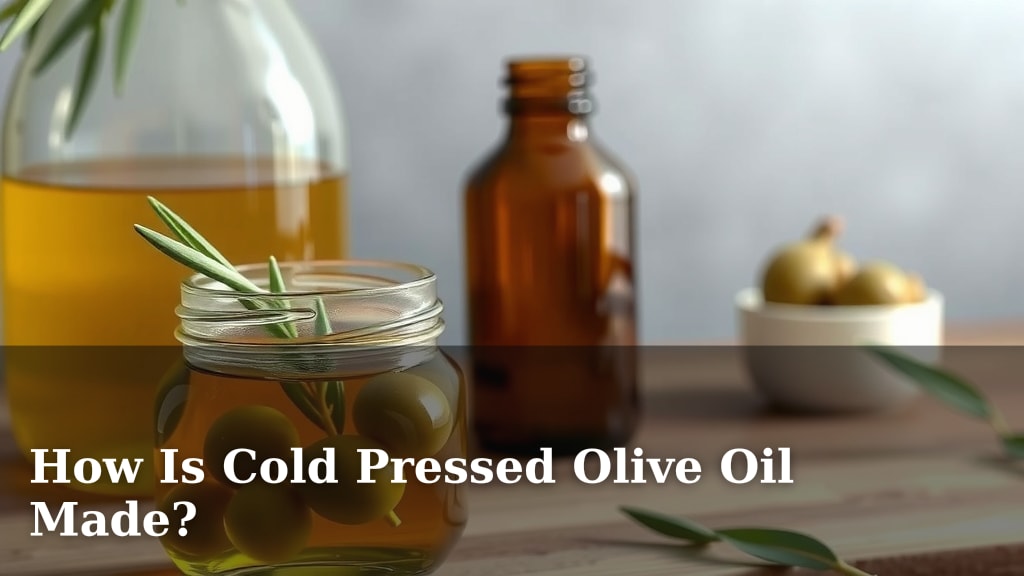
Cold pressed olive oil is made using a mechanical extraction process that involves crushing olives into a paste and then separating the oil from the solids and water. This traditional method avoids heat or chemical solvents, ensuring the oil retains its natural flavor and nutrients. It’s all about a gentle approach to get the purest oil possible.
This hands-off technique is why cold pressed olive oil is often considered the highest quality. Because no heat is used, the delicate aromas and beneficial compounds, like antioxidants, are preserved. Many food lovers prefer it for its vibrant taste and the health benefits it offers, making it a kitchen staple for good reason.
- Cold pressed olive oil uses mechanical methods.
- No heat or chemicals are used in the process.
- This preserves its natural flavor and nutrients.
- It’s considered the highest quality olive oil.
Let’s walk through exactly how this wonderful oil goes from olive to bottle. We’ll break down each step of the cold pressing process so you can see what makes it so special.
“`htmlThe Journey of Cold Pressed Olive Oil: From Grove to Bottle
Ever wondered what makes cold pressed olive oil so special? It’s all in the method of production. Unlike other oils, cold pressed olive oil skips the harsh treatments. This results in a purer, more flavorful oil that’s packed with goodness.
Step 1: Harvesting the Olives
The process begins with the olives themselves. They need to be picked at the peak of ripeness. This is usually done by hand or with gentle mechanical shakers. Why is timing so important? Olives picked too early can be bitter. Those picked too late might produce oil with off-flavors.
Many producers aim to harvest when olives are transitioning in color. This means they might be a mix of green and purple. This stage often yields the best balance of flavor and oil content. Think of it like picking a tomato when it’s perfectly ripe for eating – the taste is just right!
Step 2: Washing and Initial Preparation
Once the olives arrive at the mill, they get a good washing. This step is crucial to remove dirt, leaves, and twigs. Any debris left behind could affect the quality of the final oil. The olives are tumbled in large washing machines with fresh water.
After washing, the olives are often sorted again. Any remaining stems or leaves are removed. The goal here is to ensure only the cleanest fruit makes it to the next stage. This attention to detail at the start really pays off later.
Step 3: Crushing the Olives into Paste
This is where the magic really starts. The clean olives are fed into a crusher. This machine, often a large stone mill or a modern hammer mill, breaks down the olives. It crushes them into a thick paste. This paste contains the olive pulp, skin, seeds, and of course, the precious olive oil.
Traditionally, large granite wheels were used for crushing. Today, many mills use stainless steel hammer crushers. These are efficient and allow for precise control over the process. Regardless of the tool, the aim is the same: to break open the cells within the olives to release the oil.
The Importance of Temperature Control
Here’s the key to “cold pressed.” Throughout the crushing process, the temperature is kept low. It must stay below 27°C (80.6°F). This is why it’s called cold extraction. Higher temperatures would cause the oil to oxidize faster.
Think of it like this: if you try to gently coax a delicate perfume out of a flower, you wouldn’t blast it with heat, right? You’d use a gentle method. Cold pressing is that gentle method for olive oil. This low temperature preserves the oil’s natural compounds and delicate aromas. Many guidelines suggest this temperature control is what separates high-quality oil from the rest (International Olive Council).
Step 4: Malaxation – Letting the Oil Bloom
After crushing, the olive paste goes through a process called malaxation. This is a slow churning or mixing of the paste. It helps the tiny oil droplets that were released during crushing to coalesce and grow. They bump into each other and form larger droplets.
Malaxation is done slowly and at a low temperature, just like crushing. This allows the oil to separate more easily in the next step. The duration can vary. It depends on the olive variety and the ripeness. Typically, it lasts between 20 to 40 minutes. Over-malaxation, however, can lead to oxidative degradation, so timing is key.
Step 5: Separation – Extracting the Oil
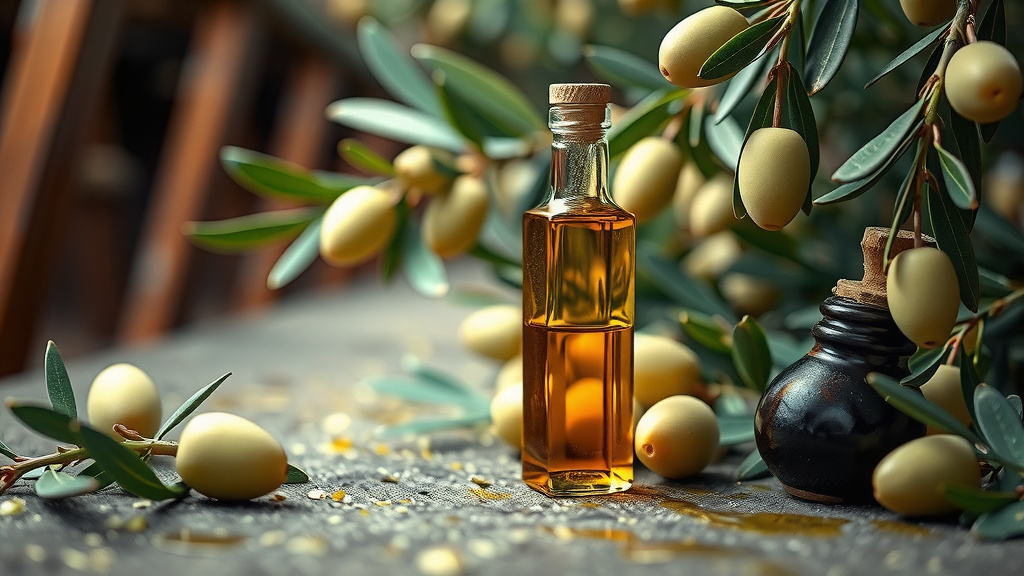
This is the most technical part. The malaxed paste contains three main components: olive oil, water (from the olives), and solid debris (pits, skin, pulp). The goal is to separate the oil from the other two. This is usually done using a centrifuge.
Centrifugal Separation
Modern mills predominantly use horizontal decanter centrifuges. These machines spin the paste at high speeds. The centrifugal force separates the heavier solids and water from the lighter oil. It’s a highly efficient way to get a clean separation.
There are two main types of centrifugation:
- Two-phase system: This uses less water and produces a solid byproduct called pomace and the oil.
- Three-phase system: This uses more water and separates the paste into oil, vegetation water, and a solid byproduct.
Both methods aim to extract the oil purely. The two-phase system is often favored for producing oil with lower moisture content and fewer impurities.
The Traditional Press Method (Less Common Today)
Before centrifuges became widespread, olives were pressed using hydraulic presses. The paste was spread onto porous mats, stacked, and then pressure was applied. This squeezed out the oil and water. The resulting mixture was then allowed to settle so the oil could be skimmed off. This method is more labor-intensive and harder to control for temperature and purity.
Step 6: Filtration – The Final Polish
After separation, the olive oil might still contain tiny particles of fruit pulp and water. If left in, these can cause the oil to ferment and spoil over time. Therefore, filtration is a crucial final step for most producers.
The oil is passed through a filter. This can be a simple paper filter or a more advanced system. Filtration removes any remaining solid impurities. This results in a clearer, more stable oil. It also contributes to a cleaner taste. Some artisanal producers choose not to filter, believing it retains more flavor compounds. However, unfiltered oil has a shorter shelf life (American Olive Oil Producers Association).
Step 7: Storage and Bottling
Once filtered, the cold pressed olive oil is ready. It needs to be stored correctly to maintain its quality. The best storage is in cool, dark conditions. Light and heat are the enemies of good olive oil. They can degrade its flavor and nutritional content.
The oil is then bottled. Dark glass bottles are preferred. They help protect the oil from light. The bottle should be sealed tightly. This prevents oxidation and preserves that wonderful fresh flavor you expect from cold pressed olive oil.
What You’re Getting in Your Bottle: A Quick Recap
So, when you choose a bottle labeled “cold pressed,” you’re getting olive oil made with:
- Careful harvesting at the right time.
- Gentle washing and preparation.
- Crushing without heat.
- Slow churning (malaxation) at low temperatures.
- Mechanical separation, usually via centrifuge.
- Often, a final filtration for clarity.
- Storage in protective conditions.
It’s a process that honors the fruit, ensuring you get the purest, most delicious olive oil possible for your kitchen.
“`Conclusion
You’ve now seen how cold pressed olive oil is made: a careful, mechanical process that keeps things gentle from grove to bottle. This method ensures you get the purest flavor and the most natural nutrients possible. By avoiding heat and chemicals, you’re choosing a high-quality oil that enhances any dish. Next time you reach for olive oil, remember the journey it took. Consider trying a small, artisanal producer to experience the difference firsthand.
Frequently Asked Questions
Is cold pressed olive oil healthier than other types?
Yes, cold pressed olive oil is generally considered healthier because the mechanical extraction at low temperatures preserves its natural antioxidants and beneficial compounds. This contrasts with oils processed using heat or chemicals, which can degrade these healthy components.
What does “cold pressed” actually mean for olive oil?
“Cold pressed” means the olives were crushed and the oil was extracted using a mechanical method without any added heat. The temperature is kept below 27°C (80.6°F) throughout the process. This gentle approach helps retain the oil’s natural flavor, aroma, and nutritional value.
Can I make cold pressed olive oil at home?
While technically possible on a very small scale with specialized equipment, it’s difficult to achieve the same quality and efficiency as a commercial mill at home. Commercial operations have precise temperature controls and efficient separation methods that are hard to replicate.
What is the difference between cold pressed and extra virgin olive oil?
The term “cold pressed” refers to the extraction method, while “extra virgin” refers to the quality and purity of the oil, based on chemical analysis and sensory evaluation. All extra virgin olive oil must be cold pressed, but not all cold pressed olive oil necessarily meets the strict standards to be labeled extra virgin.
How long does cold pressed olive oil last?
Unfiltered cold pressed olive oil typically has a shorter shelf life, often around 12-18 months, because the remaining particles can cause it to degrade faster. Filtered cold pressed olive oil can last longer, usually up to 24 months, when stored properly in a cool, dark place.

![7 Best Extra Virgin Olive Oil From Spain [2026]](https://bestpureessentialoils.com/wp-content/uploads/2026/08/7-best-extra-virgin-olive-oil-from-spain-2026-featured-768x432.jpg)
![7 Best Face Olive Oil [2026]](https://bestpureessentialoils.com/wp-content/uploads/2026/08/7-best-face-olive-oil-2026-featured-768x432.jpg)
![7 Best Grocery Store Olive Oil [2026]](https://bestpureessentialoils.com/wp-content/uploads/2026/07/7-best-grocery-store-olive-oil-2026-featured-768x432.jpg)