Sunflower Oil vs Olive Oil: Which is Healthier
When choosing between cold pressed sunflower oil and olive oil, the best choice often depends on your cooking needs and desired flavor profile. While both are healthy fats, olive oil generally offers a richer flavor for dressings and finishing, whereas sunflower oil is milder, making it a versatile option for everyday cooking and baking.
Both oils are extracted without high heat, preserving more nutrients. This process results in healthier oils with unique flavor notes. Understanding their differences can help you make a smarter choice for your kitchen pantry.
- Flavor: Olive oil is bold; sunflower oil is mild.
- Best Uses: Olive oil for finishing; sunflower oil for high-heat cooking and baking.
- Nutrients: Both are good sources of healthy fats.
- Smoke Point: Varies, but many sunflower oils have a higher smoke point.
Let’s dive deeper into the specific characteristics of each oil and help you decide which one is the perfect fit for your culinary adventures.
Sunflower Oil vs. Olive Oil: What’s the Difference for Your Kitchen?
Deciding between cold pressed sunflower oil and olive oil can feel like a big choice. Both are popular for good reason. They offer different benefits for your cooking. We found that understanding their unique qualities helps you pick the right one for any dish. Let’s break down what makes them stand out.
A Deep Dive into Flavor Profiles
One of the most noticeable differences is flavor. This is where your personal preference really shines. Think about how you want your food to taste. Do you want a robust, distinct flavor, or something more subtle?
Olive Oil’s Bold Character
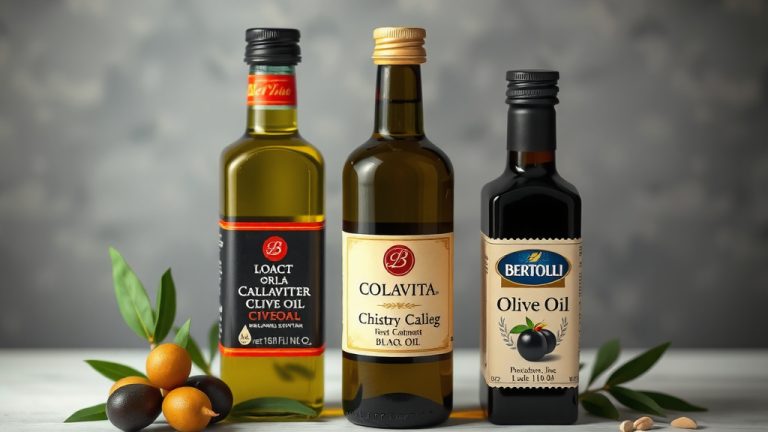
Olive oil, especially extra virgin, is known for its strong, fruity, and sometimes peppery notes. It’s a star player in many Mediterranean dishes. Its flavor is so distinctive that it often defines a dish. You can taste the olives in it. We found it’s perfect for when you want that flavor to be front and center.
Sunflower Oil’s Mellow Nature
Cold pressed sunflower oil, on the other hand, is much milder. It has a neutral, almost buttery taste. This makes it incredibly versatile. It won’t overpower other ingredients in your recipe. Many people reach for it when they don’t want the oil’s flavor to compete with the main stars of their meal. We found this makes it a fantastic background player.
Cooking Applications: Where Do They Shine?
Your cooking method matters a lot when choosing an oil. Some oils handle heat better than others. Others are best used in ways that preserve their delicate flavors and nutrients.
Olive Oil: Best for Finishing and Low-Heat Cooking
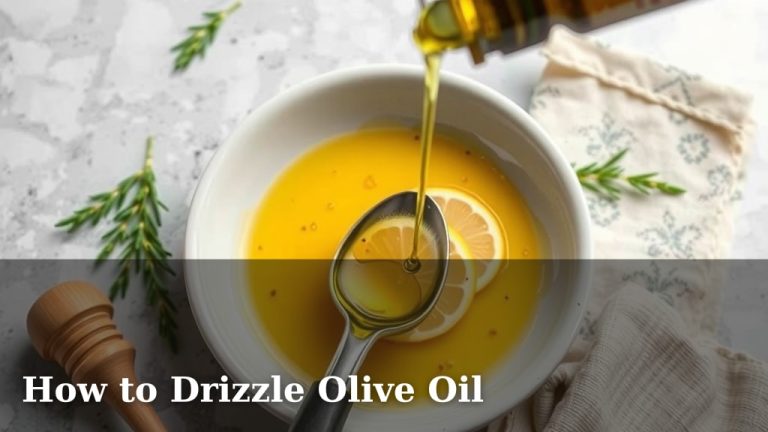
Extra virgin olive oil is often considered a finishing oil. This means it’s best added after cooking. Think drizzling it over pasta, salads, or grilled vegetables. This preserves its wonderful flavor and antioxidants. While some olive oils can be used for sautéing, their smoke points are generally lower. High heat can degrade their quality and create unpleasant flavors. Guidelines often suggest using extra virgin olive oil for low-to-medium heat cooking (Mayo Clinic).
Sunflower Oil: A Champion for High Heat and Baking
Cold pressed sunflower oil, especially varieties bred for higher oleic acid content, often has a higher smoke point. This makes it a great choice for frying, searing, and roasting. When you need an oil that can withstand high temperatures without breaking down, sunflower oil is a strong contender. We found it performs admirably in stir-fries and pan-frying. Its neutral flavor also makes it a baking favorite. It lets the sweetness of your baked goods take center stage.
Understanding Smoke Points
The smoke point is the temperature at which an oil starts to smoke and break down. When oil smokes, it can release harmful compounds. It also starts to taste burnt. For high-heat cooking, you want an oil with a smoke point well above your cooking temperature.
Research shows that many refined sunflower oils have smoke points around 450°F (232°C). Extra virgin olive oil typically smokes around 375°F (190°C). However, these can vary based on the specific type and processing. Always check the oil’s packaging for the most accurate information.
Nutritional Benefits: A Healthy Choice Either Way
Both cold pressed sunflower oil and olive oil are good sources of healthy fats. They are primarily made up of monounsaturated and polyunsaturated fats, which are considered heart-healthy. These fats can help lower bad cholesterol levels (NIH).
Fatty Acid Composition
Olive oil is famously rich in monounsaturated fatty acids (MUFAs), particularly oleic acid. It also contains some polyunsaturated fatty acids (PUFAs) and saturated fats. Sunflower oil is also a good source of MUFAs and PUFAs, depending on the variety. High-oleic sunflower oil varieties are very high in MUFAs, similar to olive oil. Standard sunflower oil has a higher proportion of linoleic acid, a type of omega-6 PUFA.
Vitamins and Antioxidants
Olive oil, especially extra virgin, is packed with antioxidants like polyphenols and vitamin E. These compounds have anti-inflammatory properties and may protect against cell damage (NCBI). Cold pressed sunflower oil also retains vitamin E, a powerful antioxidant. The specific antioxidant profile can differ between the two oils, but both contribute positively to your diet.
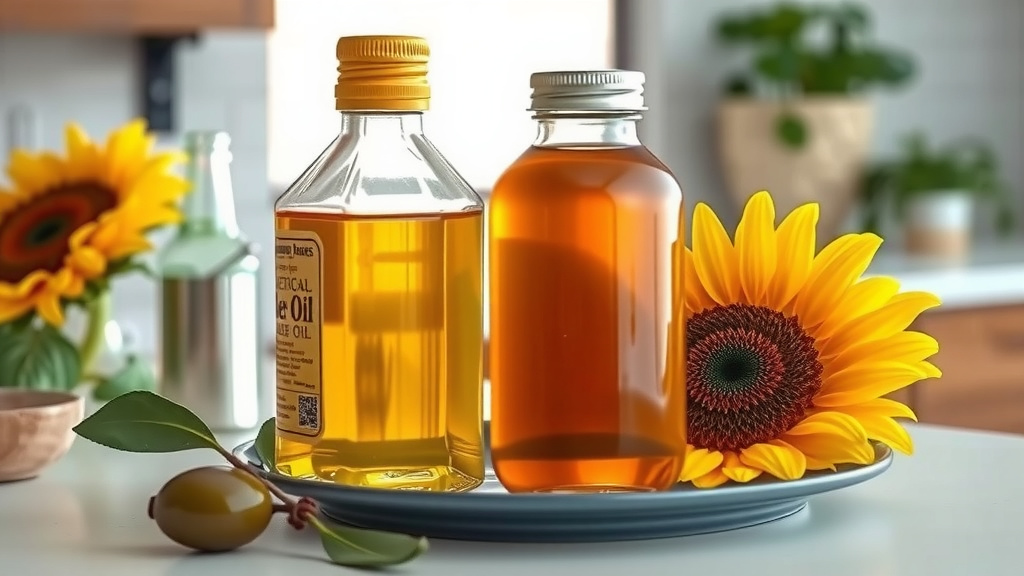
Making Your Choice: A Quick Comparison
To help you decide, here’s a simple way to think about which oil to use when:
| Feature | Cold Pressed Sunflower Oil | Olive Oil (Extra Virgin) |
|---|---|---|
| Flavor | Mild, neutral, slightly buttery | Bold, fruity, peppery |
| Best For | High-heat cooking (frying, roasting), baking, neutral flavor needs | Dressings, finishing, sautéing, low-to-medium heat cooking |
| Smoke Point | Generally higher (varies by type) | Generally lower (varies by type) |
| Key Nutrients | Vitamin E, healthy fats (MUFAs/PUFAs) | Vitamin E, antioxidants (polyphenols), healthy fats (MUFAs) |
Your Kitchen Cheat Sheet
Here’s a quick checklist to remember when you’re reaching for a bottle:
- Flavor Impact: Need a strong flavor? Grab olive oil. Want it neutral? Reach for sunflower.
- Cooking Temperature: High heat calls for sunflower oil. Low-to-medium is fine for olive oil.
- Dressing Duty: Drizzling over salads or finished dishes? Olive oil is your friend.
- Baking Needs: For cakes and cookies, a neutral oil like sunflower oil often works best.
- Health Fats: Both offer excellent healthy fat profiles.
- Nutrient Preservation: Cold pressing for both ensures you get more goodness.
Conclusion
You now have a clearer picture of cold pressed sunflower oil and olive oil. Remember, olive oil brings bold flavor for finishing and low-heat cooking. Sunflower oil offers a neutral taste and handles high heat like a champ, making it ideal for frying and baking. Both are packed with healthy fats and nutrients thanks to cold pressing. Next time you’re cooking, think about the flavor you want and the heat you’ll be using. You can confidently choose the oil that best fits your culinary needs.
Frequently Asked Questions
Can I substitute sunflower oil for olive oil in any recipe?
You can substitute sunflower oil for olive oil, especially in baking or when you want a neutral flavor. For recipes where olive oil’s distinct taste is key, like a salad dressing, the substitution might change the final flavor profile significantly.
Is cold pressed sunflower oil healthier than refined sunflower oil?
Yes, cold pressed sunflower oil is generally considered healthier. The cold pressing method preserves more nutrients and antioxidants, unlike refining processes that can sometimes degrade these beneficial compounds and alter the fatty acid profile.
Which oil is better for heart health?
Both oils are excellent choices for heart health as they are rich in healthy monounsaturated and polyunsaturated fats. Olive oil is particularly praised for its high oleic acid content and antioxidants, while sunflower oil also provides beneficial fatty acids and vitamin E.
Why does olive oil have a lower smoke point?
Extra virgin olive oil’s lower smoke point is often due to its higher concentration of beneficial compounds like polyphenols. These compounds can break down at lower temperatures compared to more refined oils, which is why it’s best used for finishing or low-to-medium heat cooking.
Can I use sunflower oil for deep frying?
Yes, many types of cold pressed sunflower oil, especially high-oleic varieties, have a high smoke point making them suitable for deep frying. Always check the specific oil’s packaging for its recommended uses and smoke point to ensure optimal performance and safety.