
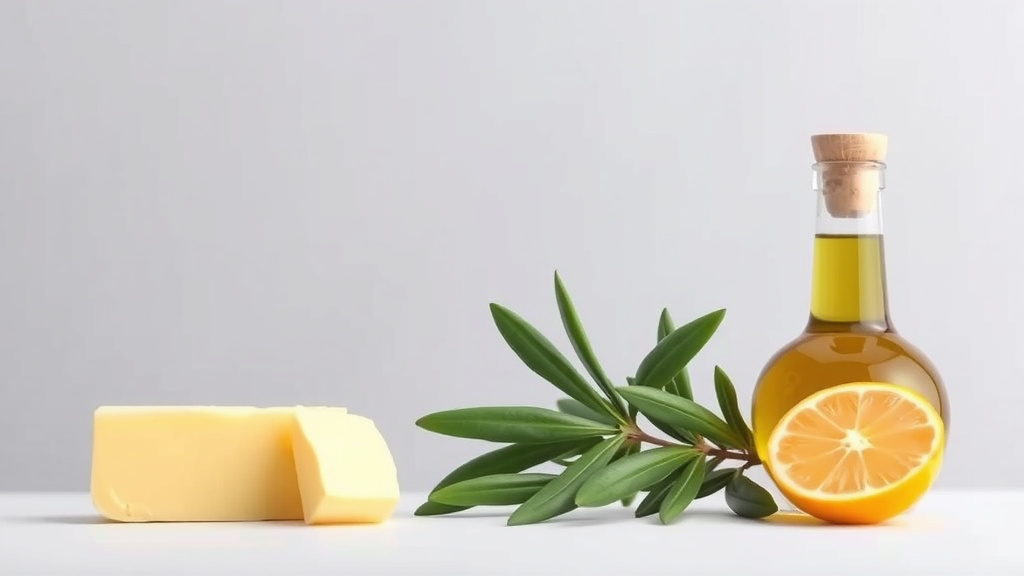
Butter vs. Olive Oil for Weight Loss: Which is Better
When choosing between butter and olive oil for weight loss, neither is a magic bullet, but olive oil often gets the edge. This is mainly due to its higher content of monounsaturated fats, which research suggests can support heart health and potentially aid in weight management when part of a balanced diet. Butter, while containing some beneficial compounds, is primarily saturated fat and calorie-dense, making it easier to overconsume.
Your body processes different fats differently. Olive oil’s monounsaturated fats are linked to improved insulin sensitivity and reduced belly fat in some studies. Butter’s saturated fat content requires more careful moderation to avoid negatively impacting cholesterol levels and hindering your weight loss journey. We found that mindful portion control is key for both.
- Olive oil is rich in monounsaturated fats, which are generally considered healthier for weight loss.
- Butter is higher in saturated fat, which should be consumed in moderation.
- Neither is a weight loss miracle; portion size is critical for both.
- Olive oil may offer slight advantages due to its fat profile and potential health benefits.
Let’s break down how butter and olive oil stack up for your weight loss goals, and how you can use them wisely.
Exploring Fats: Butter vs. Olive Oil for Your Weight Loss Goals
When you’re trying to lose weight, every food choice matters. You’re likely wondering about fats. Are they good? Are they bad? We’ve all heard conflicting advice. Let’s focus on two common kitchen staples: butter and olive oil. We found that understanding their differences can help you make smarter choices for your body.
Both butter and olive oil are fats. Fats are an essential part of your diet. They help your body absorb vitamins. They also protect your organs and support cell growth. But not all fats are created equal. This is where butter and olive oil really diverge. We found that one generally has an edge for weight management.
The Nutritional Breakdown: What’s Inside?
Let’s look at what you’re actually eating when you choose butter or olive oil. This helps you understand their impact on your health and weight.
Butter: Mostly Saturated Fat
Butter is an animal product. It’s made from churning cream. This process separates the butterfat from the buttermilk. Because of this, butter is very high in saturated fat. For example, a tablespoon of butter has about 7 grams of saturated fat.
Butter also contains cholesterol. And it’s quite dense in calories. A tablespoon has around 100 calories. While it does have some vitamins like A and E, its saturated fat content is a key factor for weight loss considerations. Many health organizations recommend limiting saturated fat intake. This is to help manage cholesterol levels and support heart health (CDC).
Olive Oil: A Monounsaturated Powerhouse
Olive oil comes from olives. It’s a plant-based oil. The primary type of fat in olive oil is monounsaturated fat. A tablespoon of olive oil has about 10 grams of monounsaturated fat. It contains very little saturated fat, usually less than 2 grams per tablespoon.
Olive oil also boasts antioxidants and vitamin E. These compounds are linked to various health benefits. They can help fight inflammation. They may also protect your cells from damage. Plus, olive oil is typically a bit lower in calories than butter, around 120 calories per tablespoon, but its fat profile is often seen as more beneficial.
| Nutrient (per 1 tbsp) | Butter | Olive Oil |
|---|---|---|
| Calories | 102 | 120 |
| Total Fat | 11.5g | 14g |
| Saturated Fat | 7.3g | 1.9g |
| Monounsaturated Fat | 2.9g | 9.9g |
| Polyunsaturated Fat | 0.5g | 1.4g |
How Fats Affect Your Weight Loss Journey
Your body processes different types of fats differently. This processing can impact your weight loss efforts. We found that understanding these differences is vital.
Saturated Fat and Weight
Saturated fats are solid at room temperature. Think butter, lard, and coconut oil. While your body needs some saturated fat, too much can be problematic. High intake is often linked to increased LDL cholesterol. This is the “bad” cholesterol. High LDL can contribute to heart disease risk. This is a concern for overall health, which supports weight loss goals.
Some research suggests that diets high in saturated fat might make it harder for your body to burn fat. It can also contribute to fat storage, particularly around your belly. We found that limiting saturated fat, especially from processed foods, is a common recommendation for weight management (Mayo Clinic).
Monounsaturated Fat and Weight
Monounsaturated fats are liquid at room temperature. Olive oil, avocados, and nuts are good sources. These fats are often praised for their health benefits. Studies have linked them to improved heart health. They may also help lower LDL cholesterol and raise HDL cholesterol, the “good” kind.
For weight loss, monounsaturated fats might offer an advantage. Some research indicates they can increase feelings of fullness. This might help you eat less overall. Other studies suggest they could help reduce abdominal fat. We found that incorporating these fats into your diet in moderation is generally encouraged for a healthy weight loss plan (NCBI).
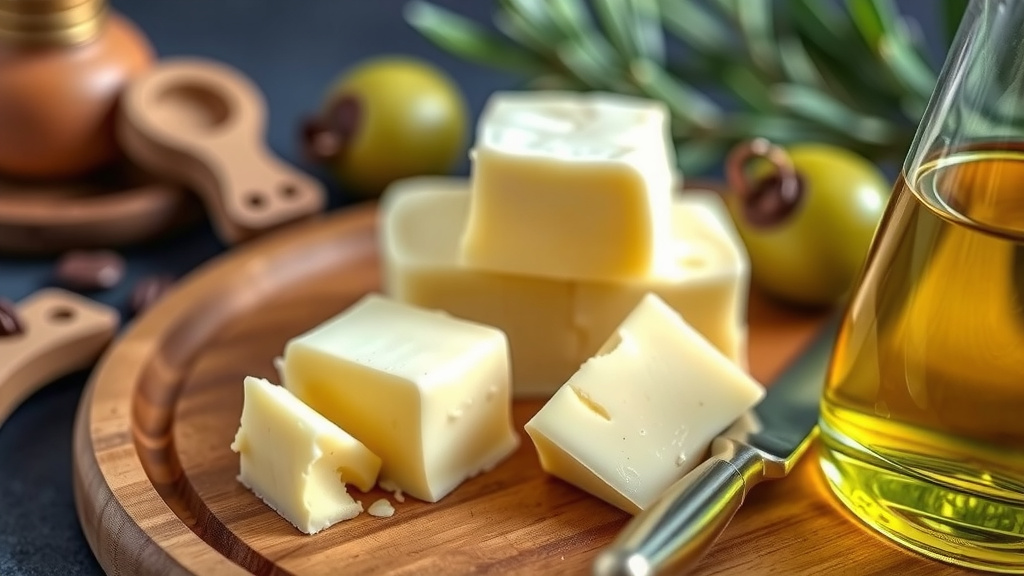
Using Butter and Olive Oil Wisely for Weight Loss
So, can you still enjoy butter? Can olive oil be your secret weapon? The answer is yes, with some important guidelines. Portion control is the real hero here.
Mindful Portions: The Key to Success
Regardless of which fat you choose, the amount you use matters most. Both butter and olive oil are calorie-dense. This means a small amount packs a lot of calories. Overusing either can easily lead to a calorie surplus. This will prevent weight loss.
We found that measuring your fats is a good habit. Instead of guessing, use measuring spoons or cups. This simple step can prevent accidental overconsumption. Think of it as being the boss of your portions. This helps you stay on track with your calorie goals.
When to Choose Which Fat
Olive oil often gets the nod for weight loss benefits. Its monounsaturated fat profile is a big reason. It’s great for salad dressings. You can use it for sautéing vegetables. It’s also wonderful for roasting. Its flavor can enhance dishes without adding extra calories from sugary sauces.
Butter has its place, too. It adds a rich flavor and texture. However, we found that using it sparingly is best for weight loss. Consider using a small amount for flavor. Perhaps you’re finishing a dish with a tiny bit of butter. Or you might use it in baking where its specific properties are needed. But for everyday cooking and general health, olive oil often takes the lead.
Your Healthy Fat Checklist for Weight Loss
To help you remember the key takeaways, here’s a quick checklist. Use this to guide your choices:
- Measure your fats: Use spoons to control portions.
- Prioritize olive oil: For dressings, sautéing, and everyday cooking.
- Limit butter: Use it for flavor, not as a primary cooking fat.
- Read labels: Understand the fat content of other foods.
- Listen to your body: Pay attention to how different foods make you feel.
- Balance is key: Focus on an overall healthy diet, not just one ingredient.
Conclusion
When you’re focusing on weight loss, understanding your fats is key. We found that olive oil generally offers more advantages due to its rich monounsaturated fat content. This type of fat is linked to better heart health and may help you feel fuller. Butter, while delicious, is higher in saturated fat, which should be consumed in moderation as part of a balanced diet. Remember, portion control is essential for both. Start by measuring your fats today and prioritize olive oil for everyday cooking to support your weight loss journey.
Frequently Asked Questions
Can I still eat butter if I’m trying to lose weight?
Yes, you can still enjoy butter in moderation. It’s best used sparingly for flavor, rather than as your primary cooking fat. Focusing on smaller amounts will help you manage calorie intake effectively.
Is olive oil really better for belly fat loss?
Some research suggests that monounsaturated fats, like those in olive oil, may help reduce abdominal fat. While not a magic solution, incorporating olive oil into a balanced diet could support your efforts.
How much olive oil should I use daily for weight loss?
A common recommendation is about 1-2 tablespoons of olive oil per day. This amount provides healthy fats without adding excessive calories to your diet. Always measure to stay on track with your portion goals.
What’s the difference between butter and olive oil for heart health during weight loss?
Olive oil’s monounsaturated fats are generally considered heart-healthier than butter’s saturated fats. High saturated fat intake can raise LDL cholesterol, while monounsaturated fats can help improve cholesterol levels. Prioritizing olive oil supports both weight loss and cardiovascular well-being.
Can I substitute butter with olive oil in all my recipes?
For most cooking, like sautéing or making dressings, olive oil is a great substitute. However, in baking, butter’s unique texture and flavor are often hard to replicate perfectly with olive oil. Consider your recipe’s needs when making a swap.

![7 Best Expensive Olive Oil [2026]](https://bestpureessentialoils.com/wp-content/uploads/2026/07/7-best-expensive-olive-oil-2026-featured-768x432.jpg)
![7 Best Costco Olive Oil To Buy [2026]](https://bestpureessentialoils.com/wp-content/uploads/2026/06/7-best-costco-olive-oil-to-buy-2026-featured-768x432.jpg)