
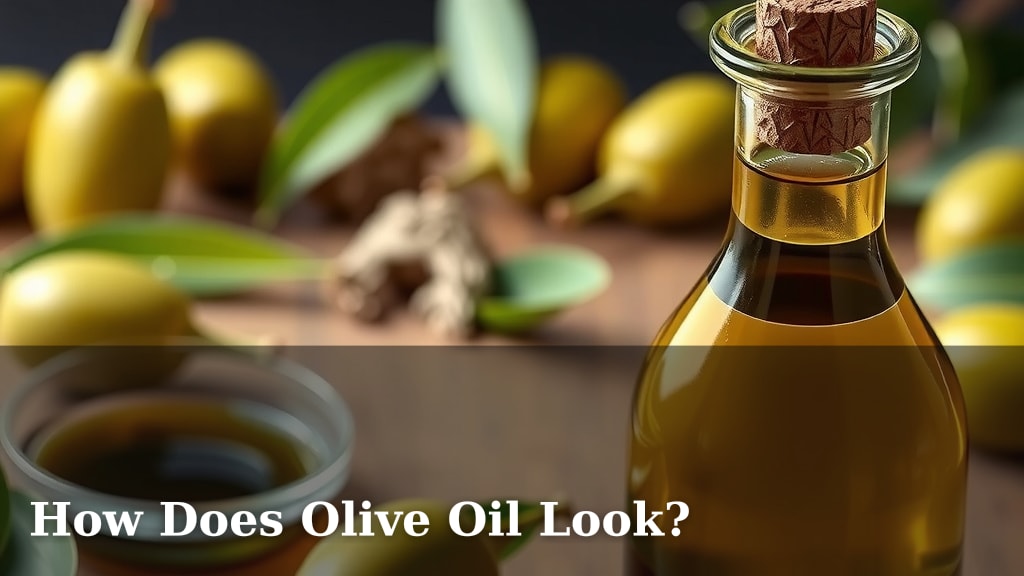
How Does Olive Oil Look?
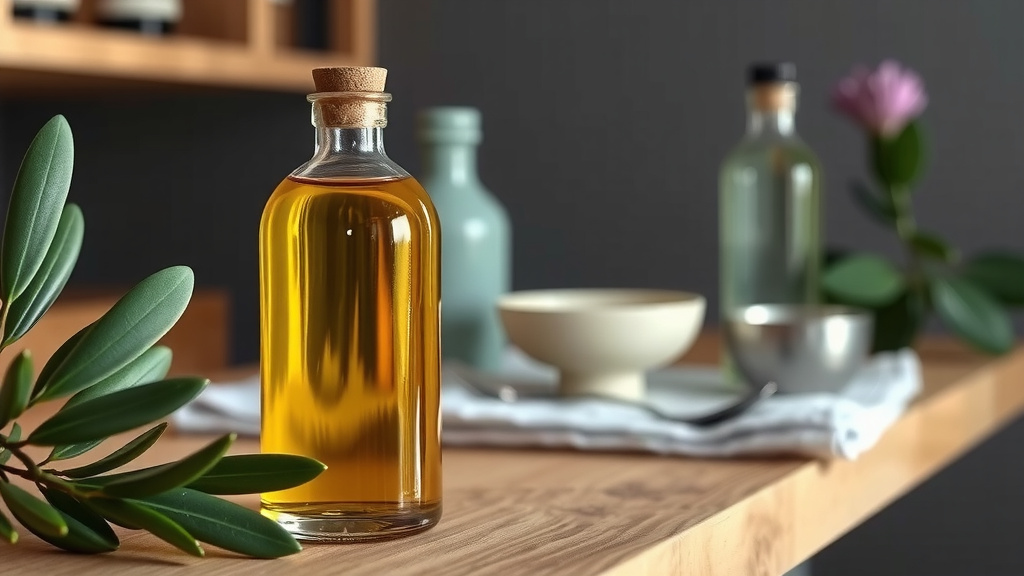
Olive oil can look green, gold, or even a bit murky. The exact appearance depends on the type of olives and how the oil was made. It’s not a sign of good or bad quality on its own. Think of it like wine; the color tells a story.
Different olive oils offer a spectrum of colors. Extra virgin olive oils, especially those from younger olives, often have a vibrant green hue. Older olives or different processing methods can result in a more golden or straw-like color. Don’t judge a book by its cover; the look is just one piece of the puzzle.
- Olive oil color ranges from green to gold.
- The look depends on olive type and processing.
- Murky oil can indicate unfiltered oil.
- Color doesn’t automatically mean quality.
So, how can you tell what makes olive oil look the way it does? We found that a few key factors play a big role. Let’s dive into the visual details of your favorite olive oils.
What Your Olive Oil’s Color Really Means
You’ve probably noticed that olive oil isn’t just one color. It can range from a bright, vivid green to a soft, pale gold. Sometimes it might even look a little cloudy. We found that this visual difference is perfectly normal and tells you something about the oil itself.
Think of it like the difference between fresh-cut grass and dried hay. Both are plant-based, but their color tells a story about their state. Olive oil is similar; its color hints at the olives used and how the oil was made. It’s not necessarily a sign of good or bad quality on its own. We found that many consumers are curious about this, and it’s a great starting point for understanding your oil.
The Green Spectrum: What Makes It So Vibrant?
When you see a deep green olive oil, it’s usually a good sign that it’s rich in chlorophyll. This is a natural pigment found in olives, just like in leaves. Many experts say that greener oils often come from younger, fresher olives. The harvesting and pressing process also play a huge role here.
We found that oils made using methods that preserve these pigments tend to be greener. This often includes cold-pressing, which is a gentle way to extract the oil. The olives are crushed and the oil is separated without significant heat. This low-temperature approach helps keep the natural color and beneficial compounds intact. You might also notice a greener oil has a stronger, fruitier flavor.
The Golden Hues: When Oil Turns Yellow
On the other hand, you’ll see olive oils with a lovely golden or straw-like color. This doesn’t mean the oil is old or bad. Instead, we found that this color often comes from different olive varietals. Some olives naturally have less chlorophyll. The ripeness of the olives also matters. Older, more mature olives might yield an oil that leans more towards gold.
The processing method can also influence a golden color. Some methods might involve slight warming to increase the oil yield. While still considered high quality, this can sometimes affect the intensity of the green pigment. Many reputable producers aim for a balance, but the olives themselves are often the primary factor. We found that a golden oil can still be incredibly delicious and healthful.
Murky and Cloudy: What’s Going On?
Ever poured oil that looked a bit cloudy, almost like there were tiny particles suspended in it? This usually means the oil is unfiltered. Many producers choose to filter their olive oil to remove small bits of olive pulp and sediment. This process results in a clear, bright oil.
However, unfiltered olive oil can retain more of the olive’s natural goodness. These tiny particles can contain antioxidants and flavor compounds. We found that unfiltered oils often have a more robust flavor profile and a shorter shelf life. They should be stored carefully and used sooner. Don’t be alarmed by a bit of cloudiness; it often signifies a more natural, rustic oil. Just be sure to check the “best by” date.
| Olive Oil Appearance | Likely Cause | Taste Profile Clues |
|---|---|---|
| Deep Green | Young olives, high chlorophyll, cold-pressed | Fruity, peppery, grassy |
| Bright Gold | Ripe olives, different varietals, less chlorophyll | Buttery, milder fruit notes |
| Pale Yellow/Straw | Very ripe olives, specific varietals | Very mild, sometimes nutty |
| Cloudy/Murky | Unfiltered, contains olive sediment | Robust, rich, complex |
The Role of Olive Variety and Ripeness
You might be surprised to learn that the type of olive used is a major determinant of color. Just like apples come in different colors and flavors, so do olives. Some olives, like the Arbequina, tend to produce a greener oil. Others, like the Koroneiki, can also yield a vibrant green hue.
On the other hand, certain varietals might naturally result in a more golden oil. The ripeness is equally important. Olives picked earlier in the season are typically greener and have more polyphenols. As olives ripen, their color darkens, and their oil color can shift towards gold. We found that producers often select olives based on the desired color and flavor profile for their oil.
Processing Methods and Their Visual Impact
How the oil is extracted from the olive has a big effect on its final look. Cold-pressing, as we mentioned, is a popular method. It uses mechanical means to extract oil without excessive heat. This helps preserve the natural chlorophyll and pigments, leading to greener oils. Many health-conscious consumers prefer this method.
Some extraction methods might involve a bit of heat or water. While this can increase the amount of oil extracted, it can also affect the color. Heat can break down some of the pigments. We found that producers who prioritize vibrant color and fresh flavor often stick to cold-pressing or similar low-heat techniques. It’s a balance between yield and quality.
Is Color a Reliable Indicator of Quality?
This is a common question, and the answer is a bit nuanced. While color can offer clues, it’s not the whole story. We found that a deep green color often suggests freshness and a good amount of antioxidants. However, a golden oil can be just as high quality and full of beneficial compounds.
The most important factors for quality are purity and proper processing. Extra virgin olive oil, for example, is defined by its low acidity and absence of defects, not just its color. Many experts agree that you should also consider the aroma and taste. A high-quality oil should smell fresh and have a pleasant flavor. Color is just one piece of the puzzle. It’s best to look at it in conjunction with other sensory cues.
Key Visual Checks for Your Olive Oil
When you’re at the store or in your kitchen, keep these visual tips in mind:
- Note the shade: Green, gold, or somewhere in between?
- Look for clarity: Is it clear or slightly cloudy?
- Check for sediment: Are there visible particles?
- Observe consistency: Does it look oily or watery?
- Consider the bottle: Is it dark glass to protect from light?
Conclusion
So, you’ve learned that olive oil’s color is a fascinating story told by the olives and how they’re handled. Remember, that vibrant green or sunny gold isn’t a simple quality score. It’s more about the olive varietal, its ripeness, and the extraction process. Whether it’s a deep green from young olives or a clear gold from riper ones, each hue hints at its flavor profile.
Don’t be afraid of a little cloudiness – it often means unfiltered oil packed with goodness. Next time you reach for olive oil, look beyond just the color. Consider its appearance as one clue in understanding its unique character. Now you’re better equipped to choose and appreciate your olive oil!
Frequently Asked Questions
Can I tell if olive oil is bad just by its color?
Not really. While color can offer clues about freshness and processing, it’s not a definitive sign of spoilage. Rancid olive oil often develops an off smell or taste before its color changes significantly. Always rely on your senses of smell and taste for quality checks.
Does a greener olive oil always taste better than a golden one?
Taste is subjective and depends on what you prefer! Greener oils often have a more robust, peppery, or grassy flavor due to higher chlorophyll and polyphenols. Golden oils might offer milder, buttery, or fruitier notes. Both can be delicious; it just depends on the olive varietal and your palate.
What does it mean if my olive oil has bits floating in it?
If you see small particles or sediment in your olive oil, it likely means the oil is unfiltered. Unfiltered oils retain more of the olive pulp, which can add richness and flavor. This is perfectly normal and often indicates a more rustic, natural product.
Does light damage olive oil and affect its color?
Yes, light can degrade olive oil over time, potentially affecting its flavor and nutritional content. This is why high-quality olive oils are typically sold in dark glass bottles. Storing your oil in a cool, dark place, away from direct sunlight, will help preserve its quality and color.
Can the origin of the olives change the olive oil’s color?
Absolutely. Different geographical regions and climates can influence olive varietals and their growing conditions, which in turn affects the olives’ chlorophyll content and ripeness. This can lead to variations in the final oil color, even between oils of the same type.

![7 Best First Cold Pressed Extra Virgin Olive Oil [2026]](https://bestpureessentialoils.com/wp-content/uploads/2026/08/7-best-first-cold-pressed-extra-virgin-olive-oil-2026-featured-768x432.jpg)
![7 Best Italian Olive Oil For Dipping [2026]](https://bestpureessentialoils.com/wp-content/uploads/2026/08/7-best-italian-olive-oil-for-dipping-2026-featured-768x432.jpg)
![7 Best Extra Virgin Olive Oil For Health [2026]](https://bestpureessentialoils.com/wp-content/uploads/2026/07/7-best-extra-virgin-olive-oil-for-health-2026-featured-768x432.jpg)