
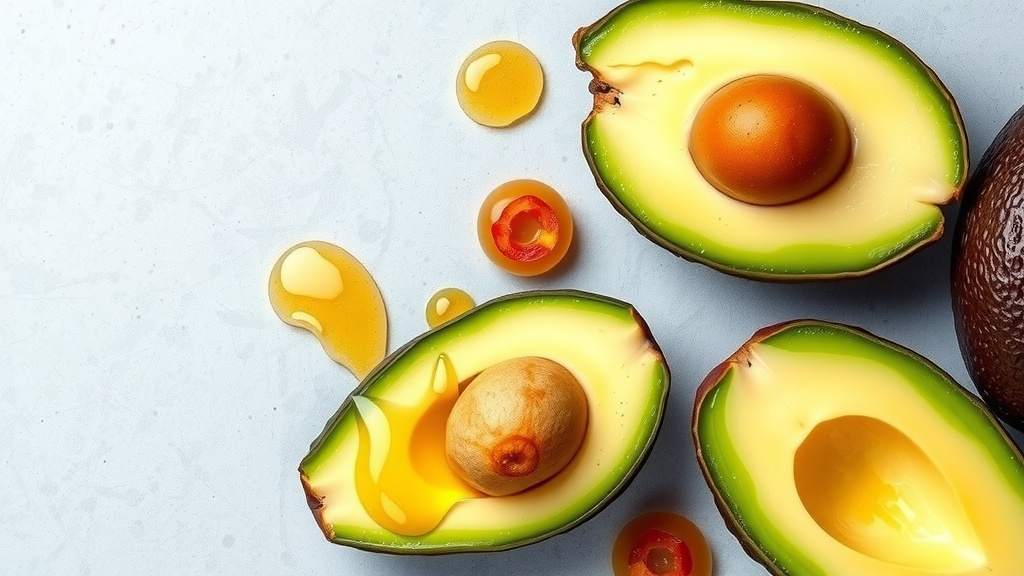
Avocado Oil vs Olive Oil Nutrition: Which is Healthier
When comparing avocado oil and olive oil, **avocado oil often has a slight edge for high-heat cooking** due to its higher smoke point. However, both are fantastic sources of healthy fats and offer distinct nutritional benefits. Your choice may depend on how you plan to use it.
You’re likely wondering which oil is “healthier” for your pantry. We found that while both are rich in monounsaturated fats, avocado oil boasts more vitamin E, and extra virgin olive oil is packed with antioxidants called polyphenols. Think of them as healthy fat powerhouses with unique superpowers.
- Avocado oil is great for searing and frying because it doesn’t burn easily.
- Olive oil, especially extra virgin, shines in dressings and low-heat cooking.
- Both oils are loaded with healthy monounsaturated fats.
- Avocado oil offers more vitamin E, while olive oil has potent antioxidants.
- Your best bet is to use both for different culinary needs!
Let’s break down the nutritional details of avocado oil versus olive oil so you can make the best choice for your kitchen and your health.
Understanding the Nutritional Differences: Avocado vs. Olive Oil
You’re curious about which cooking oil is better for you, avocado oil or olive oil. Both are nutritional superstars. We found that they offer distinct benefits depending on your cooking style and health goals. Let’s look at what makes each one special.
Fat Content: What’s Inside Your Oil?
When we talk about healthy oils, we’re often referring to their **fat profiles**. Both avocado and olive oils are rich in monounsaturated fats. These are the good guys that can help support your heart health.
Monounsaturated Fats: The Heart’s Best Friend
Monounsaturated fats (MUFAs) are a type of dietary fat. They are liquid at room temperature. They tend to solidify when chilled. Many health organizations recommend them as part of a balanced diet (CDC). They can help lower bad cholesterol levels. This is good for your overall cardiovascular system.
Saturated and Polyunsaturated Fats: A Supporting Cast
While MUFAs are the stars, these oils also contain other fats. They have smaller amounts of saturated fats and polyunsaturated fats. Saturated fats are solid at room temperature. Polyunsaturated fats include omega-3 and omega-6 fatty acids. The balance of these fats is important for your body.
Comparing Fat Breakdown (per tablespoon, approximate)
| Fat Type | Avocado Oil | Olive Oil (Extra Virgin) |
|---|---|---|
| Total Fat | 14g | 14g |
| Monounsaturated Fat | 9.8g | 10g |
| Polyunsaturated Fat | 1.7g | 1.1g |
| Saturated Fat | 1.9g | 1.4g |
As you can see, the numbers are quite close. Both are excellent choices for increasing your intake of healthy monounsaturated fats. You’re getting a lot of bang for your buck with either one.
Vitamins and Antioxidants: The Extra Boost
Beyond fats, these oils pack other beneficial compounds. These can add an extra layer of health support to your meals. It’s like getting a bonus from your cooking!
Vitamin E: A Powerful Antioxidant
Avocado oil is a particularly good source of **Vitamin E**. This vitamin is a potent antioxidant. It helps protect your cells from damage caused by free radicals. We found that avocado oil can contain significantly more Vitamin E than olive oil.
Vitamin E Content Comparison
For a tablespoon, avocado oil can provide around 2.5 mg of Vitamin E. This is about 17% of the daily recommended intake for many adults (NIH). Olive oil offers a smaller amount, typically around 1-2 mg per tablespoon.
Polyphenols: The Olive Oil’s Special Gift
Olive oil, especially extra virgin olive oil (EVOO), is famous for its **polyphenols**. These are powerful antioxidants found naturally in olives. They give EVOO its characteristic bitter and peppery taste.
The Power of Polyphenols
Research suggests that polyphenols in olive oil have anti-inflammatory properties. They may contribute to reduced risk of chronic diseases (NCBI). The specific types and amounts can vary depending on the olive variety and processing. So, choosing a good quality EVOO is key.
Smoke Point and Cooking Applications
Your cooking method can influence which oil works best. The smoke point is the temperature at which an oil starts to burn and produce smoke. This affects flavor and can create harmful compounds.
Avocado Oil: The High-Heat Champion
Avocado oil has a **remarkably high smoke point**, typically around 520°F (271°C) for refined avocado oil. This makes it ideal for cooking methods that require high temperatures.
- Searing steaks
- Frying chicken
- Roasting vegetables at high heat
- Stir-frying
When you’re cooking at high temperatures, avocado oil is less likely to break down. This helps maintain its nutritional integrity and keeps your kitchen smoke-free.
Olive Oil: Best for Gentle Heat and Finishing
Olive oil has a lower smoke point than avocado oil. Extra virgin olive oil typically smokes around 375°F (190°C). Refined olive oil can go higher, but EVOO is where many of its beneficial compounds are preserved.
- Salad dressings
- Drizzling over finished dishes
- Low-heat sautéing
- Baking
For these uses, olive oil not only performs well but also adds its distinct flavor. You get a lovely fruity or peppery note.
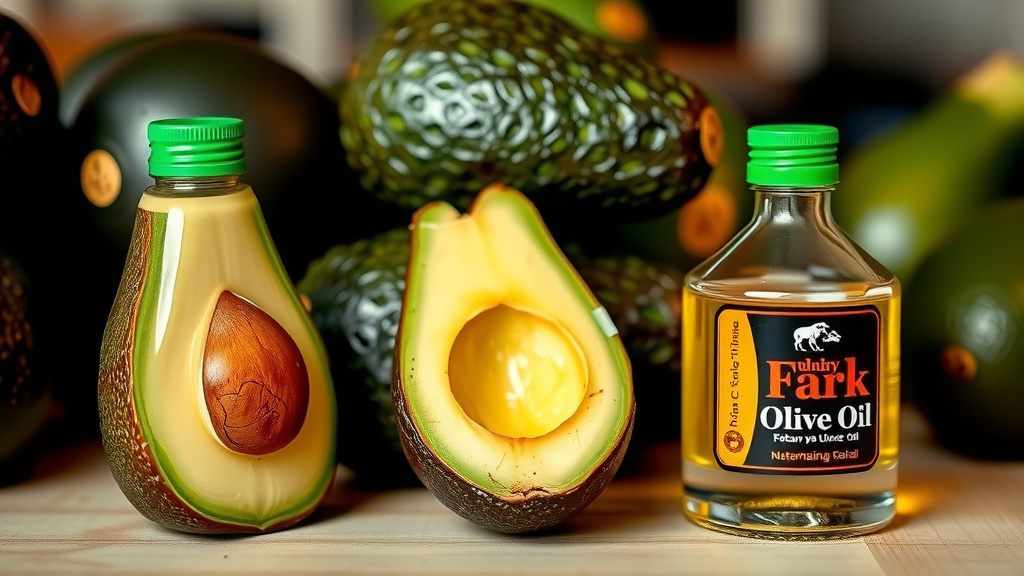
Flavor Profiles: Adding Zest to Your Meals
The taste of your cooking oil matters! Both avocado and olive oil bring different flavor experiences to your plate.
Avocado Oil: Mild and Neutral
Avocado oil has a **very mild, subtle flavor**. It’s almost neutral, making it incredibly versatile. You can use it in almost any dish without overpowering other ingredients.
Olive Oil: Distinct and Flavorful
Olive oil, especially extra virgin, has a more pronounced flavor. It can range from fruity and grassy to peppery and robust. This characteristic flavor is a huge part of why it’s loved in Mediterranean cuisines.
Choosing the Right Oil for Your Needs
So, which one should you stock in your pantry? Many experts suggest having both on hand.
- For high-heat cooking: Reach for **avocado oil**.
- For dressings and finishing: **Extra virgin olive oil** is your go-to.
- For baking: Either can work, but consider the flavor profile you want.
It’s not really about one being “better” than the other. They are both fantastic sources of healthy fats with unique advantages. Think of them as different tools in your culinary toolbox.
Quick Checklist for Your Kitchen Oils
To summarize, here’s a quick way to remember the key differences:
- Avocado Oil: High smoke point, mild flavor, great for searing.
- Olive Oil (EVOO): Rich in polyphenols, flavorful, best for low heat.
- Both: Excellent sources of monounsaturated fats.
- Avocado Oil: Higher in Vitamin E.
- Olive Oil: Packed with beneficial antioxidants called polyphenols.
- Your best bet: Use both oils for different cooking needs!
Conclusion
You’ve learned that both avocado oil and olive oil are excellent choices for your kitchen. Avocado oil shines for high-heat cooking with its mild flavor and high smoke point. Extra virgin olive oil is your go-to for dressings and flavor, packed with heart-healthy polyphenols. They both offer fantastic monounsaturated fats. It’s not about picking a single winner; it’s about using the right tool for the job. We recommend keeping both on hand to maximize your culinary creations and health benefits.
Frequently Asked Questions
Can I substitute avocado oil for olive oil in baking?
Yes, you generally can substitute avocado oil for olive oil in baking. Avocado oil has a neutral flavor that won’t compete with your other ingredients. Its high smoke point is less critical for baking, so either oil works well for many recipes.
Is avocado oil or olive oil better for weight loss?
Both oils are rich in healthy monounsaturated fats, which can be part of a balanced diet that supports weight management. Neither oil is a magic bullet for weight loss on its own. Focus on overall dietary patterns and portion control.
Which oil is best for salad dressing: avocado or olive oil?
Extra virgin olive oil is typically preferred for salad dressings due to its robust, distinct flavor. Its fruity or peppery notes add a delicious dimension to your greens. Avocado oil can be used if you prefer a more neutral taste.
Are there any specific health benefits of avocado oil over olive oil?
Avocado oil is a superior source of Vitamin E compared to olive oil. Vitamin E is a powerful antioxidant that helps protect your cells from damage. Both oils provide healthy fats beneficial for heart health.
What does “extra virgin” mean for olive oil, and why is it important?
“Extra virgin” means the olive oil is unrefined and of the highest quality. It’s extracted using natural methods without heat or chemicals. This process preserves its beneficial compounds, like polyphenols, and its rich flavor.

![7 Best Extra Virgin Olive Oil For Skin [2026]](https://bestpureessentialoils.com/wp-content/uploads/2026/08/7-best-extra-virgin-olive-oil-for-skin-2026-featured-768x432.jpg)
![7 Best Cheap Olive Oil For Cooking [2026]](https://bestpureessentialoils.com/wp-content/uploads/2026/06/7-best-cheap-olive-oil-for-cooking-2026-featured-768x432.jpg)
![7 Best Extra Virgin Olive Oil From Sicily [2026]](https://bestpureessentialoils.com/wp-content/uploads/2026/08/7-best-extra-virgin-olive-oil-from-sicily-2026-featured-768x432.jpg)