
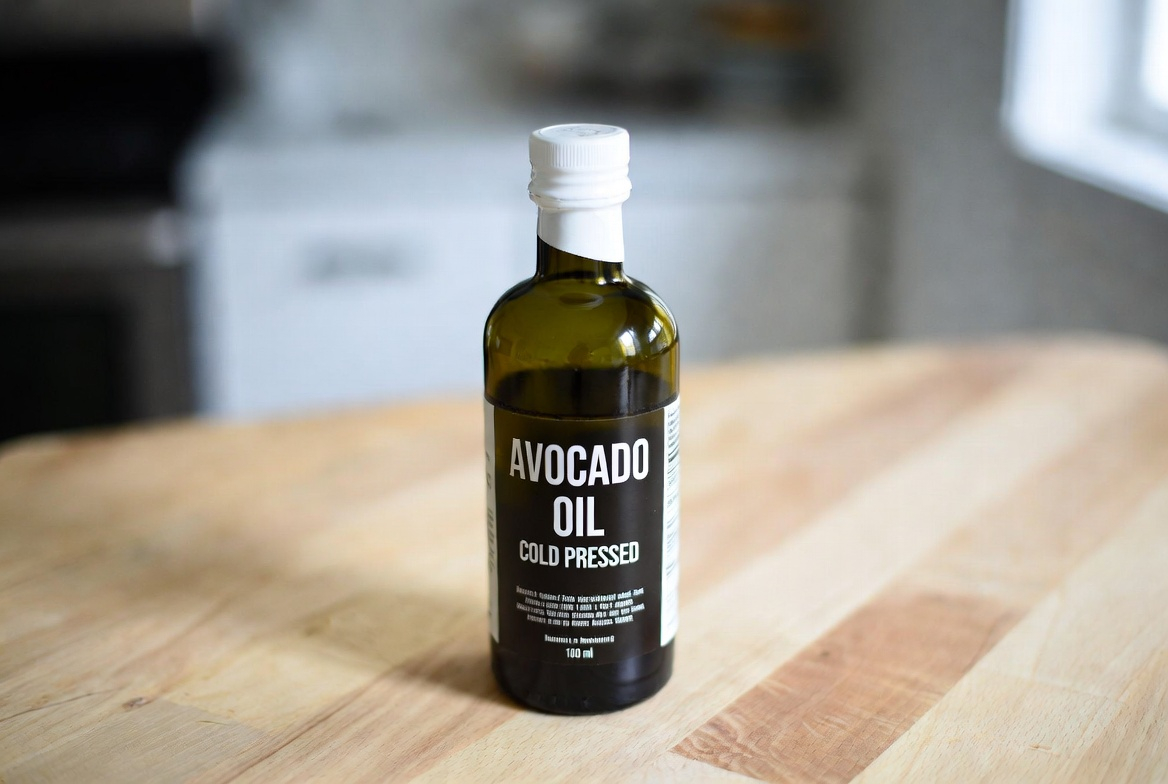
Avocado Oil Benefits vs Olive Oil: Which Is the Ultimate Superfood?
When you’re standing in the cooking oil aisle at your local grocery store, staring at shelves lined with gleaming bottles of green and golden liquids, do you ever wonder which one actually deserves a permanent spot in your kitchen? I certainly have. Both avocado oil and olive oil have earned their reputations as nutritional powerhouses, but they’re not created equal. Let me take you on a journey to discover which of these two oils might be the better choice for your lifestyle and health goals.
Understanding the Basic Differences Between These Two Oils
Before we dive into the nitty-gritty comparisons, let’s establish what we’re actually talking about. Avocado oil and olive oil come from completely different plants and are extracted using different methods. This fundamental difference creates distinct nutritional profiles, smoke points, and culinary applications. Think of them as cousins rather than twins—they’re related in their health benefits, but they have their own unique personalities.
What Is Avocado Oil Exactly?
Avocado oil is extracted from the flesh of avocados, the same creamy fruit you might be adding to your morning toast. Unlike olive oil, which comes from pressing olives, avocado oil is obtained from the nutrient-dense pulp surrounding the pit. The extraction process involves crushing the fruit flesh and then separating the oil through either centrifugation or cold-pressing methods. This creates an oil that’s naturally rich in vitamins, minerals, and healthy fats.
What Makes Olive Oil the Kitchen Staple?
Olive oil, on the other hand, has been a cornerstone of Mediterranean cuisine for thousands of years. It’s produced by pressing or crushing olives to extract their natural juices. Extra virgin olive oil, the most prized variety, is cold-pressed without heat or chemicals, which preserves its antioxidants and phenolic compounds. It’s become synonymous with healthy eating, and for good reason.
Nutritional Comparison: Breaking Down the Facts
Now here’s where things get really interesting. While both oils are predominantly composed of fat, the type and quality of those fats differ significantly. Let me break down what you’re actually getting in each bottle.
Caloric Content and Macronutrient Profile
Both oils contain roughly 120 calories per tablespoon, so they’re nutritionally equivalent in terms of energy density. However, what matters more is the composition of those calories. Avocado oil contains about 71 percent monounsaturated fat, 13 percent polyunsaturated fat, and 12 percent saturated fat. Olive oil typically contains about 73 percent monounsaturated fat, 11 percent polyunsaturated fat, and 14 percent saturated fat. The differences are marginal, which means both are excellent sources of heart-healthy monounsaturated fats.
Micronutrients and Antioxidants
This is where the story becomes more nuanced. Extra virgin olive oil is loaded with polyphenols, particularly oleocanthal and oleuropein, which are powerful antioxidants that combat inflammation in your body. These compounds are responsible for the peppery sensation you experience when you taste quality olive oil. Avocado oil also contains antioxidants, including lutein and zeaxanthin, which are particularly beneficial for eye health. While olive oil might win in terms of polyphenol content, avocado oil offers a different spectrum of protective compounds.
Vitamin E Content
Avocado oil actually outshines olive oil when it comes to vitamin E content. This fat-soluble vitamin acts as a powerful antioxidant in your body, protecting cells from oxidative damage. If your goal is to maximize vitamin E intake through your cooking oil, avocado oil would be the superior choice.
Smoke Point Showdown: Which Oil Handles Heat Better?
Here’s a practical consideration that often gets overlooked in health discussions: what happens when you heat these oils? The smoke point is the temperature at which an oil begins to break down and produce smoke, releasing harmful compounds called free radicals.
Avocado Oil’s Heat Tolerance
Avocado oil boasts an impressive smoke point of around 520 degrees Fahrenheit. This makes it incredibly versatile in the kitchen. You can use it for high-heat cooking methods like stir-frying, sautéing, and even roasting vegetables without worrying about degradation. Its stability at high temperatures is one of its greatest advantages.
Olive Oil’s Temperature Limitations
Extra virgin olive oil has a lower smoke point, typically between 375 to 405 degrees Fahrenheit. This means it’s better suited for low to medium-heat cooking, salad dressings, drizzling over finished dishes, and dipping bread. If you heat extra virgin olive oil beyond its smoke point, you risk compromising its delicate polyphenols and creating oxidation products. Regular or light olive oil has a slightly higher smoke point around 465 degrees, but it’s processed and lacks the beneficial compounds of extra virgin varieties.
Health Benefits of Avocado Oil
Let’s explore what makes avocado oil such a compelling choice for health-conscious individuals.
Heart Health and Cholesterol Management
The monounsaturated fats in avocado oil work to reduce bad LDL cholesterol while maintaining or even increasing beneficial HDL cholesterol. This favorable lipid profile can significantly reduce your risk of cardiovascular disease. When you incorporate avocado oil into your diet, you’re essentially giving your heart a helping hand.
Anti-Inflammatory Properties
While avocado oil doesn’t have as many polyphenols as olive oil, it still contains compounds that help reduce systemic inflammation. Chronic inflammation is the underlying cause of many modern diseases, from arthritis to diabetes to heart disease. Using anti-inflammatory oils as part of your cooking routine can be a simple yet effective preventative measure.
Blood Pressure Regulation
Avocado oil contains potassium, which plays a crucial role in blood pressure regulation by counteracting sodium’s effects on your cardiovascular system. Additionally, the monounsaturated fats help improve arterial flexibility and blood flow, supporting healthy blood pressure levels.
Enhanced Nutrient Absorption
Here’s something fascinating: when you consume fat-soluble vitamins like vitamins A, D, E, and K alongside dietary fat, your body absorbs them more efficiently. Avocado oil acts as a vehicle for these essential nutrients. If you’re making a salad with carotenoid-rich vegetables like spinach and carrots, adding avocado oil dramatically increases the bioavailability of these important compounds.
Eye Health Support
The lutein and zeaxanthin in avocado oil accumulate in your retina and macular region of the eye, providing protection against age-related macular degeneration and cataracts. These carotenoids essentially act as internal sunglasses for your eyes.
Health Benefits of Olive Oil
Now let’s give olive oil its well-deserved moment in the spotlight.
Exceptional Antioxidant Power
Extra virgin olive oil is loaded with phenolic compounds that have been extensively studied for their disease-fighting capabilities. These antioxidants neutralize free radicals and reduce oxidative stress, which is implicated in aging and disease development. The Mediterranean populations that consume olive oil regularly have consistently lower rates of heart disease and cancer.
Brain Protection and Cognitive Function
The polyphenols in olive oil have shown promise in protecting against cognitive decline and neurodegenerative diseases like Alzheimer’s. Oleocanthal, one of olive oil’s signature compounds, may help clear amyloid-beta plaques that accumulate in Alzheimer’s disease. If you’re thinking about long-term brain health, olive oil deserves serious consideration.
Bone Health Enhancement
Studies have indicated that olive oil consumption is associated with higher bone mineral density, particularly in women. The polyphenols appear to stimulate bone-forming cells and inhibit bone-resorbing cells, essentially tipping the balance toward stronger bones as you age.
Gut Microbiome Support
Your gut bacteria thrive on diverse nutrients, and olive oil provides prebiotic compounds that feed beneficial microbes. A healthy microbiome is increasingly recognized as foundational to overall health, affecting everything from immune function to mental health.
Anti-Cancer Potential
The oleic acid and polyphenols in olive oil have demonstrated anti-proliferative effects against cancer cells in laboratory and animal studies. While human evidence is still emerging, the Mediterranean diet—built heavily on olive oil—is consistently associated with lower cancer rates.
Culinary Applications and Practical Usage
Understanding the nutritional profiles is one thing, but how do these oils actually perform in your kitchen?
When to Use Avocado Oil
Avocado oil is your go-to for high-heat cooking. Use it for stir-fries, sautéing proteins, roasting vegetables at high temperatures, and even making homemade mayonnaise. Its neutral flavor won’t overpower delicate dishes, making it versatile across cuisines. The buttery, mild taste also works beautifully in smoothies or drizzled over warm soup.
When to Use Olive Oil
Reserve your premium extra virgin olive oil for finishing dishes, salad dressings, dipping, and low-temperature cooking. If you’re making pasta sauce, add your olive oil at the end to preserve those beneficial polyphenols. Its robust, fruity flavor is meant to shine, not be destroyed by heat. For Mediterranean cooking, it’s genuinely irreplaceable.
Cost Considerations and Budget Impact
Let’s be honest about the financial aspect. Quality extra virgin olive oil and premium avocado oil can both be expensive. However, olive oil has been around longer and has a more established market, sometimes making it slightly more affordable. Avocado oil prices have been dropping as production increases. For budget-conscious consumers, using each oil strategically—expensive extra virgin olive oil for finishing, less expensive refined oils for cooking—can maximize your investment.
Environmental and Sustainability Factors
The environmental impact of your food choices matters increasingly to conscientious consumers. Olive farming has a long, established history with relatively low environmental impact when managed responsibly. However, commercial avocado farming in some regions has led to deforestation and water depletion concerns. When purchasing avocado oil, look for sustainable, responsibly sourced products to minimize your environmental footprint.
Potential Downsides and Considerations
Avocado Oil Concerns
Some avocado oil products are adulterated with cheaper oils like soybean or canola oil. Buy from reputable brands with third-party testing verification. Additionally, the environmental impact of avocado farming in water-scarce regions is a legitimate concern worth considering.
Olive Oil Limitations
The lower smoke point of extra virgin olive oil limits its culinary flexibility. Also, the olive oil market has experienced fraud and adulteration issues, so sourcing from trustworthy producers is essential. Some people also find the strong flavor of extra virgin olive oil off-putting in certain applications.
Storage and Shelf Life Comparison
Both oils benefit from cool, dark storage away from direct sunlight and heat. Extra virgin olive oil tends to be more fragile and should ideally be used within a year of opening. Avocado oil, being slightly more stable, has a longer shelf life. Store both in opaque bottles in a cool cabinet or pantry, never above your stove where heat and light exposure will degrade their quality.
The Verdict: Which Oil Should You Choose?
This isn’t really an either-or situation. The healthiest kitchen contains both oils, each used for its specific strengths. If you’re primarily interested in high-heat cooking and want robust antioxidant protection with better heat stability, avocado oil is your winner. If you’re seeking the most extensively researched health benefits and the broadest spectrum of polyphenols, and if you don’t mind limiting yourself to lower-temperature applications, olive oil takes the crown.
Consider your cooking style, your climate, your budget, and your specific health goals. Someone with cardiovascular disease concerns might prioritize olive oil’s proven heart benefits. An athlete looking to maximize nutrient absorption during high-temperature meal prep might choose avocado oil. The reality is that both are nutritionally superior to most vegetable oils on the market.
Conclusion
The debate between avocado oil and olive oil isn’t really about determining a singular “winner”—it’s about understanding the unique advantages each brings to your kitchen and your health. Avocado oil offers superior heat stability, impressive vitamin E content, and practical versatility for high-temperature cooking. Olive oil, particularly the extra virgin variety, brings centuries of traditional use, unparalleled antioxidant power, and compelling research supporting brain and bone health.
The wisest approach is to keep both in your pantry and use them strategically. Use avocado oil when you need the heat tolerance and neutral flavor. Reach for olive oil when you want to prioritize polyphenol intake and are cooking at lower temperatures. Your body doesn’t care which oil you use—it cares that you’re making conscious choices about the food you consume. Both of these oils represent a significant upgrade over highly refined seed oils, so whichever you choose, you’re already moving in a healthier direction. The ultimate superfood isn’t the one that’s objectively perfect; it’s the one that fits into your lifestyle and that you’ll actually use consistently.
Frequently Asked Questions
Can I mix avocado oil and olive oil together for cooking?
Absolutely. Mixing them can be a smart strategy. The avocado oil raises the overall smoke point while the olive oil contributes antioxidants. However, this approach works best for medium-heat cooking. If you’re doing high-heat stir-frying, stick with avocado oil alone to avoid damaging the olive oil’s beneficial compounds.
Is refined avocado oil better or worse than extra virgin?
Refined avocado oil has a higher smoke point and longer shelf life, making it more practical for cooking, but it loses some of the nutrients present in unrefined versions. Extra virgin avocado oil retains more antioxidants and vitamin E. For daily cooking, refined works fine. For maximum nutrition, seek unrefined varieties.
Which oil is better for weight loss?
Since both contain the same caloric density, neither has a direct weight loss advantage. However, both promote satiety through their monounsaturated fat content, which may help you eat fewer calories overall. The olive oil’s polyphenols may have slight metabolic benefits, but the difference is minimal. Focus on portion control regardless of which oil you choose.
Can someone with a nut allergy consume avocado oil?
Yes, absolutely. Despite coming from a fruit, avocado oil is generally safe for people with tree nut allergies. However, always verify with your allergist and check product labels for potential cross-contamination warnings, as some production facilities may process tree nuts.
How do I know if my olive oil is authentic and not adulterated?
Look for the “PDO” (Protected Designation of Origin) seal on the bottle, which guarantees authentic oils from specific regions. Buy from reputable producers and check for third-party


![7 Best Olive Oil Brands In Italy [2026]](https://bestpureessentialoils.com/wp-content/uploads/2026/09/7-best-olive-oil-brands-in-italy-2026-featured-768x432.jpg)