
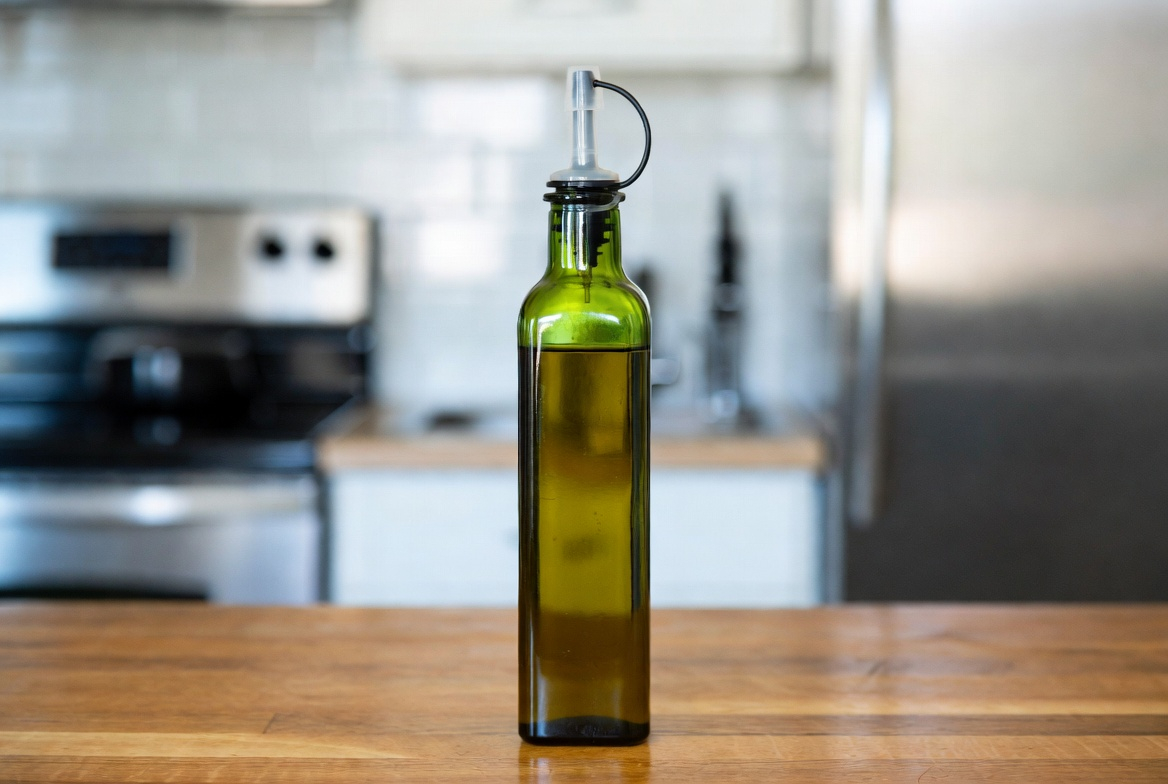
Avocado Oil Calories vs Olive Oil: Which One Is Better for Weight Loss?
When you’re standing in front of the cooking oil aisle at your grocery store, you might feel like you’re facing an impossible choice. Should you grab that bottle of avocado oil or stick with the classic olive oil? If you’re watching your weight or trying to make healthier choices in the kitchen, this question becomes even more critical. I’ve been there myself—confused about which oil would actually support my fitness goals rather than sabotage them.
Today, I want to walk you through everything you need to know about avocado oil calories versus olive oil. We’ll compare their nutritional profiles, explore how they affect your weight loss journey, and help you figure out which one deserves a permanent spot in your kitchen cabinet.
Understanding Oil Calories: The Basic Facts
Let me start with something that might surprise you. Most cooking oils, regardless of whether they’re avocado or olive oil, contain roughly the same calorie content per tablespoon. We’re talking about around 120 calories in just one tablespoon of either oil. That’s actually more calories than you’d find in an entire apple or a cup of plain yogurt. Pretty eye-opening, right?
But here’s where things get interesting. While the calorie count is nearly identical, the way your body processes these calories differs dramatically. It’s kind of like comparing a dollar bill to a dollar’s worth of gold—the value might be the same, but what you’re actually getting is completely different.
Breaking Down Avocado Oil Nutritionally
Avocado oil has become increasingly popular among health enthusiasts, and for good reason. This oil comes from the creamy fruit that’s packed with nutrients, and much of that goodness carries through to the oil.
Caloric Content of Avocado Oil
In a single tablespoon of avocado oil, you’re looking at approximately 120 calories. If you’re cooking with a quarter cup, that jumps to about 480 calories. Most of these calories come from fat, which might sound concerning until you understand what type of fat we’re discussing.
The Fat Composition That Matters
What makes avocado oil stand out is its fat profile. About 70% of the fat in avocado oil is monounsaturated fat, often referred to as oleic acid. This is the same type of healthy fat found abundantly in olives. Your body actually craves this type of fat for optimal function. It helps absorb fat-soluble vitamins like A, D, E, and K, and it supports brain health and hormone production.
The remaining fat content includes:
- Polyunsaturated fats (approximately 12%)
- Saturated fats (approximately 12%)
Vitamins and Bioactive Compounds
Beyond its fat content, avocado oil contains lutein, which is crucial for eye health. It also provides vitamin E, a powerful antioxidant that protects your cells from oxidative stress. Some varieties of avocado oil contain polyphenols, which are plant compounds with anti-inflammatory properties.
Examining Olive Oil’s Nutritional Profile
Olive oil has been a cornerstone of the Mediterranean diet for centuries, and nutritional science continues to validate why people have relied on it for thousands of years.
Olive Oil Calories Compared
Just like avocado oil, a tablespoon of olive oil contains about 120 calories. There’s virtually no difference here. However, the nutritional quality and how these calories impact your body can vary based on the type of olive oil you purchase.
Understanding Olive Oil’s Fat Profile
Olive oil, particularly extra virgin varieties, contains approximately 75% monounsaturated fat. This is slightly higher than avocado oil’s monounsaturated fat content. The remaining composition includes polyunsaturated fats and saturated fats in smaller amounts.
What’s fascinating about olive oil is that it contains oleic acid just like avocado oil, but extra virgin olive oil also provides something special: polyphenols. These are natural compounds that give olive oil its characteristic bitter and peppery taste, and they’re responsible for many of its health benefits.
The Polyphenol Advantage
Extra virgin olive oil, especially cold-pressed varieties, can contain up to 400 milligrams of polyphenols per liter. These compounds have been extensively studied for their anti-inflammatory and antioxidant properties. Some research suggests they may help reduce the risk of chronic diseases like heart disease and type 2 diabetes.
Calories vs. Nutritional Value: What Actually Matters for Weight Loss
Here’s something I wish someone had explained to me earlier on my health journey. You can’t evaluate an oil solely based on its calorie count. It’s like judging a car only by its fuel capacity without considering its fuel efficiency or performance.
How Your Body Processes Different Fats
When you consume monounsaturated fats from avocado oil or olive oil, your body doesn’t simply store them away as fat on your belly. These fats actually increase satiety, meaning they help you feel fuller longer. They also support stable blood sugar levels, which reduces the constant cravings that sabotage weight loss efforts.
Your body needs fat to function properly. Without it, you experience hormonal imbalances, nutrient absorption issues, and decreased metabolic efficiency. Cutting oil entirely isn’t the answer—choosing the right oil is.
The Thermic Effect of Food
Your body burns calories just by digesting food, and this is called the thermic effect. Interestingly, dietary fat requires more energy to digest compared to simple carbohydrates. While the difference isn’t massive, when you’re trying to lose weight, every bit counts.
Heat Stability: Which Oil Should You Cook With?
Here’s something many people overlook when comparing oils. The way you use an oil matters tremendously for both its nutritional value and its impact on weight loss.
Avocado Oil’s Heat Tolerance
Avocado oil has a smoke point of around 500 degrees Fahrenheit, making it excellent for high-heat cooking. This means you can use it for searing, stir-frying, or even roasting vegetables without damaging its nutritional properties. When oils heat above their smoke point, they break down and form harmful compounds called free radicals that can actually increase inflammation in your body.
Olive Oil’s Smoke Point
Extra virgin olive oil has a smoke point of about 375 degrees Fahrenheit, while refined olive oil can handle up to 465 degrees. This means extra virgin olive oil is better suited for low to medium-heat cooking, salad dressings, and finishing dishes. Using it for high-heat cooking actually destroys many of its beneficial compounds.
Practical Implications for Your Kitchen
If you’re trying to lose weight and improve your health, using the right oil for the right purpose matters. You might actually benefit from having both oils in your kitchen. Use avocado oil for cooking, and reserve your extra virgin olive oil for salads and cold applications where you can maximize its polyphenol benefits.
Weight Loss Considerations: The Real Comparison
Let’s cut through the confusion and address what you really want to know. Which oil will help you lose weight more effectively?
Satiety and Appetite Control
Both avocado oil and olive oil excel at promoting satiety. The monounsaturated fat in both oils triggers the release of hormones that signal fullness to your brain. If you drizzle some olive oil on your salad or cook your vegetables in avocado oil, you’ll naturally eat less at your next meal because you’ll feel more satisfied.
Metabolic Impact
Research suggests that consuming olive oil, particularly extra virgin varieties with their polyphenol content, may have a slight metabolic advantage. Some studies indicate that the polyphenols in olive oil may increase fat oxidation, meaning your body burns more fat for energy. However, these effects are modest and shouldn’t be overestimated.
Inflammation and Weight Loss
Both oils have anti-inflammatory properties, which is important for weight loss because chronic inflammation is linked to weight gain and difficulty losing weight. By reducing systemic inflammation, both avocado and olive oil support your body’s ability to shed pounds more effectively.
Portion Control: The Real Weight Loss Factor
Let me be honest with you. The difference between avocado oil and olive oil in terms of weight loss potential is minimal compared to one critical factor: how much you’re using.
It’s easy to accidentally pour too much oil. One tablespoon is hard to visualize, but it represents 120 calories. If you’re using two tablespoons instead of one when cooking dinner, you’ve just added 120 calories that you might not even realize you consumed. Over a week, that’s 840 extra calories, which equals about a quarter pound of body weight.
My recommendation? Use a measuring spoon or a kitchen scale initially. Yes, it feels tedious, but it takes just a couple of weeks before you develop an accurate sense of portion sizes.
Culinary Uses and Flavor Profiles
When to Choose Avocado Oil
Avocado oil has a mild, buttery flavor that doesn’t overpower delicate dishes. It’s perfect for cooking fish, preparing vegetables for roasting, or making homemade mayo. Because of its high smoke point, it’s also ideal for anyone who enjoys pan-searing or stir-frying. If you’re cooking at higher temperatures, avocado oil is genuinely the superior choice.
When to Choose Olive Oil
Extra virgin olive oil shines in Mediterranean cuisine. Use it to dress salads, drizzle over soup, make vinaigrettes, or finish roasted vegetables. The robust flavor actually adds satisfaction to your meals, which can support weight loss by making food feel more indulgent and satisfying despite being healthy.
Cost Considerations in Your Weight Loss Budget
Let’s talk about something practical. Quality avocado oil typically costs more than olive oil. A bottle of premium extra virgin olive oil might run you twelve to eighteen dollars, while a comparable bottle of avocado oil could be twenty to thirty dollars.
For weight loss purposes, this price difference shouldn’t influence your decision. Neither oil is expensive enough that cost should be your primary factor. Instead, focus on which oil aligns better with your cooking habits and flavor preferences. You’re more likely to stick with your weight loss goals if you actually enjoy the food you’re eating.
Environmental and Sustainability Factors
While calories are crucial for weight loss, so is environmental responsibility and making choices you can feel good about.
Olive oil production has a longer, more established history with sustainable farming practices in Mediterranean regions. However, avocado oil production has grown significantly, and many producers are implementing sustainable practices.
The environmental impact of either oil shouldn’t significantly influence your weight loss decision unless you’re deeply committed to a specific sustainability standard. Both are legitimate choices from an environmental standpoint if you purchase from responsible producers.
Health Considerations Beyond Weight Loss
Heart Health
Both oils support cardiovascular health through their monounsaturated fat content. Extra virgin olive oil, with its additional polyphenols, has particularly strong research supporting its role in heart disease prevention. If heart health is a concern for you, olive oil might edge ahead slightly.
Blood Sugar Control
Both oils help stabilize blood sugar by slowing digestion and glucose absorption. This is beneficial for weight loss because stable blood sugar means fewer cravings and more sustained energy throughout your day.
Brain Function and Cognitive Health
The monounsaturated fats in both oils support brain health. Some studies suggest that olive oil’s polyphenols might have additional neuroprotective benefits. If you’re concerned about cognitive decline or want to support your brain health as you age, both oils are excellent choices.
Making Your Final Decision
After everything we’ve discussed, here’s my honest assessment. For weight loss specifically, avocado oil and olive oil are essentially equivalent. They contain the same calories, provide similar healthy fats, and support satiety and metabolism in comparable ways.
Your decision should come down to:
- Your cooking methods and preferred temperatures
- Your taste preferences and favorite cuisines
- The flavor profile you want in your meals
- Your budget constraints
- Availability in your local stores
If you enjoy high-heat cooking and prefer a neutral flavor, avocado oil is your winner. If you appreciate Mediterranean flavors and do mostly low-heat cooking and salad dressing, olive oil takes the crown. Ideally, having both in your kitchen allows you to optimize for each cooking situation.
Conclusion
The great avocado oil versus olive oil debate doesn’t have a clear winner when weight loss is your primary concern. Both oils contain virtually identical calorie counts at 120 calories per tablespoon, and both provide monounsaturated fats that support satiety, reduce inflammation, and promote overall health.
The real secret to weight loss isn’t choosing between these two excellent oils—it’s using the right amount of whichever oil you choose. Measure your portions, cook at appropriate temperatures, and select the oil that fits your cooking style and taste preferences. Your consistency and overall dietary choices will have far more impact on your weight loss journey than debating between these two healthy fats.
Remember, neither oil is bad for weight loss. Both are significantly healthier choices than refined vegetable oils or trans fats. Embrace whichever one you prefer, use it wisely, and focus your weight loss efforts on the bigger picture: creating a calorie deficit through balanced nutrition and regular physical activity. That’s where real, lasting weight loss happens.
Frequently Asked Questions
Does avocado oil have fewer calories than olive oil?
No, avocado oil and olive oil contain essentially the same number of calories. Both provide approximately 120 calories per tablespoon. The caloric difference is negligible and shouldn’t be a factor in choosing between them for weight loss purposes. Instead, focus on using the appropriate amount of whichever oil you choose and consider other nutritional factors like fat composition and heat stability.
Can I use avocado oil and olive oil interchangeably in recipes?
While you can technically use them interchangeably in many recipes, doing so might affect flavor and nutritional quality. Avocado oil has a higher smoke point and neutral flavor, making it better for high-heat cooking. Extra virgin olive oil has a lower smoke point and distinctive flavor, making it ideal for salads, dressings, and finishing dishes. Using each oil for its optimal purpose preserves nutrition and enhances flavor.
Which oil is better for metabolic health and weight loss?
Both oils support metabolic health similarly through their monounsaturated fat content. Some research suggests extra virgin olive oil’s polyphenols might provide a slight metabolic edge, but the difference is minimal. Your overall diet, portion control, and exercise habits matter far more for weight loss than choosing between these two nutritionally comparable oils.
Should I completely avoid cooking oils if I’m trying to lose weight?
Absolutely not. Cutting out all cooking oils is counterproductive for weight loss. Healthy fats from oils like avocado and olive oil support nutrient absorption, hormone production, brain function, and satiety. Instead of avoiding oils, use appropriate portions and choose oils with strong nutritional

![7 Best Cretan Olive Oil [2026]](https://bestpureessentialoils.com/wp-content/uploads/2026/06/7-best-cretan-olive-oil-2026-featured-768x432.jpg)
![7 Best Foods Olive Oil Mayo Ingredients [2026]](https://bestpureessentialoils.com/wp-content/uploads/2026/08/7-best-foods-olive-oil-mayo-ingredients-2026-featured-768x432.jpg)
![7 Best Medicinal Olive Oil [2026]](https://bestpureessentialoils.com/wp-content/uploads/2026/09/7-best-medicinal-olive-oil-2026-featured-768x432.jpg)
![7 Best Cold Pressed Virgin Olive Oil [2026]](https://bestpureessentialoils.com/wp-content/uploads/2026/06/7-best-cold-pressed-virgin-olive-oil-2026-featured-768x432.jpg)
![7 Best Green Olive Oil [2026]](https://bestpureessentialoils.com/wp-content/uploads/2026/08/7-best-green-olive-oil-2026-featured-768x432.jpg)