
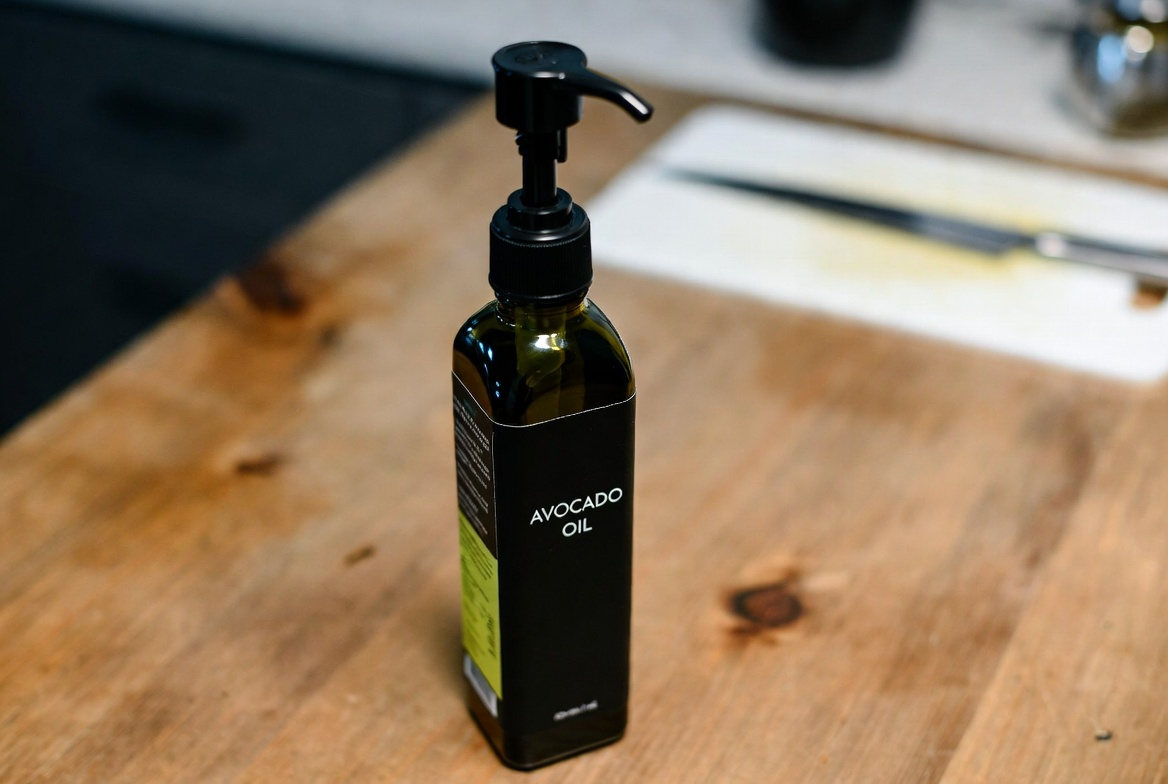
Avocado Oil Mayo vs Olive Oil Mayo: The Real Winner for Your Sandwiches
Have you ever stood in the condiment aisle, staring at two jars of mayo and wondering which one would actually make a difference in your lunch? You’re not alone. The mayo debate has quietly become one of those kitchen decisions that nobody talks about at dinner parties, but everyone thinks about when they’re making a sandwich. Today, we’re diving deep into the showdown between avocado oil mayo and olive oil mayo to figure out which one deserves a permanent spot in your refrigerator.
Understanding the Mayo Evolution
Traditional mayonnaise has been a kitchen staple for centuries, but it’s had a serious makeover in recent years. Gone are the days when mayo was simply mayo. Now we’ve got options, and these options come with their own nutritional profiles, flavor profiles, and price tags. The rise of avocado oil mayo and olive oil mayo represents something bigger—a shift toward more conscious eating and understanding what we’re actually putting into our bodies.
Think of mayonnaise as the blank canvas of the condiment world. The oil you choose to make it with is like picking your primary color. Everything else flows from that decision, affecting not just how your sandwich tastes, but potentially how it affects your health.
What Makes Mayo, Mayo?
Before we can compare, we need to understand the fundamentals. Mayo is surprisingly simple in its construction. At its core, it’s just eggs, oil, and acid—usually lemon juice or vinegar. The magic happens through emulsification, where the egg yolks act as a bridge, helping the oil and water-based ingredients come together into that creamy, smooth texture we all know and love.
The difference between traditional mayo and its newer cousins? The type of oil used. This seemingly small change actually has rippling effects on taste, nutrition, and even how your body processes what you’re eating.
The Emulsification Process Explained
The egg yolk contains lecithin, a natural emulsifier that’s basically the peacemaker between oil and water. When you whisk them together, you’re creating millions of tiny oil droplets suspended in the water, held in place by that lecithin. The type of oil you use doesn’t change this process, but it absolutely changes the flavor and nutritional value of the final product.
Avocado Oil Mayo: The Modern Contender
Avocado oil mayo burst onto the scene like the new kid at school who everyone immediately wants to befriend. It comes with a health halo, trendy packaging, and promises of better nutritional value. But does it live up to the buzz?
The Nutritional Profile of Avocado Oil Mayo
Avocado oil is extracted from—you guessed it—avocados. It’s rich in monounsaturated fats, the same “good” fats that make avocados themselves a nutritional powerhouse. A typical serving of avocado oil mayo contains:
- High levels of oleic acid, a monounsaturated fat linked to heart health
- Vitamin E, a powerful antioxidant that protects your cells
- Lutein, which supports eye health
- Lower levels of saturated fat compared to some alternatives
When you choose avocado oil mayo, you’re essentially getting a condiment that’s been fortified with some of the benefits you’d get from eating avocado itself. It’s not quite the same nutritional punch, but it’s a step in the right direction.
Flavor Characteristics of Avocado Oil Mayo
Here’s where avocado oil mayo plays a subtle game. The flavor is delicate and slightly buttery, with just a hint of creaminess that goes beyond what you’d get from regular mayo. It doesn’t announce itself like a trumpet; instead, it whispers in the background, enhancing other flavors rather than dominating them.
This makes it particularly versatile. On a turkey sandwich? It’s wonderful. On fish tacos? Equally fantastic. It’s the diplomatic choice—it gets along with almost everything without causing flavor conflicts.
Price and Availability
Let’s be honest—avocado oil mayo typically costs more. You’re paying a premium for that nutritional profile and trendy branding. Major grocery stores now stock it regularly, though you’ll find it in the premium condiment section rather than with the regular mayo. Availability has improved significantly over the past few years, but it’s still not as universally present as olive oil mayo.
Olive Oil Mayo: The Traditional Alternative
Olive oil mayo isn’t exactly new—Europeans have been using it for decades. But in the American market, it’s positioned as an alternative to both traditional mayo and the newer avocado oil option. It carries with it the weight of Mediterranean tradition and centuries of culinary wisdom.
The Nutritional Powerhouse Behind Olive Oil
Olive oil, particularly extra virgin olive oil, is backed by serious scientific research. We’re talking about the cornerstone of the Mediterranean diet, which has been studied extensively for its health benefits. When you choose olive oil mayo, you’re getting:
- Polyphenols, powerful compounds with anti-inflammatory properties
- Oleic acid, similar to avocado oil, supporting cardiovascular health
- A rich history of research showing cardiovascular benefits
- Natural antioxidants that have been studied for decades
The research behind olive oil is frankly more extensive than avocado oil. Scientists have been studying olive oil’s effects on human health for generations, and the evidence is compelling.
The Flavor Experience of Olive Oil Mayo
This is where things get interesting. Olive oil mayo has personality. Depending on whether it’s made with regular olive oil or extra virgin olive oil, you might experience anything from a subtle, almost unnoticeable olive presence to a bold, grassy, slightly peppery flavor that makes its presence known.
For some people, this is a feature. For others, it’s a bug. If you’re making a delicate chicken salad, a strongly flavored olive oil mayo might overpower it. But if you’re making a Mediterranean-style sandwich or something Italian-inspired, it’s an absolute match.
Smoke Point and Cooking Applications
Here’s a practical consideration that often gets overlooked. Olive oil has a lower smoke point than avocado oil, meaning it breaks down at lower temperatures. This matters if you’re using mayo in cooking applications rather than just spreading it on bread. Avocado oil mayo handles heat better, making it more versatile in a kitchen setting.
Direct Comparison: Head-to-Head
Nutrition Battle
Both mayo types are essentially equal in terms of calories and total fat content—they’re both still mayo, after all. The real difference lies in the micronutrients. Avocado oil mayo brings vitamin E and lutein to the table. Olive oil mayo brings polyphenols and decades of research supporting its cardiovascular benefits. If forced to choose based purely on nutrition, olive oil mayo has the edge due to the extensive research behind it, but avocado oil mayo isn’t far behind.
Flavor Versatility
Avocado oil mayo wins this round. Its subtle flavor profile makes it compatible with virtually any sandwich, salad, or dish. Olive oil mayo is more particular—it wants to be noticed, and it works best when you’re actually trying to highlight olive flavors.
Price Comparison
Olive oil mayo typically costs less, especially if you buy store brands. It’s had more time to establish itself in the market, which has driven prices down. Avocado oil mayo remains the more expensive option.
Cooking Performance
Avocado oil mayo’s higher smoke point makes it better for any cooking application. If you’re making mayo-based sauces that will see heat, avocado oil is your friend.
The Health Debate: What Actually Matters
Let’s step back from the specs and talk about what really matters for your health. Both avocado oil mayo and olive oil mayo are rich in calories and fat. Neither is a health food in the traditional sense. If you’re eating mayo regularly, the type you choose matters less than the amount you’re consuming.
Think of it this way: switching from regular mayo to either of these alternatives is like switching from soda to diet soda. You’re making a marginal improvement, but you’re not fundamentally changing your diet’s impact on your health. The real health benefit comes from the bigger picture of your eating patterns.
Saturated Fat Content
Both alternatives contain less saturated fat than traditional mayo, which is the main health advantage. If you have cholesterol concerns, this difference might matter to your doctor.
The Antioxidant Question
Olive oil mayo contains more polyphenols due to the nature of olive oil itself. These antioxidants have been studied for their anti-inflammatory properties. Avocado oil mayo has vitamin E, which is also antioxidant. Neither has a knockout punch here—they’re just different approaches to the same goal.
Real-World Usage Scenarios
For the Classic Sandwich Maker
If you’re making traditional sandwiches—turkey and swiss, roast beef, ham and cheese—avocado oil mayo is your answer. Its neutral flavor won’t interfere with the delicate balance of ingredients you’ve carefully assembled.
For the Mediterranean Food Enthusiast
If you’re building Greek salads, Italian meats platters, or anything featuring Mediterranean flavors, olive oil mayo is practically made for you. Its flavor complements these ingredients beautifully.
For the Adventurous Cook
If you like experimenting with mayo-based sauces, mayonnaise for cooking, or heat-based applications, avocado oil mayo’s higher smoke point makes it the better choice.
For the Budget-Conscious Shopper
Olive oil mayo usually wins on price. Store brands are widely available and cost significantly less than premium avocado oil mayo options.
Storage and Shelf Life Considerations
Both types of mayo last about the same length of time once opened—typically three months in the refrigerator. Unopened jars can last much longer. The higher proportion of monounsaturated fats in both alternatives means they’re slightly less stable than traditional mayo made with more saturated fats, but the difference is minimal for home use.
Neither needs any special storage conditions beyond what you’d do with regular mayo. Keep them refrigerated after opening, and don’t leave them sitting out at room temperature for extended periods.
Environmental and Ethical Considerations
Here’s something that often gets overlooked in the mayo debate. Avocado oil production has raised environmental concerns in some regions, particularly regarding water usage in drought-prone areas. Olive oil production, meanwhile, has deep historical roots and is often more sustainable in Mediterranean regions where it’s been cultivated for millennia.
If sustainability matters to you, looking at the sourcing of your mayo might be as important as the nutritional label. Some avocado oil mayo brands are more transparent about their sourcing than others, as are olive oil brands.
Brand Quality Matters More Than You Think
Whether you choose avocado oil or olive oil mayo, the brand you select matters significantly. A premium avocado oil mayo made with quality ingredients will outperform a budget olive oil mayo made with questionable components.
Look for brands that use real eggs, minimal additives, and clearly sourced oils. The ingredient list should be short and readable. If you can’t recognize most of what’s listed, that’s a signal to look elsewhere.
The Taste Test: What Real People Say
If you ask people who’ve tried both, you’ll get predictably mixed responses. Some swear by avocado oil mayo for its subtle taste and versatility. Others insist that olive oil mayo’s flavor is essential to their cooking. Many people can’t tell the difference when mayo is mixed into larger dishes.
The best approach? Try both and see what works for your palate and your cooking style. Your taste buds are the ultimate judge here, not any article you read online, including this one.
Making Your Own: The Ultimate Control
If you’re someone who likes complete control over ingredients, making your own mayo isn’t actually that difficult. You can use whichever oil you prefer and make it exactly how you like it. The process takes about five minutes with an immersion blender.
This approach eliminates concerns about additives and lets you adjust flavors to your preference. It’s also surprisingly economical if you make it regularly, since bulk oils are cheaper than pre-made mayo jars.
Conclusion
So which one wins the battle between avocado oil mayo and olive oil mayo? The honest answer is that there is no single winner—only the winner for your specific situation.
Choose avocado oil mayo if you want a neutral, versatile condiment that works with virtually any food, has a slightly better nutritional profile for heat applications, and don’t mind paying a premium. It’s the safe choice that works everywhere.
Choose olive oil mayo if you appreciate bold flavors, want to support a product backed by centuries of research, prefer a lower price point, and tend to eat foods that pair well with olive flavors. It’s the choice with character and history.
Choose neither if you’re looking for a health miracle—both are still calorie-dense condiments that should be used in moderation. The real health benefit comes from choosing whole foods most of the time and saving these delicious additions for moments when they truly matter.
The truth is, the best mayo is the one you’ll actually use and enjoy. If avocado oil mayo makes you happier, that small boost in satisfaction and willingness to use it might actually be the healthiest choice. If olive oil mayo fits your budget and your flavors, that’s equally valid. This isn’t a situation where one objective answer exists—it’s a situation where your preferences, budget, and cooking style should guide your decision.
Frequently Asked Questions
Is avocado oil mayo actually healthier than olive oil mayo?
Both are roughly equivalent in terms of overall health benefit, though they contain different micronutrients. Avocado oil mayo has vitamin E and lutein, while olive oil mayo has polyphenols. Olive oil has more extensive research backing its health benefits, but avocado oil isn’t far behind. Neither is a significant health food—they’re both condiments best used in moderation. The real health factor is how much mayo you consume overall, not which type you choose.
Can I use avocado oil mayo and olive oil mayo interchangeably in recipes?
For most applications, yes. The main exception is when olive flavor is specifically desired in a Mediterranean-style dish, where olive oil mayo shines. Avocado oil mayo is more universally compatible due to its subtle flavor. In cooking applications with heat, avocado oil mayo performs better due to its higher smoke point. For cold applications like salads and sandwiches, they’re largely interchangeable unless flavor pairing is important to your recipe.
Why is avocado oil mayo more expensive than olive oil mayo?
Several factors contribute to the price difference. Avocado oil is a newer product in the American market, so it hasn’t achieved the economies of scale that olive oil has. Avocado production can be more resource-intensive, and the extraction process may be less efficient. Additionally, brands marketing avocado oil mayo often position it as a premium product with premium pricing. Store brands of olive oil mayo have had longer to establish market presence, which typically drives prices down over time.

![7 Best Meyer Lemon Olive Oil [2026]](https://bestpureessentialoils.com/wp-content/uploads/2026/09/7-best-meyer-lemon-olive-oil-2026-featured-768x432.jpg)
![7 Best Everyday Olive Oil For Cooking [2026]](https://bestpureessentialoils.com/wp-content/uploads/2026/07/7-best-everyday-olive-oil-for-cooking-2026-featured-768x432.jpg)

![7 Best Expensive Olive Oil [2026]](https://bestpureessentialoils.com/wp-content/uploads/2026/07/7-best-expensive-olive-oil-2026-featured-768x432.jpg)