
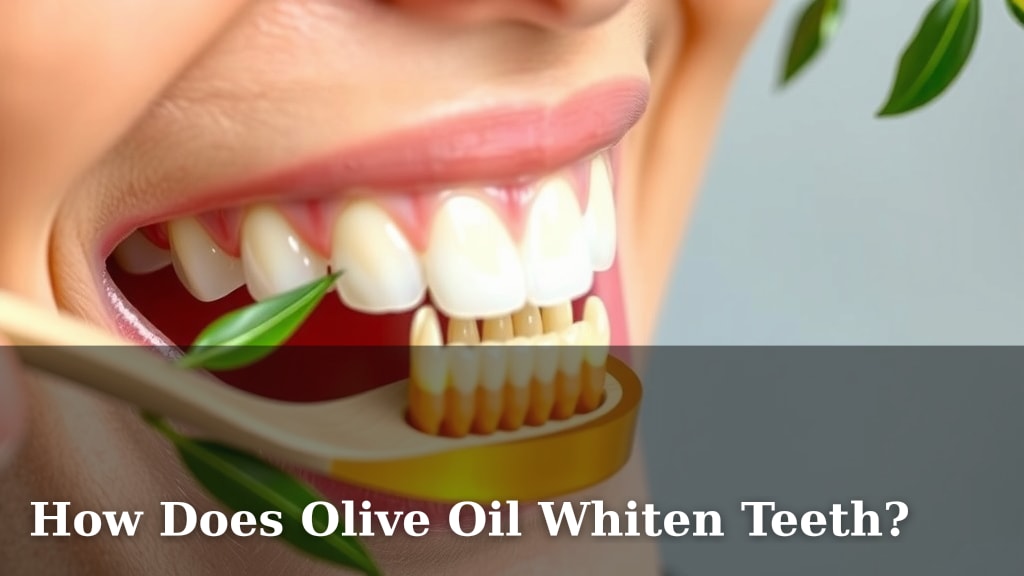
How Does Olive Oil Whiten Teeth?
Yes, some people believe that olive oil can help whiten teeth through a practice called oil pulling. The idea is that swishing olive oil in your mouth may help remove plaque and surface stains. While not a replacement for professional dental care, it’s a natural method many try for a brighter smile.
Oil pulling has roots in ancient Ayurvedic medicine. People use various oils, like coconut or sesame, but olive oil is also sometimes chosen for its potential. Research suggests that oil pulling might help reduce bacteria in your mouth, which can contribute to both stained teeth and gum issues. Many find it a simple, gentle addition to their oral hygiene routine.
- Olive oil might help whiten teeth by removing plaque.
- It’s a natural method, often called oil pulling.
- This practice has been around for centuries.
- It may also help reduce harmful mouth bacteria.
Let’s take a closer look at how this method is thought to work and what you should know before you try it yourself.
Can Olive Oil Really Brighten Your Smile?
You might be wondering if olive oil can actually make your teeth whiter. The short answer is: it might help with surface stains. It’s not a magical bleach, but it works through a method called oil pulling. This technique has been around for a very long time.
What is Oil Pulling?
Oil pulling is an ancient Ayurvedic practice. You swish oil in your mouth. You do this for about 15 to 20 minutes. Then you spit it out. Many people use coconut oil, but olive oil is also sometimes chosen. The idea is that the oil ‘pulls’ toxins and bacteria from your mouth.
How Olive Oil Might Work for Whitening
Olive oil contains oleic acid. This is a type of monounsaturated fat. Some research suggests that this acid might help break down plaque on your teeth. Plaque is a sticky film. It often holds onto food particles and bacteria. These can lead to stains over time. By helping to remove plaque, olive oil could potentially lift some of those surface stains. Think of it like a gentle scrubbing action.
The Role of Bacteria
Your mouth is home to many types of bacteria. Some of these bacteria can produce acids. These acids can damage your tooth enamel. They can also contribute to discoloration. Oil pulling might help reduce the number of these harmful bacteria. When bacteria are reduced, there’s less chance for them to contribute to stains and decay. Some studies found a reduction in certain types of oral bacteria after oil pulling (National Center for Biotechnology Information).
Is It Scientifically Proven?
While the practice is ancient, scientific research is still growing. Some studies show promise. For example, a study published in the *Journal of Traditional and Complementary Medicine* found that oil pulling with coconut oil could reduce Streptococcus mutans, a key bacteria linked to tooth decay and staining. While this study focused on coconut oil, the principle of oil binding to bacteria may apply to olive oil as well.
It’s important to understand that olive oil isn’t a substitute for professional teeth whitening treatments. It won’t change the intrinsic color of your teeth. But it can help manage extrinsic stains, which are stains on the surface. These are often caused by things you eat and drink.
How to Try Olive Oil Pulling for a Brighter Smile
If you’re curious, giving olive oil pulling a try is fairly simple. Just remember to do it correctly. It’s a gentle way to potentially add to your oral care routine. Here’s how you can do it:
Getting Started
First, you’ll need a good quality extra virgin olive oil. Some people prefer it because it has a milder taste than regular olive oil. You don’t need much; about one tablespoon is usually enough. Make sure you haven’t eaten or drunk anything beforehand.
The Swishing Process
Take the tablespoon of olive oil into your mouth. Swish it around. Gently ‘pull’ it through your teeth. Try to move it back and forth. Do this for about 15 to 20 minutes. It might feel strange at first. You might want to start with a shorter time, like 5 minutes, and gradually increase it.
What to Do After
This is a critical step: do NOT swallow the oil. It has collected bacteria and toxins. Spit it into the trash, not your sink. Swallowing it can reintroduce those things into your body. Wastes can clog your pipes. After spitting, rinse your mouth thoroughly with warm water. You can even swish with salt water. Then, brush your teeth as usual. This removes any lingering oil residue.
How Often Should You Do It?
Consistency is key if you’re looking for results. Many people do oil pulling once a day. Some prefer doing it in the morning before breakfast. Others do it before bed. Find a time that works for your schedule. It’s often recommended to do it daily for at least a few weeks to see potential changes.
Potential Benefits Beyond Whitening
While many are interested in the whitening aspect, oil pulling offers other potential advantages for your oral health. Research has explored these benefits as well.
Reducing Bad Breath
Halitosis, or bad breath, is often caused by bacteria. These bacteria produce sulfur compounds. By removing some of these odor-causing bacteria, oil pulling might help freshen your breath. A study in the *Indian Journal of Dental Research* found that oil pulling significantly reduced microorganisms that contribute to bad breath.
Improving Gum Health
Gum disease starts with inflammation. This is often due to plaque buildup. The ‘pulling’ action might help dislodge plaque along the gum line. This can potentially reduce gum inflammation and bleeding. It’s a gentle way to support your gums. However, it’s not a cure for serious gum disease like periodontitis.
What to Keep in Mind
While olive oil pulling is generally considered safe for most people, there are a few things to be aware of. Your oral health is unique, and what works for one person might not be ideal for another. It’s always wise to discuss any new oral health practices with your dentist.
When to Be Cautious
If you have a known allergy to olive oil, you should avoid this practice. Also, if you experience any discomfort, pain, or unusual symptoms, stop immediately. Some people might find the texture or taste unpleasant. Others might find it triggers their gag reflex. It’s okay if it’s not for you.
Realistic Expectations
Remember, olive oil is not a miracle cure. Its whitening effects are mostly on surface stains. It won’t dramatically change the color of your teeth overnight. If you have deep intrinsic stains from medications or trauma, olive oil pulling likely won’t help much.
A Quick Checklist for Trying Olive Oil Pulling:
- Use a good quality extra virgin olive oil.
- Start with about one tablespoon.
- Swish gently for 15-20 minutes.
- Never swallow the oil.
- Spit it into the trash.
- Rinse and brush your teeth afterward.
Incorporating olive oil pulling can be a simple, natural addition to your routine. It might help you achieve a slightly brighter smile and contribute to better oral hygiene. Just be patient and have realistic expectations. Your dentist is always your best resource for personalized advice on achieving a healthy, radiant smile.
Conclusion
So, can olive oil help you achieve a brighter smile? The answer is yes, with realistic expectations. Olive oil pulling can be a natural way to tackle surface stains and improve overall oral hygiene by reducing plaque and bacteria. Remember, it’s a gentle support to your routine, not a replacement for professional dental care or a magic bleach. If you’re curious, give it a try with good quality extra virgin olive oil. Consistently swishing for 15-20 minutes daily might reveal subtle improvements over time. Always spit out the oil, rinse well, and brush afterward. Your best bet for a truly radiant smile is combining home care with regular visits to your dentist.
Frequently Asked Questions
Will olive oil make my teeth whiter instantly?
No, olive oil pulling is not an instant whitening solution. It works gradually by helping to remove surface stains caused by food and drinks. You’ll need to be consistent with the practice for several weeks to notice any significant changes.
Is extra virgin olive oil better than regular olive oil for oil pulling?
Many people prefer extra virgin olive oil because it often has a milder taste and aroma. While research is still exploring the differences, extra virgin olive oil is generally recommended for its quality and potentially less intense flavor during the swishing process.
Can I swallow the olive oil after swishing?
Absolutely not. You should never swallow the oil after oil pulling. It collects bacteria and toxins from your mouth, and swallowing it would reintroduce them into your body.
What should I do if I gag while oil pulling?
It’s common for people to gag when first trying oil pulling. If this happens, try starting with a shorter duration, like 5 minutes, and gradually increase the time as you get used to it. You can also try a slightly smaller amount of oil.
How often should I practice olive oil pulling?
For best results, many people practice oil pulling once a day. Doing it consistently, perhaps in the morning before eating or drinking anything, is generally recommended to support your oral hygiene goals.

![7 Best Italian Olive Oil [2026]](https://bestpureessentialoils.com/wp-content/uploads/2026/07/7-best-italian-olive-oil-2026-featured-768x432.jpg)
![7 Best Olive Oil Bread Dip Recipe [2026]](https://bestpureessentialoils.com/wp-content/uploads/2026/09/7-best-olive-oil-bread-dip-recipe-2026-featured-768x432.jpg)