Beef Tallow vs Olive Oil for Skin: Which is Best
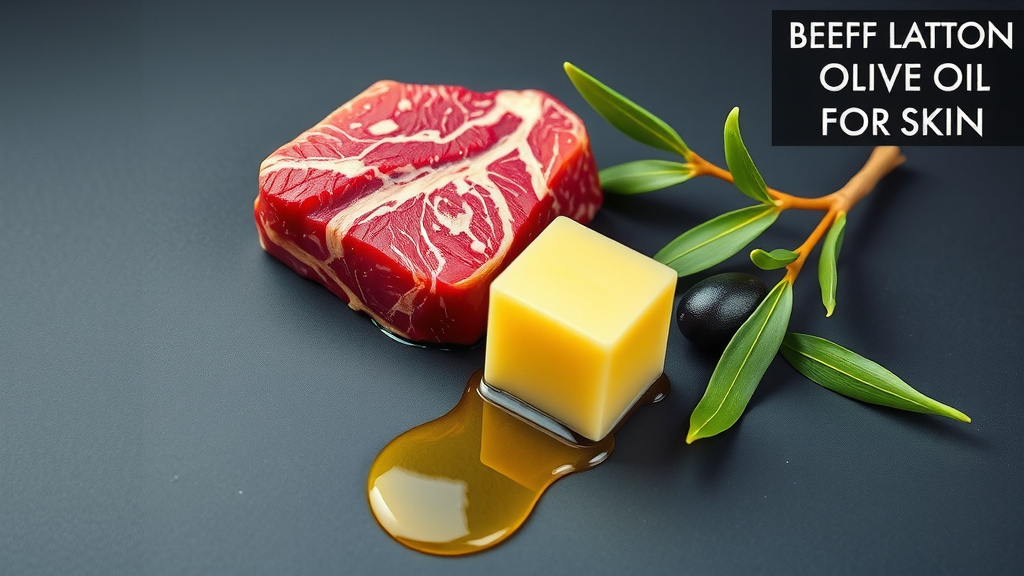
When choosing between beef tallow and olive oil for your skin, **beef tallow often wins for its rich, nourishing properties**. Many find tallow is better at locking in moisture for dry skin. Olive oil can be great, but for intense conditioning, tallow takes the lead.
Both are natural fats your skin can use. Beef tallow is packed with vitamins A, D, and E. It also contains fatty acids similar to our skin’s natural oils. Olive oil is rich in antioxidants. It’s a popular choice, but understanding their unique benefits is key for your skincare routine.
- Beef tallow is great for dry and mature skin.
- Olive oil is good for antioxidant protection.
- Tallow’s fatty acid profile is very skin-compatible.
- Consider your specific skin needs when choosing.
Let’s break down the pros and cons of each to help you decide which is best for your skin.
Comparing Tallow and Olive Oil for Your Skin
Deciding between beef tallow and olive oil for your skin can feel overwhelming. Both are natural fats with distinct benefits. We’ve researched their properties to help you make an informed choice. You might be surprised by what we found!
Understanding Beef Tallow for Skin
Beef tallow is rendered beef fat. For centuries, it’s been used as a moisturizer and skin protectant. It’s known for its ability to deeply nourish and condition the skin.
Nutrient Profile of Tallow
Tallow is rich in vitamins and fatty acids. You’ll find vitamins A, D, E, and K. It also contains conjugated linoleic acid (CLA). Many experts say these components are very similar to our skin’s own sebum. This makes tallow easily absorbed and beneficial.
Fatty Acid Composition
The fatty acid profile of tallow is a key factor. It’s high in oleic acid, palmitic acid, and stearic acid. These fats help to restore the skin barrier. They provide a protective layer, preventing moisture loss. This is why it’s often recommended for very dry skin.
Benefits for Different Skin Types
We found that tallow can be especially helpful for dry, flaky, or mature skin. Its dense texture provides excellent moisturization. It can also help soothe irritation and redness. Some studies suggest its properties might aid in skin repair (NCBI).
Potential Downsides of Tallow
While tallow offers many benefits, there are a few things to consider. Some people may find it too heavy for their skin. If you have very oily or acne-prone skin, you might want to patch-test first. Ensure you’re using properly rendered, high-quality tallow. This helps avoid impurities that could cause issues.
Exploring Olive Oil for Skin
Olive oil is a staple in many kitchens and skincare routines. It’s extracted from olives. It’s widely recognized for its antioxidant properties and moisturizing capabilities.
Key Components of Olive Oil
Olive oil is primarily composed of oleic acid, a monounsaturated fatty acid. It’s also packed with antioxidants, especially polyphenols and vitamin E. These compounds are known to fight free radical damage. They can contribute to skin health over time.
Antioxidant Power
The high antioxidant content in olive oil is a major draw. These antioxidants help protect your skin from environmental stressors. They can contribute to a more youthful and radiant appearance. Research suggests these compounds play a role in skin’s defense mechanisms.
Moisturizing Qualities
Olive oil is a good emollient. It can help soften and smooth the skin. It’s effective at improving skin hydration for many users. However, its fatty acid profile is different from tallow. It might not provide the same occlusive barrier for severely dry skin.
Considerations for Using Olive Oil
While generally safe, olive oil can be comedogenic for some individuals. This means it might clog pores. If you’re prone to breakouts, you might find it too heavy. It’s best to use extra virgin olive oil for skincare. This type retains the most beneficial nutrients.
Direct Comparison: Tallow vs. Olive Oil
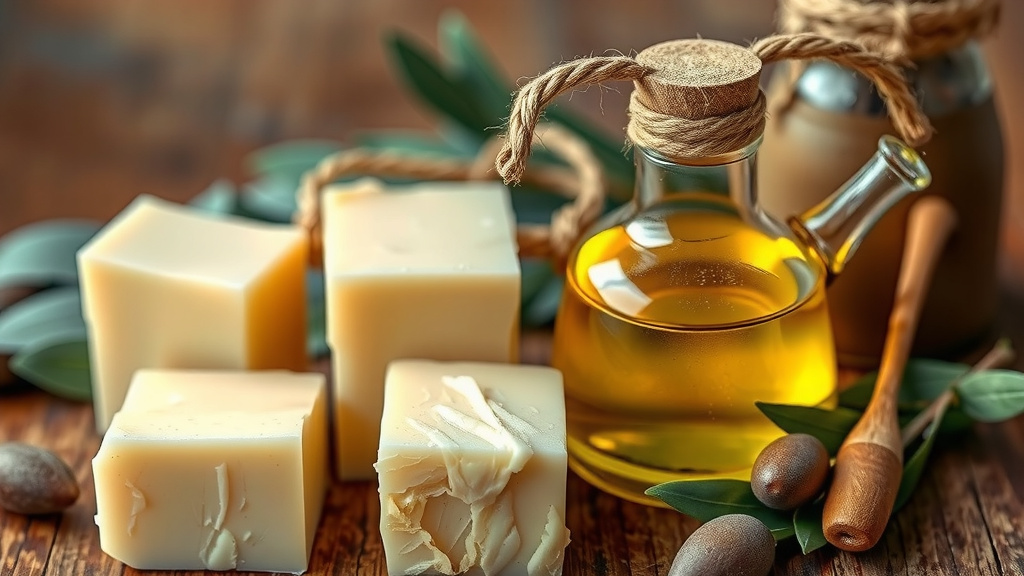
Let’s put them side-by-side to see how they stack up. Think of it like choosing between a thick, warm blanket and a light, airy scarf for your skin.
| Feature | Beef Tallow | Olive Oil |
|---|---|---|
| Primary Use | Deep moisture, skin barrier support | Antioxidant protection, general hydration |
| Fatty Acid Profile | Similar to skin sebum; rich in saturated and monounsaturated fats | High in oleic acid (monounsaturated); lower in saturated fats |
| Vitamins | A, D, E, K | E (primarily) |
| Texture | Rich, dense, can feel heavy | Lighter oil, can feel slick |
| Best For | Very dry, mature, or compromised skin | Normal to dry skin, antioxidant support |
| Potential Concerns | Can be too heavy for oily/acne-prone skin; quality matters | Can clog pores for some; quality varies |
Which is Better for Moisture Retention?
When it comes to locking in moisture, tallow often takes the lead. Its fatty acid composition creates a more robust barrier. This helps prevent water loss effectively. Olive oil hydrates, but tallow provides more intense occlusion.
Which Offers Better Antioxidant Protection?
Olive oil is the clear winner here. It’s loaded with polyphenols and vitamin E. These compounds are powerful antioxidants. They help combat oxidative stress on the skin. Tallow has vitamins A and E, but olive oil’s profile is richer in topical antioxidants.
Skin Compatibility and Absorption
Many studies suggest tallow’s fatty acid profile is remarkably similar to human sebum. This compatibility can lead to better absorption. It feels more “natural” to the skin for many. Olive oil is also well-tolerated, but its absorption can vary. Some may find it sits on top of the skin more.
Making Your Choice: A Quick Checklist
To help you decide, consider these points:
- Do you have very dry or flaky skin? Tallow might be your best bet.
- Are you looking for daily antioxidant support? Olive oil excels here.
- Does your skin tend to clog easily? Proceed with caution for both, but tallow might be less likely to cause issues if it suits your skin type.
- Is your skin sensitive or irritated? Both can soothe, but look for high-quality, pure ingredients.
- Do you prefer a richer, more emollient feel? Tallow offers this.
- Are you aiming for lighter hydration and glow? Olive oil is a great choice.
Conclusion
Deciding between beef tallow and olive oil for your skin comes down to your unique needs. We found that tallow excels at deep moisture and barrier repair, making it ideal for very dry or compromised skin. Olive oil shines with its antioxidant power and lighter hydration, perfect for daily protection. Neither is a one-size-fits-all solution. We encourage you to consider your skin type and concerns. Your next step? Try a small patch test of the one that best matches your skin goals to see how your skin responds!
Frequently Asked Questions
Can I use beef tallow if I have acne-prone skin?
You can try, but proceed with caution. Beef tallow is nutrient-dense and can be too heavy for some acne-prone complexions, potentially clogging pores. We suggest starting with a very small amount on a test area first to see if your skin tolerates it.
Is olive oil better for anti-aging than tallow?
Olive oil generally offers better antioxidant protection due to its higher levels of polyphenols and vitamin E. These compounds help fight free radical damage, which is linked to skin aging. Tallow provides essential fatty acids that support skin barrier health, which is also vital for youthful skin.
How can I tell if I’m using high-quality tallow or olive oil?
For tallow, look for products that are rendered using traditional methods and sourced from grass-fed cows. For olive oil, choose extra virgin olive oil that is cold-pressed and ideally stored in dark glass to preserve its nutrients.
Will tallow make my skin greasy?
Tallow can feel richer than olive oil, and some people may find it leaves a greasy sensation, especially if they have oilier skin types. The key is often the amount you use and how you apply it. Massaging it in well can help it absorb better.
Can I use both tallow and olive oil in my routine?
Yes, you absolutely can! Many people find success using them strategically. You might use tallow at night for intense repair and moisturizing, and olive oil in the morning for antioxidant protection and a lighter feel under makeup.

![7 Best Healthy Extra Virgin Olive Oil [2026]](https://bestpureessentialoils.com/wp-content/uploads/2026/08/7-best-healthy-extra-virgin-olive-oil-2026-featured-768x432.jpg)