
How to Get Olive Oil Out of Your Clothes
The easiest way to get olive oil out of your clothes is to act fast and blot away any excess. Then, pre-treat the stain with a dish soap or a laundry pre-treater. Olive oil stains are greasy and can set in if not treated properly. You can often remove them with simple household items.
Dealing with olive oil spills can be frustrating, but don’t panic. Many common laundry challenges, like these stubborn grease stains, have straightforward solutions. We found that a little patience and the right approach can save your favorite shirt. It’s all about understanding the stain and how to tackle it.
- Blot excess oil immediately.
- Pre-treat with dish soap or stain remover.
- Wash in the hottest water safe for the fabric.
- Air dry until you confirm the stain is gone.
Let’s walk through the best steps to tackle those tricky olive oil stains so your clothes can look like new again.
Tackling Those Pesky Olive Oil Stains on Your Clothes
An olive oil stain might seem like the end of the world for your favorite shirt. But don’t worry, we’ve got you covered. Most olive oil stains can be removed with items you probably already have in your kitchen or laundry room. It’s all about a quick, smart approach to break down that grease.
Your Game Plan for Removing Olive Oil Stains
When that bottle of olive oil takes a tumble, your first instinct might be to rub it. Resist that urge! Rubbing can actually push the oil deeper into the fabric fibers. You want to work on lifting the oil away from your clothes. We found that having a plan makes the process much less stressful.
Step 1: Blot Away the Excess Oil
As soon as you notice the spill, grab a clean cloth, paper towel, or even a spare napkin. Gently blot the stained area. The goal here is to soak up as much of the liquid oil as possible before it has a chance to set. Think of it like dabbing a spill on a table – you’re trying to absorb, not spread.
Step 2: Pre-Treat the Stain
This is where the real stain-fighting magic happens. You need something that can cut through the grease.
Using Dish Soap
Dish soap is designed to tackle greasy dishes, so it’s a fantastic weapon against oil stains on fabric. Apply a generous drop of liquid dish soap directly onto the stain. Gently work it into the fabric with your fingers or a soft brush. Let it sit for about 5-10 minutes to allow the soap to start breaking down the oil.
Laundry Pre-Treaters
If you have a commercial laundry pre-treater, that will work wonderfully too. Follow the product’s instructions, but generally, you’ll spray it directly onto the stain and let it sit for a few minutes. We found that many of these products are specifically formulated to handle tough grease stains effectively.
An Unexpected Hero: Baking Soda or Cornstarch
For fresh, wet stains, some research suggests that you can sprinkle baking soda or cornstarch directly onto the oil spot. These powders are absorbent. Let them sit for at least 30 minutes, or even a few hours, to draw out the grease. Then, brush off the powder before you proceed to the next step. This is a great way to tackle a larger spill before pre-treating.
Step 3: Wash the Garment
After pre-treating, it’s time to send the garment for a spin in the washing machine.
Choose the Right Water Temperature
For most olive oil stains, washing in the hottest water setting that is safe for the fabric is recommended. Hot water helps to further break down the grease. Always check the garment’s care label to ensure you don’t damage the material. For delicate fabrics, use the warmest water setting allowed.
Add Your Regular Detergent
Use your normal laundry detergent. You can also add a laundry booster if you have one on hand, especially for stubborn stains. Make sure the pre-treated area gets thoroughly saturated with the wash water and detergent.
Step 4: Inspect Before You Dry
This is a critical step that many people overlook. Before you toss your garment into the dryer, inspect the stain carefully. Hold the fabric up to the light. If you can still see any trace of the oil stain, do NOT put it in the dryer. The heat from the dryer will set the stain, making it nearly impossible to remove later.
What to Do If the Stain Persists
If you still see the stain, repeat the pre-treatment and washing steps. You might need to try a different pre-treatment method or let the dish soap or pre-treater sit for a longer period. Sometimes, patience is key. We found that a second attempt often does the trick.
Step 5: Air Dry Until Confirmed Stain-Free
Once you’re confident the stain is completely gone after washing, it’s time to dry the garment. For the first few drying cycles, it’s often best to air dry your clothes, especially if you’re unsure about the stain’s complete removal. This way, if a faint trace of the stain reappears once dry, you can still re-treat it without the heat setting it in. Once you’ve confirmed the stain is gone after air drying, you can then machine dry it as usual on your next wash.
Dealing with Older, Set-In Stains
Olive oil stains that have been washed and dried multiple times can be much tougher. They’ve had heat applied, which locks them in. For these, you might need a stronger approach. Consider a heavy-duty laundry detergent or a specialized stain remover designed for grease. Some experts suggest trying a solvent-based stain remover, but always test it on an inconspicuous area of the garment first. Remember to check the fabric care label before using any strong cleaning agents.
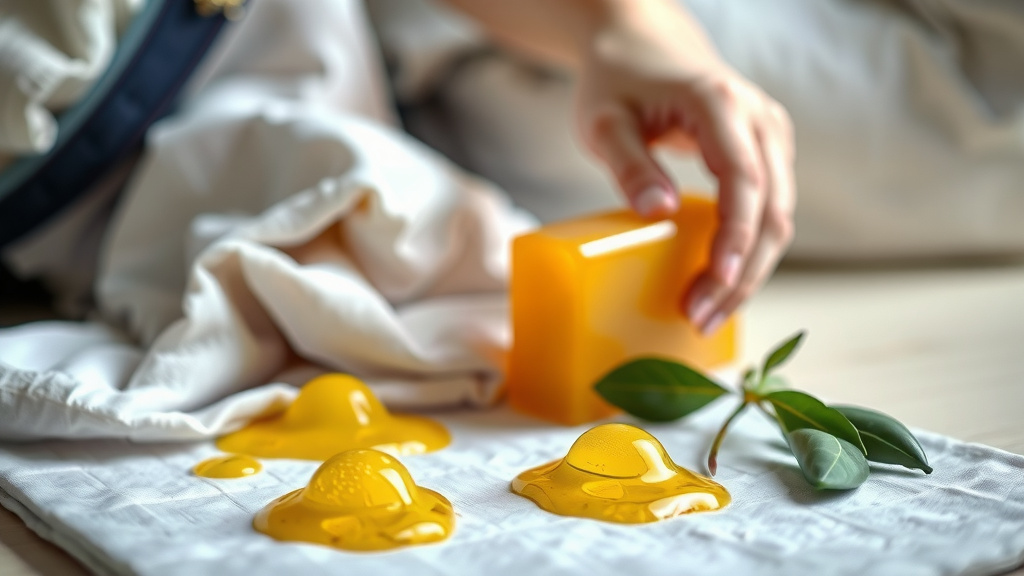
A Quick Checklist for Olive Oil Stain Removal
Here’s a simple rundown to keep handy:
- Act Fast: Blot immediately after the spill.
- Pre-Treat: Apply dish soap or a stain remover.
- Soak: Let the treatment work for 5-10 minutes.
- Wash Hot: Use the warmest water safe for the fabric.
- Inspect: Check carefully before drying.
- Air Dry: Confirm the stain is gone before using the dryer.
Conclusion
You’ve learned that getting olive oil out of your clothes doesn’t have to be a disaster. By acting quickly to blot excess oil and then pre-treating with common household items like dish soap, you can effectively break down the grease. Remember to wash in the hottest water safe for your fabric and, most importantly, always check for the stain before you dry. If the stain persists, don’t hesitate to repeat the steps. For your next olive oil mishap, you’ll be well-prepared to save your favorite garments. Just remember to inspect carefully before you dry – that’s your best defense against set-in stains!
Frequently Asked Questions
Can I use baby powder on an olive oil stain?
Yes, you can use absorbent powders like baby powder, baking soda, or cornstarch on fresh olive oil stains. These powders help to draw out the oil from the fabric before you pre-treat. Let the powder sit on the stain for at least 30 minutes before brushing it off.
How long should I let dish soap sit on an olive oil stain?
We found that letting liquid dish soap sit on the stain for about 5 to 10 minutes is usually enough. This gives the soap time to start breaking down the greasy components of the olive oil so it’s easier to wash out.
What if the olive oil stain is on a delicate fabric like silk?
For delicate fabrics, you’ll need to be more gentle. Instead of vigorous rubbing, try blotting with a soft cloth. Use a very mild dish soap or a stain remover specifically designed for delicates. Always use cool or lukewarm water for washing, and air dry to avoid heat damage.
Is it safe to use an iron on clothes with olive oil stains?
Never use an iron on a garment with an olive oil stain, especially if the stain is still visible. The heat from the iron will set the stain permanently into the fabric, making it nearly impossible to remove later.
Can I treat an olive oil stain with just laundry detergent?
While laundry detergent is part of the washing process, it’s usually not enough on its own for a greasy olive oil stain. You need a stronger degreaser like dish soap or a specialized stain remover for the pre-treatment step. This helps break down the oil before it goes into the wash.


![7 Best Olive Oil At Costco [2026]](https://bestpureessentialoils.com/wp-content/uploads/2026/07/7-best-olive-oil-at-costco-2026-featured-768x432.jpg)