Butter vs Olive Oil Cholesterol: What’s the Difference
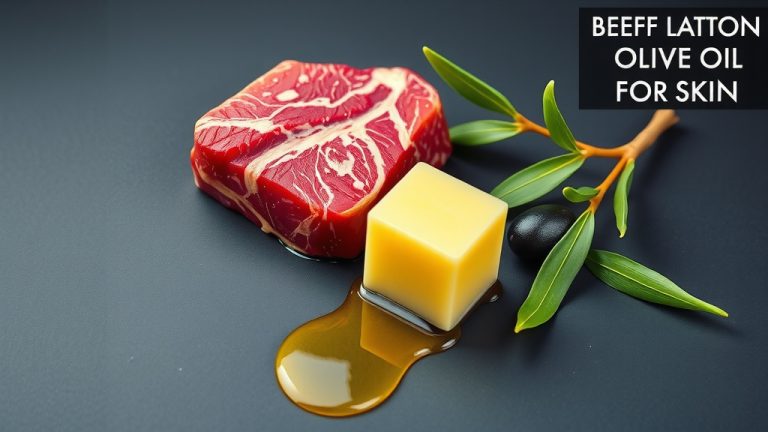
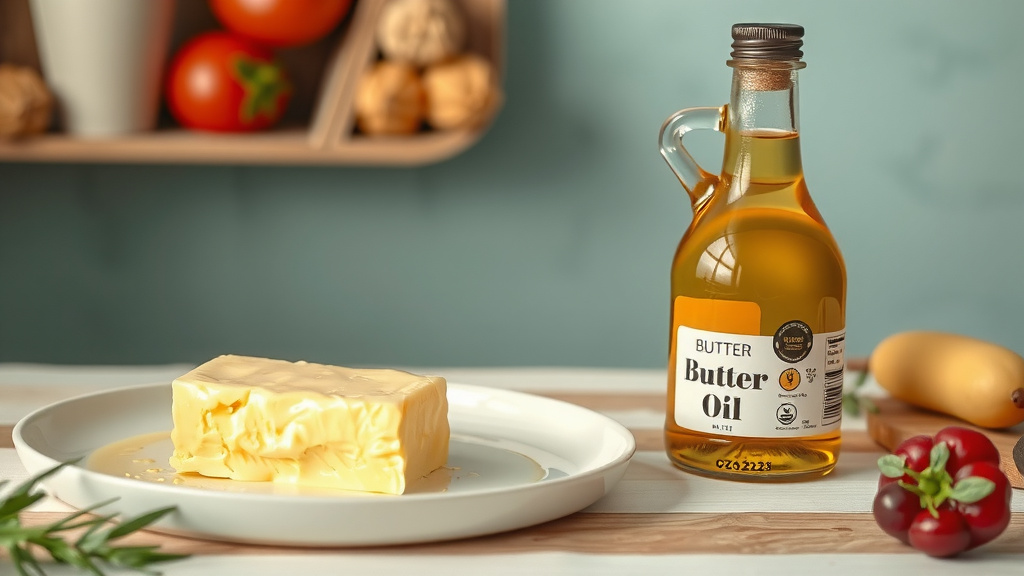
When you’re cooking, choosing between butter and olive oil matters for your cholesterol. Generally, olive oil is better for your heart than butter. This is because olive oil is rich in monounsaturated fats. These fats can help improve your cholesterol levels. Butter, on the other hand, is high in saturated fat, which can raise LDL (bad) cholesterol.
Thinking about your heart health is smart. The fats you choose can impact your body. Olive oil is a star player in the heart-healthy diet. It’s often recommended by doctors. Butter has its place, but it’s best used in moderation for cholesterol concerns. We found that making the switch can be a simple step.
- Olive oil is generally better for cholesterol than butter.
- Olive oil contains healthy monounsaturated fats.
- Butter is high in saturated fat, which can raise bad cholesterol.
- Making the switch can be a simple step for heart health.
Let’s dive into the details of how butter and olive oil stack up when it comes to your cholesterol.
Conclusion
You now understand how butter and olive oil impact your cholesterol. Olive oil’s monounsaturated fats are heart-healthy. Butter, with its saturated fat, can raise bad cholesterol. Making small changes in your kitchen can benefit your well-being. We found that simple swaps make a difference. For better heart health, consider reaching for olive oil more often. Your next step is to choose olive oil for your cooking needs whenever possible.
Frequently Asked Questions
Can I still use butter if I’m worried about cholesterol?
Yes, you can still enjoy butter in moderation. If your cholesterol is a concern, it’s wise to use butter sparingly. Pairing it with heart-healthy fats like those in olive oil can help balance your diet.
Is extra virgin olive oil better than regular olive oil for cholesterol?
Extra virgin olive oil (EVOO) generally has more beneficial compounds. These include antioxidants and higher levels of monounsaturated fats. Research suggests EVOO may offer greater heart health advantages compared to refined olive oils.
Are there any types of olive oil that are bad for cholesterol?
Most standard olive oils are beneficial for cholesterol. The concern comes less from the type of olive oil and more from how it’s processed or if it’s rancid. Stick to reputable brands and look for cold-pressed or extra virgin varieties.
What about other cooking oils and cholesterol?
Many other oils contain healthy fats. Canola oil, avocado oil, and oils rich in polyunsaturated fats can also be good choices. It’s wise to limit oils high in saturated or trans fats, like coconut oil or palm oil, if cholesterol is a concern.
How much olive oil should I use daily for heart health?
Current recommendations often suggest about two tablespoons of olive oil per day. This can help meet your needs for healthy monounsaturated fats. It’s always best to discuss dietary changes with your doctor or a registered dietitian.

![7 Best Greek Olive Oil Soap [2026]](https://bestpureessentialoils.com/wp-content/uploads/2026/08/7-best-greek-olive-oil-soap-2026-featured-768x432.jpg)