
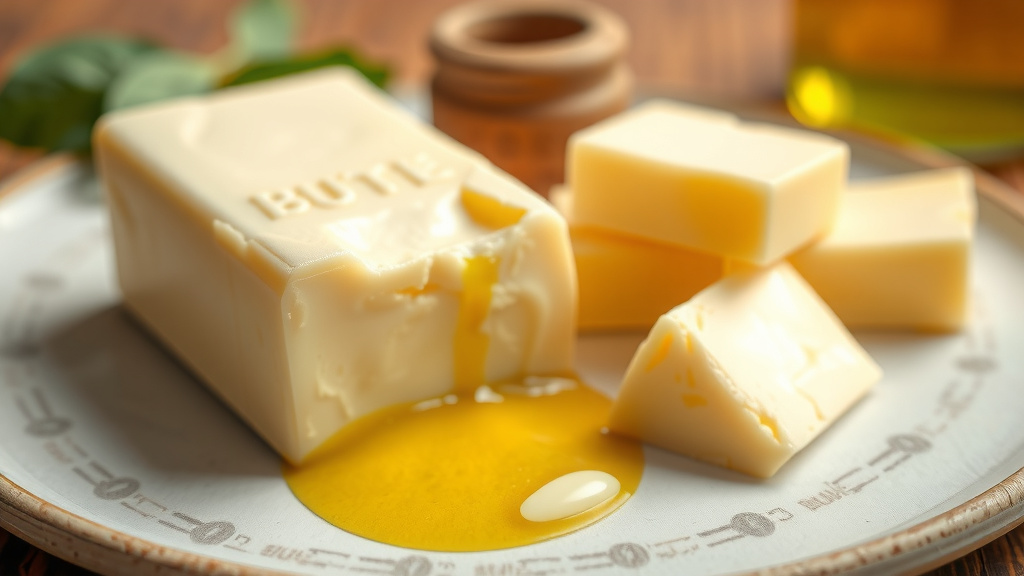
Butter vs Olive Oil Calories: What’s The Difference
When comparing butter calories to olive oil, olive oil is generally lower in calories and fat than butter, making it a popular choice for health-conscious cooks. A tablespoon of olive oil has about 120 calories, while a tablespoon of butter has around 102 calories. However, the type of fat differs significantly, with olive oil offering more heart-healthy monounsaturated fats compared to butter’s saturated fats.
Understanding the calorie count is just one part of the equation. Both butter and olive oil are fats that add flavor and moisture to your cooking. Many experts suggest that olive oil’s beneficial fats make it a healthier option overall for regular consumption. We found that the fat profile is a key differentiator.
- Olive oil typically has fewer calories per tablespoon than butter.
- Olive oil contains healthier monounsaturated fats.
- Butter is higher in saturated fat.
- Both add flavor, but their nutritional benefits differ.
We’ll break down the exact numbers and discuss the health implications of each, so you can make informed choices for your kitchen.
Comparing Fat: Butter vs. Olive Oil Calories and Nutrition
When you’re deciding between butter and olive oil for your cooking, it’s smart to look at what’s really in them. We’ve found that while both add wonderful flavor, they bring different nutritional packages to your plate. Let’s break down the numbers so you can choose what works best for your meals and your health goals.
The Calorie Breakdown: Is One Lighter?
It’s a common question: which one has more calories? We looked into the specifics, and here’s what we found. Generally, you might be surprised to learn that olive oil often packs a few more calories per tablespoon than butter. This can feel counterintuitive when people talk about olive oil being healthier.
Tablespoon by Tablespoon: The Numbers
Let’s get down to the nitty-gritty. A single tablespoon of butter typically contains around 102 calories. On the other hand, a tablespoon of olive oil usually clocks in at about 120 calories. So, yes, olive oil can be slightly more calorie-dense. But don’t let this number fool you entirely. The type of fat matters a lot more than just the total calorie count for your health.
What About Other Fats?
The real story is in the fat profile. Butter is primarily made up of saturated fat. Health guidelines often suggest limiting saturated fat intake because it can affect your cholesterol levels (Mayo Clinic). Olive oil, however, is rich in monounsaturated fats. Research widely points to monounsaturated fats as being beneficial for heart health. They can help lower bad LDL cholesterol and raise good HDL cholesterol (American Heart Association).
Fat Types: The Big Difference
Understanding the different types of fats is key to making smart choices. It’s not just about how many calories are in your food, but what kind of impact those calories have on your body. We found that the fat composition is where butter and olive oil truly diverge.
Butter’s Fat Content
Butter is an animal product, and animal fats tend to be higher in saturated fats. About 63% of the fat in butter is saturated. There are also small amounts of polyunsaturated fats and monounsaturated fats. While some saturated fat is okay, the general advice is to keep its intake in check as part of a balanced diet.
Olive Oil’s Fat Profile
Olive oil is a plant-based oil. It’s famous for its high content of monounsaturated fatty acids, particularly oleic acid. This type of fat is a cornerstone of the Mediterranean diet, which is linked to numerous health benefits. Olive oil also contains some polyunsaturated fats and only a small amount of saturated fat, typically around 14% (Cleveland Clinic).
The Good News About Olive Oil
Many experts agree that the monounsaturated fats in olive oil offer protective effects for your heart. These fats are less likely to contribute to plaque buildup in your arteries compared to saturated fats. Plus, extra virgin olive oil contains antioxidants and anti-inflammatory compounds that offer even more health perks. Think of them as tiny helpers for your body!
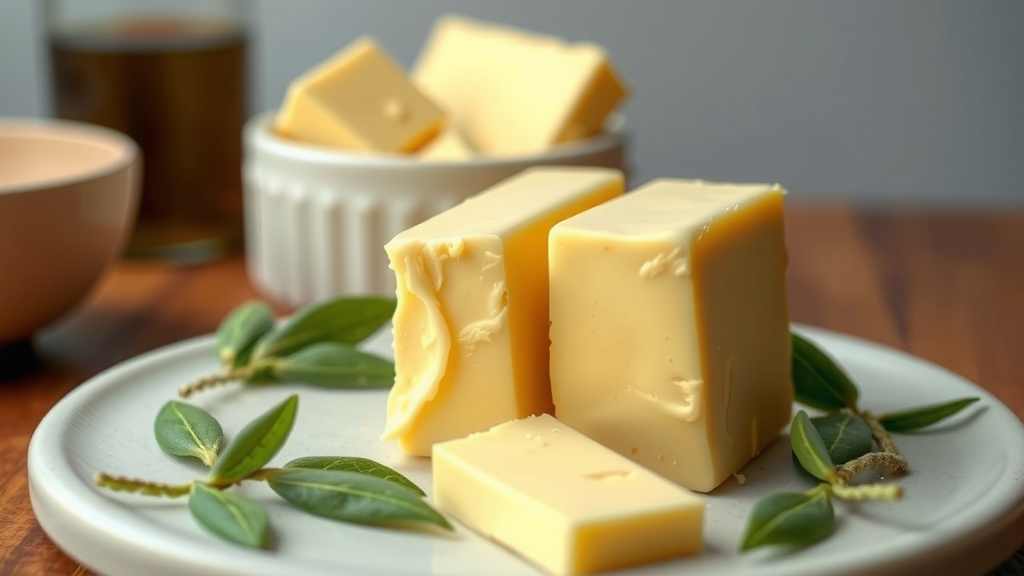
Cooking with Butter vs. Olive Oil
So, how do these differences play out in the kitchen? Both have their place, depending on what you’re making and the flavor you want. We found that considering the cooking method and desired outcome is important.
When to Reach for Butter
Butter shines when you want that classic rich flavor and creamy texture. It’s fantastic for baking, where it provides structure and moisture. Think flaky pie crusts or tender cookies. Butter also adds a delicious depth to sauces and is great for sautéing vegetables if you’re not worried about the saturated fat content. Its lower smoke point means it can burn more easily at high heat, though.
When to Choose Olive Oil
Olive oil is incredibly versatile. It’s your go-to for salad dressings, marinades, and drizzling over finished dishes. Because it has a higher smoke point than butter (especially extra virgin olive oil), it’s also a good choice for sautéing and roasting at moderate to high temperatures. The flavor of olive oil can range from mild and buttery to robust and peppery, depending on the type. We found that it’s a staple for many healthy cooking styles.
Making the Best Choice for You
Ultimately, the “better” choice depends on your personal dietary needs and preferences. If you’re focusing on heart health and want to increase your intake of healthy fats, olive oil is often the preferred option for regular use. If you enjoy the flavor of butter and use it in moderation, it can certainly be part of a balanced diet.
Quick Comparison Table
Here’s a simple rundown to help you compare:
| Feature | Butter (per tbsp) | Olive Oil (per tbsp) |
|---|---|---|
| Calories | ~102 | ~120 |
| Total Fat | ~11.5g | ~14g |
| Saturated Fat | ~7.3g | ~1.9g |
| Monounsaturated Fat | ~2.9g | ~9.9g |
| Polyunsaturated Fat | ~0.5g | ~1.4g |
| Primary Fat Type | Saturated | Monounsaturated |
Your Healthy Kitchen Checklist
To help you navigate these choices, keep these points in mind:
- Read Labels: Always check nutrition facts for precise information.
- Consider Your Meal: Think about the flavors and cooking methods.
- Focus on Fats: Prioritize monounsaturated and polyunsaturated fats for heart health.
- Moderation is Key: Enjoy both, but be mindful of portion sizes.
- Variety is Good: Don’t be afraid to use both in your cooking repertoire.
- Flavor Matters: Choose what tastes best for your specific dish!
We hope this breakdown helps you feel more confident in your kitchen decisions. Both butter and olive oil have unique qualities, and understanding their differences is the first step to using them wisely.
Conclusion
We’ve seen that while olive oil can have slightly more calories per tablespoon than butter, it’s packed with heart-healthy monounsaturated fats. Butter, while delicious, is higher in saturated fat. Your best choice depends on your health goals and culinary needs. For everyday cooking and a focus on heart health, olive oil often takes the lead. If you love the taste of butter and use it sparingly, it can still be part of a balanced diet. Next time you reach for a cooking fat, consider which one best supports your meal and your well-being!
Frequently Asked Questions
Can I substitute olive oil for butter in baking?
You can, but be aware that it might change the texture of your baked goods. Olive oil can make cakes and muffins denser. Many bakers find success using a mix of both or specific recipes designed for oil. You’ll want to experiment to see what you prefer.
Is extra virgin olive oil healthier than regular olive oil?
Yes, extra virgin olive oil (EVOO) is generally considered the healthiest. It’s less processed and retains more beneficial antioxidants and nutrients. Regular or “light” olive oil has been refined more, which can reduce some of its health perks.
Does the type of butter matter (e.g., salted vs. unsalted)?
When comparing calories, the amount of salt typically doesn’t significantly change the calorie or fat content. However, unsalted butter gives you more control over the saltiness of your dishes, especially in baking where precision matters.
Can I use olive oil for high-heat cooking like frying?
Olive oil, especially extra virgin, has a smoke point that makes it suitable for sautéing and roasting. For deep frying, which involves very high temperatures, some people prefer oils with even higher smoke points like canola or grapeseed oil. Always check the smoke point of your specific olive oil.
How much saturated fat should I aim for daily?
General guidelines recommend limiting saturated fat to less than 10% of your daily calories. For example, if you eat 2,000 calories a day, that’s about 200 calories, or roughly 22 grams, from saturated fat. Focusing on monounsaturated and polyunsaturated fats, like those in olive oil, is a great strategy.

![7 Best Olive Oil Brands To Buy [2026]](https://bestpureessentialoils.com/wp-content/uploads/2026/09/7-best-olive-oil-brands-to-buy-2026-featured-768x432.jpg)
![7 Best Olive Oil In The World [2026]](https://bestpureessentialoils.com/wp-content/uploads/2026/07/7-best-olive-oil-in-the-world-2026-featured-768x432.jpg)
![7 Best Olive Oil Bottle Pourer [2026]](https://bestpureessentialoils.com/wp-content/uploads/2026/09/7-best-olive-oil-bottle-pourer-2026-featured-768x432.jpg)