Butter Smoke Point vs Olive Oil: What to Know
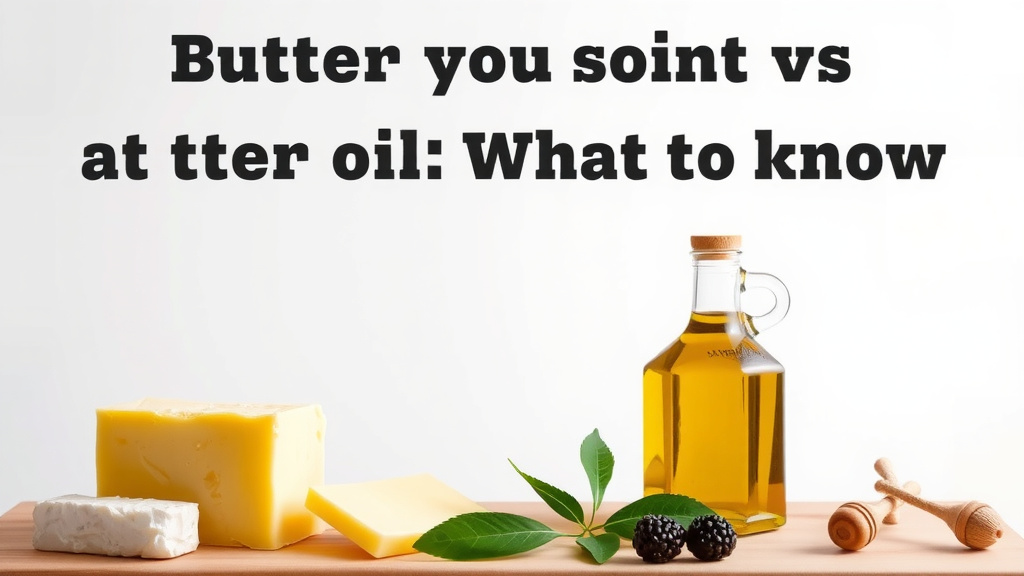
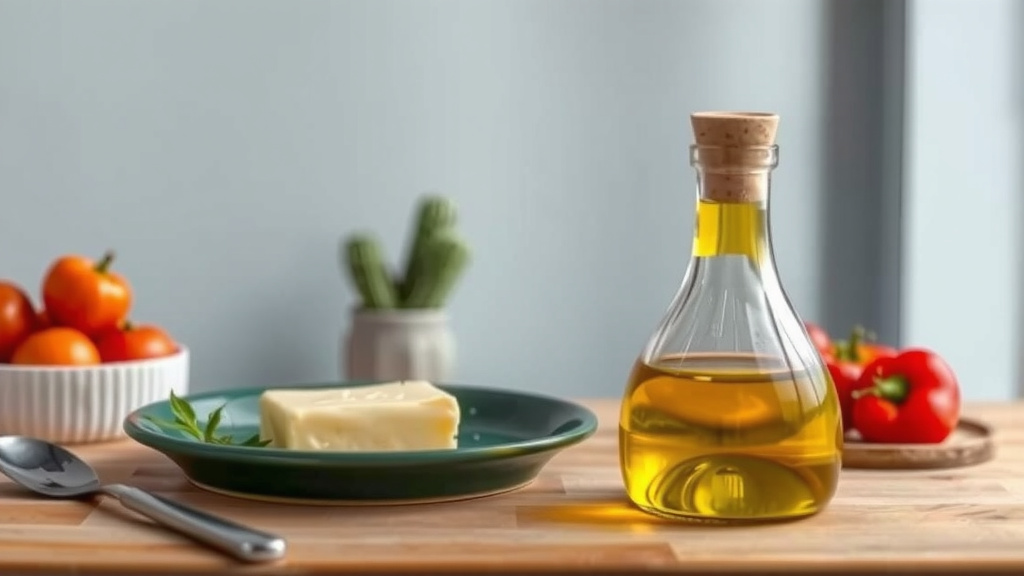
When cooking, your chosen fat’s smoke point matters. Butter breaks down and burns around 300-350°F, while olive oil, especially extra virgin, has a higher smoke point of about 375-410°F. This means olive oil is generally safer for higher heat cooking without smoking excessively.
Understanding these differences helps prevent burnt food and ensures better flavor. Using a fat past its smoke point releases harmful compounds and creates a bitter taste. We found that selecting the right cooking oil enhances your meals and keeps your kitchen safer.
- Butter’s smoke point is lower than olive oil’s.
- Olive oil is better for frying and searing at higher temperatures.
- Butter is best for lower-heat cooking and finishing dishes.
- Burning fats creates unhealthy byproducts and bad flavors.
Let’s break down exactly what these smoke points mean for your everyday cooking.
Fat’s Fury: Understanding Smoke Points for Better Cooking
You’ve probably seen it happen. You’re cooking up a storm, enjoying the sizzle, and then… smoke. Lots of smoke. That’s your fat hitting its limit. We found that understanding fat smoke points is key to delicious food and a happy kitchen.
Let’s talk about the difference between butter and olive oil when things get hot. It’s not just about flavor; it’s about safety and how your food turns out. You want to avoid that bitter, burnt taste, right? We agree!
Butter’s Burn: Why It Smokes So Fast
Butter is a kitchen staple for a reason. It adds richness and a wonderful flavor to so many dishes. But butter has a secret weakness: it’s made of more than just fat. It contains milk solids and water.
These milk solids are the culprits when it comes to smoke. When you heat butter, these solids break down first. They start to scorch and burn at relatively low temperatures. This is why butter doesn’t handle high heat well. Many sources place its smoke point around 300-350°F (149-177°C).
What Happens When Butter Burns?
When those milk solids burn, they release an acrid smell. This burning also creates compounds that can taste bitter. That’s the last thing you want on your toast or in your sautéed vegetables. You’ll often see brown flecks forming, which is a clear sign it’s time to turn down the heat or switch fats.
This breakdown is why butter is best used for lower-heat cooking. Think gentle sautés, finishing sauces, or baking where temperatures are controlled. It’s perfect for adding that final touch of richness just before serving.
Clarified Butter: A Smoky Solution?
Have you ever heard of clarified butter, or ghee? This is butter that has had the milk solids and water removed. By taking these out, you’re left with pure butterfat. This process significantly raises the smoke point. Clarified butter can often reach temperatures of 450-475°F (232-246°C).
So, if you love the flavor of butter but need to cook at higher temperatures, clarifying it is a fantastic option. We found that this simple step makes butter a much more versatile cooking fat.
Olive Oil’s Edge: Navigating Higher Heat
Olive oil, especially extra virgin olive oil (EVOO), is a favorite for many home cooks. It’s known for its health benefits and delicious fruity flavor. But how does it stack up against butter in the heat department?
Generally, olive oil has a higher smoke point than regular butter. This makes it a safer choice for a wider range of cooking methods. You can achieve a beautiful sear on your chicken or get your vegetables nicely roasted without worrying about burning your oil.
Understanding Different Olive Oils
It’s important to know that not all olive oils are created equal when it comes to smoke points. Refined olive oils tend to have higher smoke points than unrefined ones.
Extra Virgin Olive Oil (EVOO)
EVOO is the least refined type. It’s pressed mechanically and retains a lot of its natural flavor and nutrients. We found its smoke point typically ranges from 375-410°F (190-210°C). This is perfectly adequate for most everyday cooking like pan-frying, roasting, and sautéing.
Regular or Pure Olive Oil
This type is usually a blend of refined olive oils and some virgin olive oil. Refining removes more impurities, increasing its smoke point. It often sits a bit higher than EVOO, sometimes reaching up to 400-410°F (204-210°C).
Light or Extra Light Olive Oil
Don’t let the “light” fool you; it doesn’t mean fewer calories. It refers to the flavor and color, which are lighter because the oil is highly refined. These oils have the highest smoke points among olive oils, often exceeding 450°F (232°C). They are excellent for deep-frying or searing at very high heat.
When to Choose Olive Oil Over Butter
If your recipe involves high-heat searing, deep-frying, or stir-frying, olive oil is usually the better choice. You’ll get a better result and avoid the unpleasant taste and smell of burnt butter.
We found that using a fat within its smoke point range is crucial for achieving good flavor and texture. For example, searing a steak requires a hot pan, and olive oil can handle that heat without breaking down.
The Science Behind the Smoke: What’s Really Happening?
When you heat an oil or fat past its smoke point, the triglycerides begin to break down. This process releases glycerol and free fatty acids. The glycerol then decomposes into acrolein, which is what causes that acrid, smoky smell and bitter taste. Many health organizations caution against consuming foods cooked at temperatures that cause excessive smoke (National Institutes of Health).
Think of it like this: fats are like little soldiers. When they get too hot, they start to fight amongst themselves and break apart, creating a mess. Butter has more “soldiers” (milk solids) that are easily defeated by heat, while olive oil has a tougher, more unified army (pure fat).
A Quick Comparison Table
To make it super clear, let’s look at a quick rundown. This table shows the general smoke points, but remember, they can vary slightly based on quality and processing.
| Fat Type | Approximate Smoke Point (°F) | Approximate Smoke Point (°C) | Best For |
|---|---|---|---|
| Butter | 300-350°F | 149-177°C | Low-heat sautéing, baking, finishing sauces |
| Clarified Butter / Ghee | 450-475°F | 232-246°C | High-heat searing, frying |
| Extra Virgin Olive Oil | 375-410°F | 190-210°C | Medium-high heat sautéing, roasting, pan-frying |
| Light Olive Oil | 450°F+ | 232°C+ | High-heat searing, deep-frying |
Your Kitchen Cheat Sheet: When to Use What
To help you make the best choice every time, keep this simple checklist handy:
- Searing Meats or Veggies: Reach for olive oil (especially light or refined) or clarified butter.
- Everyday Sautéing: Extra virgin olive oil is your friend here.
- Baking Cakes and Cookies: Butter is usually perfect, as oven temps are controlled.
- Finishing a Dish with Sauce: A swirl of butter adds richness.
- Roasting Vegetables: Olive oil handles the oven heat beautifully.
- When You See Smoke, Lower the Heat! It’s your cue to adjust.
Conclusion
You’ve learned that butter and olive oil behave differently when heated. Butter, with its milk solids, burns faster, making it best for low-heat tasks. Olive oil, especially EVOO, offers more heat tolerance, ideal for searing and roasting. Understanding these smoke points means avoiding burnt flavors and harmful compounds.
Next time you cook, think about your pan’s temperature and your fat’s limit. Choose wisely, and you’ll cook with more confidence and enjoy tastier meals. Happy cooking!
Frequently Asked Questions
Can I use butter for frying eggs?
Yes, you can generally use butter for frying eggs on medium to low heat. Since eggs cook relatively quickly and don’t require extremely high temperatures, butter’s lower smoke point is usually fine. Just keep an eye on it to prevent browning if you prefer a lighter color.
Is it bad to cook with oil if it’s smoking a little?
Yes, it’s best to avoid cooking when your oil is smoking. That smoke indicates the oil is breaking down past its smoke point. This releases bitter flavors and potentially harmful compounds. If you see smoke, lower your heat or switch to a different fat.
Does the type of olive oil really matter for cooking?
Yes, the type of olive oil does matter for cooking. Extra virgin olive oil has a lower smoke point than refined or light olive oils due to fewer impurities. For high-heat cooking like searing, a refined or light olive oil is a better choice.
Can I use butter for baking cookies?
Butter is excellent for baking cookies! Most cookie recipes bake at temperatures well below butter’s smoke point. The fat in butter also contributes important flavor and texture to baked goods. Just ensure your oven is preheated correctly.
What’s the difference between light olive oil and extra virgin olive oil?
Light olive oil is highly refined, giving it a higher smoke point and a neutral flavor. Extra virgin olive oil is unrefined and retains more flavor and nutrients, but has a lower smoke point. Use light olive oil for high-heat cooking and EVOO for lower-heat applications and dressings.

![7 Best Italian Olive Oil In The World [2026]](https://bestpureessentialoils.com/wp-content/uploads/2026/08/7-best-italian-olive-oil-in-the-world-2026-featured-768x432.jpg)
![7 Best Extra Virgin Olive Oil Brands For Health [2026]](https://bestpureessentialoils.com/wp-content/uploads/2026/08/7-best-extra-virgin-olive-oil-brands-for-health-2026-featured-768x432.jpg)