Butter with Canola Oil vs Olive Oil: What’s Best
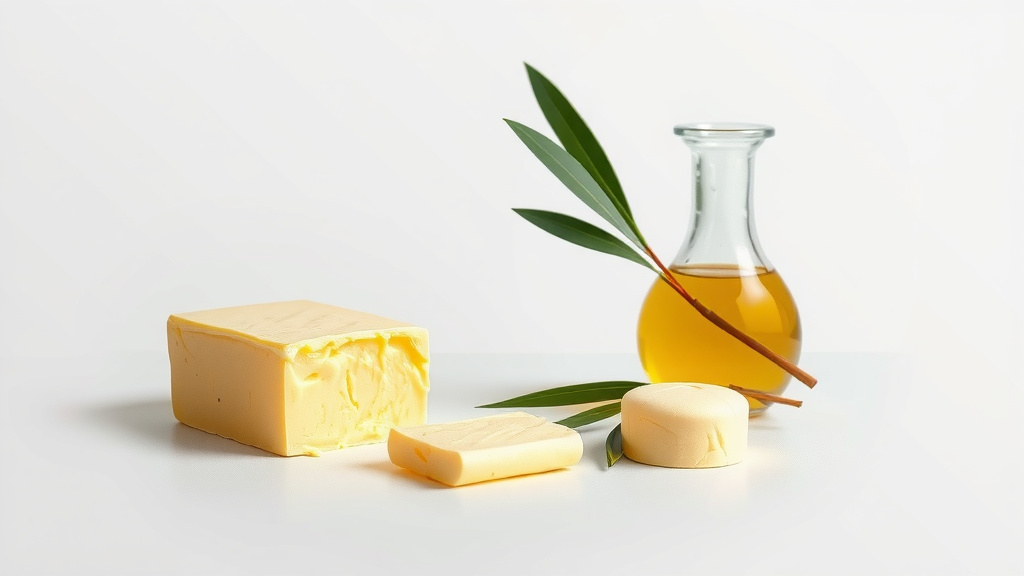
When deciding between butter with canola oil and butter with olive oil for your cooking, the main difference lies in flavor and smoke point. Butter blended with canola oil is often chosen for its neutral taste and higher smoke point, making it a good all-purpose option. Butter blended with olive oil offers a distinct, fruity flavor and a lower smoke point, best suited for dishes where that flavor is desired, like finishing pasta or salad dressings.
Both blends aim to offer some of the richness of butter with the improved performance of a liquid oil. They can be useful for baking and pan-frying. We found that the specific type of olive oil used (like extra virgin vs. regular) will also impact the flavor and smoke point of that blend. Understanding these characteristics helps you pick the right one for your recipe’s needs.
- Butter with canola oil is neutral-flavored and has a higher smoke point.
- Butter with olive oil adds fruity flavor but has a lower smoke point.
- Canola oil blends are better for high-heat cooking.
- Olive oil blends shine in dishes where flavor is key.
- Both are convenient alternatives to pure butter for certain uses.
Let’s break down what each blend brings to your kitchen and when you might reach for one over the other.
Comparing Butter Blends: Canola vs. Olive Oil
You’re in the kitchen, recipe in hand, and you see “butter” called for. But wait, you’ve got options! You might have plain butter, a butter-canola blend, or a butter-olive oil mix. What’s the difference? Why choose one over the other? We’re here to help you sort it out.
These blended butter products aim to give you the creamy goodness of butter with some added benefits from the oils. Think of them as little kitchen helpers designed to make your cooking a bit easier. But like any helper, they have their own strengths and weaknesses. Let’s look at what each brings to your culinary adventures.
Understanding the Flavor Profiles
The taste is often the first thing you’ll notice. It impacts how your final dish turns out. Let’s dive into the specific tastes you can expect from these two popular blends.
Butter with Canola Oil: The Neutral Choice
When you reach for a butter-canola oil blend, you’re generally choosing a flavor that won’t compete with your other ingredients. Canola oil itself is very mild and neutral. It’s like the quiet friend at a party who lets everyone else shine. This makes it incredibly versatile. You can use it in almost any dish without worrying about an overpowering oil taste.
We found that this neutrality is a big plus for baking. Think about delicate cakes or cookies where you want the vanilla or chocolate to be the star. A neutral blend ensures your butter flavor is present but not shouting. It simply supports the other flavors.
Butter with Olive Oil: A Fruity Kiss
On the other hand, butter blended with olive oil brings its own distinct personality. Olive oil, especially extra virgin olive oil, has a fruity, sometimes peppery taste. This isn’t a bad thing at all! It can add a lovely depth to your cooking. However, it does mean you’ll taste the olive oil in your finished dish. So, it’s not always the best choice for every recipe.
Imagine drizzling a pasta dish with a bit of this blend after it’s cooked. That fruity note from the olive oil can be absolutely delicious. But if you’re making a plain sugar cookie, that olive oil flavor might just feel out of place. It really depends on the flavor you’re aiming for.
Heat Tolerance: When to Turn Up the Burner
Cooking isn’t just about taste; it’s also about how your ingredients handle heat. The oil component plays a big role here. High heat can cause oils to smoke and even break down, affecting flavor and potentially creating unhealthy compounds.
Canola Oil Blends and High Heat
Butter blended with canola oil generally has a higher smoke point than butter blended with olive oil. Research indicates that refined canola oil can withstand temperatures around 400°F (204°C) before it starts to smoke (U.S. Department of Agriculture). This makes it a more forgiving option for cooking methods that require higher heat.
Pan-frying chicken, searing steaks, or even stir-frying vegetables can benefit from this. You can get that nice brown crust without worrying as much about your butter burning. It’s a workhorse for everyday cooking tasks that involve a bit of heat. Many home cooks find this reliability very appealing for their daily meal preparation.
Olive Oil Blends and Lower Heat
Olive oil, particularly extra virgin olive oil, typically has a lower smoke point. You might see smoke starting to appear around 325-375°F (163-190°C), depending on the specific type and quality (Harvard T.H. Chan School of Public Health). This means it’s better suited for lower to medium heat cooking.
Think about sautéing onions or mushrooms until they are tender. Or perhaps making a simple pan sauce where the heat is kept moderate. Using an olive oil blend here adds that desirable flavor without pushing the oil past its limit. Overheating can strip away the beneficial compounds and create off-flavors, which is something we all want to avoid.
Performance in Cooking and Baking
Beyond flavor and heat, how do these blends perform in action? Do they mix well? Do they bake the same? Let’s compare their behavior in your recipes.
Versatility in Various Dishes
The neutral flavor and higher smoke point of butter-canola blends make them incredibly versatile. They can often be used as a 1:1 substitute for butter in many recipes, especially when you want the butter’s fat content for richness or texture, but not its specific taste. This includes cookies, cakes, muffins, and general sautéing.
Butter with olive oil, however, is more of a specialty item. It shines in dishes where its flavor is a welcome addition. Consider using it to finish roasted vegetables, toss with cooked pasta, or spread on crusty bread. It’s less likely to be your go-to for delicate baked goods where its flavor might dominate or alter the intended taste profile.
Impact on Texture
Both blends contain fat, which is essential for texture in baking and cooking. The different oils can sometimes lead to subtle differences. The richness you expect from butter is present in both. However, the type of oil might influence how moist or tender a baked good turns out, though the differences are often minor for many common recipes.
When pan-frying, the higher smoke point of the canola blend means you’re less likely to get that bitter, burnt taste from the fat. This can lead to a more evenly browned and palatable result. For olive oil blends, managing the heat is key to achieving similar results without sacrificing flavor or burning the oil.
Making Your Choice: A Quick Guide
So, how do you decide which blend to pick? It really comes down to what you’re making and what outcome you desire. Here’s a simple way to think about it:
| For This Type of Cooking: | Butter with Canola Oil Is Likely Best: | Butter with Olive Oil Is Likely Best: |
|---|---|---|
| High-Heat Searing or Frying | Yes, its higher smoke point is ideal. | No, the smoke point is too low. |
| Everyday Baking (Cookies, Cakes) | Yes, for neutral flavor and reliable results. | Maybe, if you want a subtle olive note. |
| Sautéing at Medium Heat | Yes, a good all-around choice. | Yes, especially if you like the flavor. |
| Finishing Dishes (Pasta, Veggies) | Yes, if you want pure butter flavor. | Yes, for added fruity flavor complexity. |
| Salad Dressings or Drizzling | Less common, as it lacks flavor. | Yes, perfect for adding flavor. |
Think about the final taste and the heat involved. These two factors will guide you most effectively. Don’t be afraid to experiment and see what you like best in your own kitchen!
When to Grab Which Blend: Your Kitchen Checklist
To make your decision even easier, keep these simple points in mind the next time you’re staring at your pantry:
- Need a neutral flavor for baking? Go for canola oil blend.
- Cooking at high heat? Your canola oil blend is the safer bet.
- Want to add a fruity, Mediterranean flair? Reach for the olive oil blend.
- Making a delicate pastry where only butter flavor is wanted? Stick with canola oil blend.
- Sautéing vegetables where you enjoy a hint of olive? The olive oil blend is perfect.
- Unsure? Consider the heat level and if you want added oil flavor.
Conclusion
You’ve learned that choosing between butter with canola oil and butter with olive oil boils down to flavor and heat. For neutral tastes and higher heat cooking, the canola blend is your go-to. If you’re looking to add a distinct, fruity flavor, especially in dishes not requiring high heat, the olive oil blend shines. Think of them as specialized tools in your kitchen arsenal. Now, you’re equipped to make the best choice for your next culinary creation, ensuring delicious results every time. So next time you’re cooking, consider these blends and choose the one that best fits your recipe’s needs!
Frequently Asked Questions
Can I use butter with olive oil for baking cookies?
You can, but it’s not always ideal. The olive oil can impart a noticeable flavor that might alter the taste of delicate cookies. If you want a subtle hint of olive, it might work, but for classic cookie flavors, a canola blend or plain butter is usually preferred.
Is butter with canola oil healthier than regular butter?
These blends offer a mix of fats. Canola oil is a source of monounsaturated fats, which are generally considered heart-healthy. However, they still contain saturated fat from the butter. For everyday cooking, they can be a good compromise, but balance is key in any diet.
What happens if I use butter with olive oil for high-heat frying?
Using butter with olive oil for high-heat frying is generally not recommended. Olive oil has a lower smoke point, meaning it can start to smoke and break down at lower temperatures than canola oil. This can lead to burnt flavors and potentially create less desirable compounds.
Can I substitute butter with canola oil for regular butter in any recipe?
Yes, for most recipes, you can. The neutral flavor of the canola oil blend makes it a very versatile 1:1 substitute for butter. It provides the richness and texture without adding an overpowering taste, making it great for baking and general cooking.
How do I know which type of olive oil is used in butter blends?
The packaging often indicates the type of olive oil. If it simply says “olive oil,” it might be a blend or regular olive oil. If it specifies “extra virgin olive oil,” you can expect a stronger, fruitier flavor and a lower smoke point. Always check the label for specifics.


![7 Best Meyer Lemon Olive Oil [2026]](https://bestpureessentialoils.com/wp-content/uploads/2026/09/7-best-meyer-lemon-olive-oil-2026-featured-768x432.jpg)