
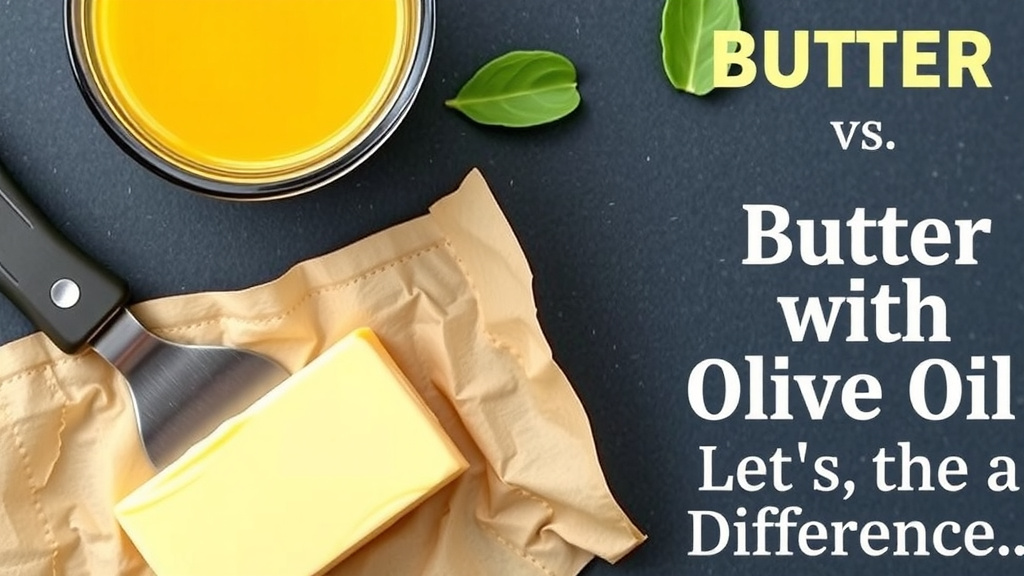
Butter vs Butter With Olive Oil: What’s the Difference
When it comes to cooking, butter with olive oil offers a fantastic middle ground between the two. You get a richer flavor than pure olive oil and a lighter taste than butter. It’s a smart choice for many everyday cooking needs.
Thinking about which fat to reach for can be tricky. Butter offers delicious richness and a lovely browning quality. Olive oil brings its own unique flavor and healthy fats. Combining them lets you enjoy the best of both worlds. We found that this blend is surprisingly versatile for baking and sautéing.
- Butter offers richness; olive oil provides flavor and health benefits.
- A butter and olive oil mix can give you the best of both.
- This blend is great for baking, sautéing, and roasting.
- It’s an easy way to add flavor without overpowering dishes.
Let’s dive into why this kitchen pairing might become your new favorite and what it means for your cooking.
Butter vs. Olive Oil: What’s the Difference for Your Cooking?
Deciding between butter and olive oil can feel like choosing a favorite child. Both are kitchen staples. Each brings unique qualities to your dishes. Understanding their differences helps you pick the right fat for the job. We found that butter offers richness and a higher smoke point. Olive oil, especially extra virgin, gives a distinct flavor and is packed with healthy monounsaturated fats.
Understanding the Basics of Butter
Butter is a dairy product. It’s made by churning cream. This process separates the butterfat from the buttermilk. Butter is known for its creamy texture and rich taste. It’s a favorite for baking. It also adds a wonderful flavor to sauces and is great for spreading.
Butter’s Smoke Point: What You Need to Know
A key factor in cooking fat is its smoke point. This is the temperature at which the fat begins to break down and smoke. Butter has a relatively low smoke point. Regular butter typically smokes around 300-350°F (150-175°C). This is because it contains milk solids and water, which burn easily. Clarified butter, or ghee, has these solids removed, raising its smoke point significantly.
Flavor Profile of Butter
Butter provides a distinct, creamy, and slightly sweet flavor. It enhances the taste of many foods. Think about how butter makes toast taste so much better. Or how it enriches a pan sauce. This familiar taste is comforting to many home cooks.
Exploring the World of Olive Oil
Olive oil comes from olives. It’s pressed from the fruit of the olive tree. There are several types of olive oil. Extra virgin olive oil (EVOO) is the highest grade. It’s made by mechanical means without chemicals. It retains the natural flavor and health benefits of the olive.
Olive Oil’s Smoke Point: A Closer Look
Olive oil’s smoke point varies by type. Extra virgin olive oil typically has a smoke point of around 375-405°F (190-207°C). Refined olive oils have higher smoke points, often reaching over 400°F (204°C). This makes them suitable for higher-heat cooking methods like sautéing and roasting.
Flavor Characteristics of Olive Oil
Olive oil has a flavor profile that can range from mild and fruity to peppery and robust. EVOO is often chosen for its flavor. It’s delicious in salad dressings, for drizzling over finished dishes, or for light sautéing where its taste can shine through. Lighter olive oils are more neutral and don’t impart as much flavor.
The Magic of Mixing Butter and Olive Oil
Now, let’s talk about the star of our discussion: combining butter and olive oil. Why would you do this? It’s about getting the best of both worlds! Many cooks and chefs find that this blend offers a superb balance of flavor and performance.
Benefits of the Butter-Olive Oil Blend
When you mix butter and olive oil, you achieve several advantages. First, the olive oil helps to raise the smoke point of the butter. This means you can sauté at slightly higher temperatures without the butter burning as quickly. Second, you get a nuanced flavor. It’s richer than plain olive oil but lighter and perhaps more complex than pure butter.
Flavor Enhancement Through Combination
The blend offers a delightful taste. You get the familiar comfort of butter, but with a subtle fruity or peppery note from the olive oil. This combination can add an extra layer of deliciousness to your meals. It’s a simple way to make everyday dishes more interesting without needing fancy ingredients.
Improved Cooking Performance
We found that using a mix can be a game-changer for everyday cooking. For instance, when sautéing vegetables, the butter adds a lovely richness that coats the veggies. The olive oil ensures you can get a good sear without worrying about burning the butter too soon. This means better browning and more flavor development.
When to Use the Butter and Olive Oil Blend
This versatile duo is perfect for a variety of cooking tasks. You can use it for sautéing vegetables and proteins. It’s also excellent for roasting potatoes or other root vegetables, giving them a lovely crisp exterior and tender interior. Many bakers also enjoy using this blend for certain types of cookies or quick breads, where it can provide a nice texture and flavor.
Think about making a simple pan sauce for chicken. A mix of butter and olive oil can provide the base. You get the emulsifying properties of butter to create a creamy sauce, while the olive oil adds a subtle depth of flavor.
Choosing the Right Ratio
The ideal ratio of butter to olive oil can depend on your recipe and personal preference. A common starting point is a 1:1 ratio. You might find that for higher heat cooking, you want a bit more olive oil. For recipes where you want a stronger butter flavor, you’ll use more butter. Experimentation is key here!
We’ve found that for sautéing, a 1:1 ratio works wonderfully. For baking, you might stick closer to the butter ratio specified in a recipe, perhaps adding just a tablespoon of olive oil for moisture and flavor complexity. It’s all about what tastes best to you.
| Fat Type | Primary Flavor | Best For | Smoke Point (Approx.) |
|---|---|---|---|
| Butter | Rich, Creamy | Baking, Sauces, Spreading | 300-350°F (150-175°C) |
| Extra Virgin Olive Oil | Fruity, Peppery | Dressings, Drizzling, Light Sautéing | 375-405°F (190-207°C) |
| Butter + Olive Oil Blend | Rich with subtle fruitiness | Sautéing, Roasting, Pan Sauces | ~375°F+ (190°C+) |
Tips for Using the Butter and Olive Oil Blend in Your Kitchen
Ready to give this dynamic duo a try? Here are a few simple tips to get you started and ensure success:
- Start simple: Use a 1:1 ratio for most savory cooking.
- Quality matters: Use good quality butter and a decent olive oil.
- Watch the heat: Even with the blend, be mindful of overheating.
- Taste as you go: Adjust the blend ratio to suit your palate.
- Store properly: Keep both ingredients fresh for the best results.
- Have fun experimenting: Don’t be afraid to try new combinations!
Conclusion
You’ve learned that butter and olive oil each bring unique strengths to your kitchen. Butter offers rich flavor and creamy texture, perfect for baking and sauces. Olive oil provides healthy fats and a distinct taste for dressings and lighter cooking. By blending them, you create a versatile fat that raises butter’s smoke point and adds a delightful complexity to dishes. This combination is excellent for sautéing, roasting, and creating pan sauces. Ready to transform your everyday cooking? Try a simple 1:1 ratio in your next sauté and taste the difference yourself!
Frequently Asked Questions
Can I substitute olive oil for butter in baking?
While you can substitute, it’s not always a direct swap. Olive oil has a different flavor profile and fat content than butter. For recipes where butter’s specific flavor and texture are key, like delicate cookies, you might find the results differ significantly. We found a blend can work better than pure olive oil in some baked goods, offering moisture without an overpowering taste.
Does mixing butter and olive oil change the health benefits?
Mixing them combines the nutritional profiles of both fats. Butter is higher in saturated fat, while olive oil is rich in monounsaturated fats. The blend will offer more monounsaturated fats than butter alone, contributing positively to your diet. Remember, moderation is always key, regardless of the fat you choose.
What is the best ratio of butter to olive oil?
The ideal ratio depends on your cooking goal. For most savory applications like sautéing or roasting, a 1:1 ratio offers a great balance of flavor and performance. If you want a richer butter flavor, use more butter. For higher heat cooking where you want to avoid burning, increase the proportion of olive oil. We found that experimenting is the best way to find your preferred ratio.
Will my food taste like olive oil if I use the blend?
A well-balanced blend should not make your food taste strongly of olive oil. The butter helps to mellow out the olive oil’s flavor, creating a richer, more complex taste. If you’re using a very robust extra virgin olive oil, you might notice its notes more. Consider using a milder or regular olive oil if you prefer a more neutral flavor base with buttery undertones.
Can I use this blend for frying?
For shallow frying, a butter and olive oil blend can work, especially if you maintain a controlled heat. The raised smoke point from the olive oil offers a slight advantage over butter alone. However, for deep frying where temperatures get very high, a neutral oil with a much higher smoke point like canola or vegetable oil is generally recommended to prevent burning and off-flavors.

![7 Best Olive Oil Brands To Buy [2026]](https://bestpureessentialoils.com/wp-content/uploads/2026/09/7-best-olive-oil-brands-to-buy-2026-featured-768x432.jpg)
![7 Best Olive Oil Bottle Pourer [2026]](https://bestpureessentialoils.com/wp-content/uploads/2026/09/7-best-olive-oil-bottle-pourer-2026-featured-768x432.jpg)