California Olive Oil vs Italian: A Taste Comparison
When comparing California olive oil vs. Italian olive oil, both offer fantastic flavors, but they often have distinct profiles. Italian oils are frequently praised for their bold, peppery notes and rich history. California oils, on the other hand, are known for their fresh, vibrant fruitiness and strict quality controls.
Choosing between them really depends on your taste and what you plan to cook. Both regions produce high-quality extra virgin olive oils that can elevate your dishes. You’ll find a wonderful range of flavors from both, showcasing their unique terroirs and olive varieties.
- Italian olive oil often brings bold, peppery flavors.
- California olive oil tends to be fresher and fruitier.
- Both regions produce excellent quality oils.
- Your choice depends on your recipe and personal preference.
Let’s dive a little deeper into what makes each of these olive oils so special and how you can pick the perfect one for your kitchen.
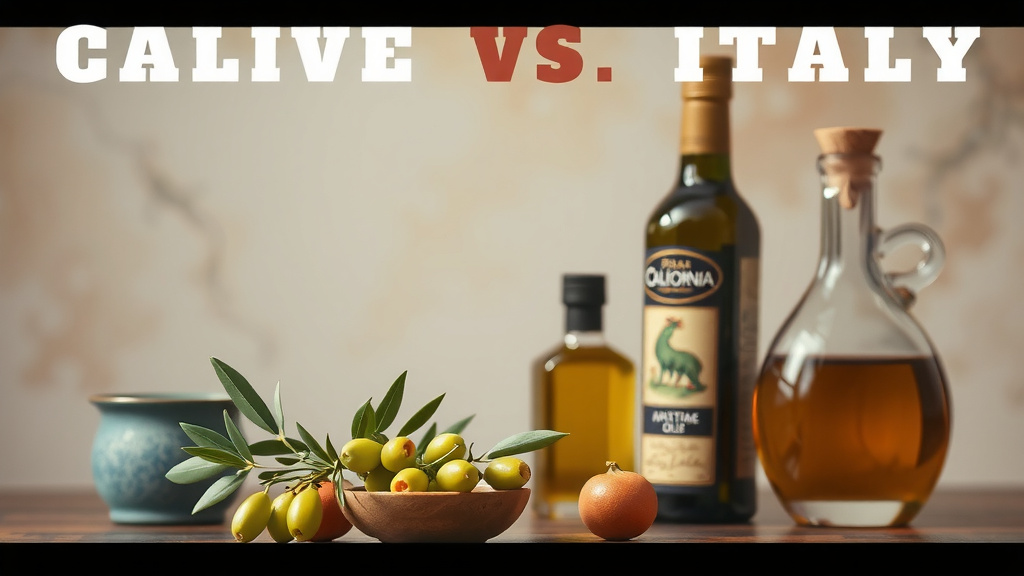
California vs. Italy: A Taste of Olive Oil Terroir
When you’re standing in the aisle, staring at rows of beautiful olive oil bottles, you might wonder: what’s the real difference between olive oil from California and olive oil from Italy? Both are fantastic choices, but they often bring a unique personality to your plate. Let’s break down what makes each region’s olive oil special.
Understanding the Italian Olive Oil Experience
Italy is practically synonymous with olive oil. It’s been a staple there for thousands of years. This long history means there’s a deep understanding and tradition behind their olive oil production. You’ll often find Italian olive oils have a rich, bold flavor profile.
Common Flavor Notes in Italian Olive Oil
Many Italian extra virgin olive oils are known for their peppery finish. This is often a sign of high polyphenol content, which is good for you! You might also detect notes of artichoke, grass, or even a slight bitterness. These robust flavors can stand up well to stronger dishes.
Regional Diversity in Italy
Think of Italy like a collection of diverse neighborhoods, and its olive oils are no different. Each region, from Tuscany to Sicily, has its own climate, soil, and traditional olive varietals. This means a Tuscan olive oil might taste quite different from one made in Puglia.
For example, oils from the north might be lighter and more delicate. Oils from the south can be more intense and fruity. This regional variety is part of what makes exploring Italian olive oil so exciting. It’s like a delicious tour of the country in a bottle.
The Rise of California Olive Oil
California’s olive oil scene is much younger than Italy’s, but it’s grown incredibly fast. The state has the ideal climate for growing olives. California producers are also known for their commitment to freshness and quality.
What Makes California Olive Oil Stand Out?
California olive oils often have a bright, fruity taste. They tend to be less bitter and peppery than many Italian varieties. This makes them incredibly versatile and a great choice for everyday cooking. You might taste notes of green apple, almond, or even tropical fruits.
Focus on Freshness and Purity
A key characteristic of California olive oil is its emphasis on freshness. Many producers harvest and mill their olives within a very short timeframe. This minimizes oxidation and preserves the vibrant flavors and beneficial compounds. You’ll often see “harvest date” on the bottle, which is a good indicator of freshness.
Strict Quality Standards
California also has some of the strictest quality standards in the world for olive oil production. Many producers follow guidelines set by organizations like the California Olive Oil Council (COOC). This ensures you’re getting genuine extra virgin olive oil, free from defects.
Comparing Flavor Profiles: A Quick Guide
Let’s visualize the taste differences. Imagine two friends telling stories:
- Italian Olive Oil: This friend tells a dramatic, exciting story with a strong punchline. The flavors are often bold, with a noticeable peppery kick at the end.
- California Olive Oil: This friend tells a clear, engaging story with a delightful, fresh narrative. The flavors are bright, fruity, and approachable.
| Feature | California Olive Oil | Italian Olive Oil |
|---|---|---|
| Dominant Flavors | Fresh, fruity, sometimes grassy | Bold, peppery, bitter, grassy |
| Finish | Smooth, clean | Often peppery or warming |
| Acidity | Typically very low | Low, but can vary by region |
| Production Focus | Freshness, purity, modern standards | Tradition, regional varietals, robust flavor |
| Best Uses | Salads, finishing, light cooking, dipping | Roasting, marinades, robust dishes, finishing |
How to Choose the Right Olive Oil for Your Needs
So, how do you decide which bottle to bring home? It really comes down to your personal taste and what you’re cooking. Think of it like choosing the right tool for a job.
For Everyday Salads and Drizzling
If you’re making a light salad dressing or just want to drizzle some oil over vegetables, a fresh, fruity California olive oil might be your best bet. Its clean flavor won’t overpower delicate ingredients. It’s also wonderful for dipping crusty bread. We found that many home cooks prefer this style for its versatility.
For Roasting and Heartier Dishes
When you’re roasting vegetables, making a hearty pasta sauce, or marinating meats, a more robust Italian olive oil can add a wonderful depth of flavor. Its bolder notes can stand up to strong ingredients and heat. Many culinary experts recommend using oils with more pronounced flavors for these applications.
Consider the Olive Varietals
Just like wine grapes, different olive varietals produce different flavors. Italian oils often use varietals like Coratina, Frantoio, or Castelvetrano. California producers may use these same varietals or focus on others. Learning about the specific olives used can give you clues about the oil’s taste.
Your Olive Oil Shopping Checklist
To help you pick the perfect bottle, keep these tips in mind:
- Look for “Extra Virgin”: This is the highest grade of olive oil.
- Check the Harvest Date: Fresher is almost always better. Aim for oils harvested within the last 12-18 months.
- Consider the Color: Greenish hues often indicate more robust oils. Lighter yellow can mean milder flavors.
- Know Your Purpose: Will you be cooking with it or finishing dishes?
- Taste if Possible: Many specialty stores offer tastings.
- Don’t Fear Glass Bottles: They protect the oil from light.
Ultimately, the “best” olive oil is the one you enjoy the most. Both California and Italy produce exceptional oils, each offering a unique experience. So go ahead, experiment, and find your favorites!
Conclusion
You’ve learned that both California and Italian olive oils offer wonderful qualities, but with distinct personalities. Italian oils often bring a robust, peppery punch, perfect for hearty dishes. California oils typically delight with fresh, fruity notes, ideal for lighter fare and everyday use. We found that quality and freshness are key, no matter the origin. Your best choice depends on the flavors you love and the dishes you’re creating. So, don’t be afraid to try a bottle from each region to see which one best suits your kitchen.
Frequently Asked Questions
Is California olive oil better than Italian olive oil?
Neither is definitively “better.” California olive oils are often praised for their modern production, focusing on freshness and clean, fruity flavors. Italian olive oils are celebrated for their deep tradition and bold, peppery profiles. The best choice for you depends on your personal taste preferences and what you plan to cook.
Can I use California olive oil for cooking?
Absolutely! While many enjoy California olive oil for finishing dishes, its fresh and fruity profile also works beautifully in lighter cooking applications. It’s excellent for sautéing vegetables or creating delicate dressings for salads. Just be mindful of its smoke point if you’re doing high-heat cooking.
What does the “peppery” taste in Italian olive oil mean?
A peppery finish in Italian olive oil is often a sign of high polyphenol content, which are healthy antioxidants. This sensation indicates a robust, fresh oil. It’s a desirable characteristic for many enthusiasts and suggests the olives were likely processed quickly after harvest.
How do I know if an olive oil is truly extra virgin?
Look for the “Extra Virgin” label, which is the highest grade. For California oils, you might see certification from the California Olive Oil Council (COOC). For both regions, checking the harvest date is a good indicator of freshness. Lower acidity and the absence of defects are also signs of quality extra virgin olive oil.
Are all olive oils from the same region similar in taste?
No, there’s significant diversity within both California and Italy. Just like wine, different olive varietals, soil types, climates, and harvest times all contribute to unique flavor profiles. Oils from different regions within Italy, or even different groves in California, can taste quite distinct from one another.