Bacon Fat vs Olive Oil Calories: What’s the Difference
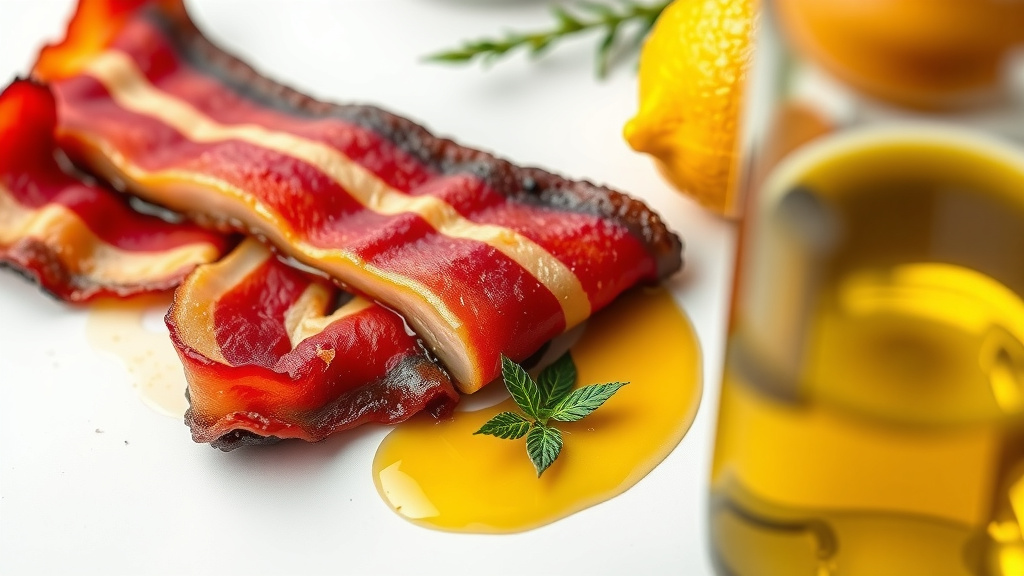
When comparing the calories in bacon fat versus olive oil, olive oil generally has fewer calories per tablespoon. While both are sources of fat, olive oil is a plant-based oil. Bacon fat, on the other hand, comes from animal products and contains saturated fats. Understanding these differences helps you make informed choices for your cooking and health goals.
Many people wonder about the calorie counts because both are popular cooking fats. You might use bacon fat to add flavor to your favorite dishes. Or perhaps you reach for olive oil for its perceived health benefits. We found that while both add calories, the type of fat and calorie density vary. This matters when you’re watching your intake or focusing on a specific diet.
- Olive oil typically has fewer calories per tablespoon than bacon fat.
- Bacon fat is an animal product, while olive oil is plant-based.
- Both fats are calorie-dense, so portion control is key.
- The type of fat (saturated vs. unsaturated) also differs between them.
- Consider your cooking needs and health goals when choosing.
Let’s break down the calorie counts and fat profiles of bacon fat and olive oil to see how they stack up.
Fat Content: Bacon Grease vs. Olive Oil Calories
You might be wondering about the calorie difference between bacon fat and olive oil. When you’re cooking, a tablespoon of olive oil generally has fewer calories than a tablespoon of bacon fat. This is a key point if you’re watching your calorie intake closely. We found that the numbers can vary slightly, but the general trend holds true.
Calorie Breakdown Per Serving
Let’s look at the numbers for a single tablespoon, a common cooking measure. Research shows that a tablespoon of olive oil contains about 120 calories. This is pretty consistent across most types of olive oil. Now, when we look at rendered bacon fat, we often find it comes in a bit higher. A tablespoon of bacon fat typically has around 125 to 130 calories. So, while the difference isn’t huge, olive oil does tend to be slightly less calorie-dense.
Olive Oil: A Look at the Numbers
Olive oil is known for its healthy fats. Most of its calories come from monounsaturated and polyunsaturated fats. These are considered heart-healthy fats. A standard serving of 1 tablespoon (about 14 grams) of olive oil provides approximately 120 calories, with almost all of those calories coming from fat (about 14 grams total fat) (USDA FoodData Central). This makes it a reliable choice for consistent calorie counting.
Bacon Fat: What’s Inside?
Bacon fat is a bit more complex. When you cook bacon, the fat that renders out is a mix. It contains saturated fats, monounsaturated fats, and some polyunsaturated fats. Because of this mix, the exact calorie count can fluctuate based on the type of bacon and how much is rendered. We typically see figures around 125-130 calories per tablespoon. It also contains roughly 14 grams of fat, but the proportion of saturated fat is higher than in olive oil (USDA FoodData Central).
| Fat Type | Calories Per Tablespoon (approx.) | Primary Fat Types |
|---|---|---|
| Olive Oil | 120 | Monounsaturated, Polyunsaturated |
| Bacon Fat | 125-130 | Saturated, Monounsaturated |
Understanding Fat Types: Saturated vs. Unsaturated
The type of fat is as important as the calorie count. Olive oil is rich in monounsaturated fats. Many health organizations recommend these fats for heart health (American Heart Association). They can help lower bad cholesterol levels. Bacon fat, on the other hand, has a higher percentage of saturated fats. While saturated fats are not entirely “bad” and are a natural part of many diets, overconsumption can be linked to increased risk of heart disease for some people. That’s why moderation is often advised.
The Role of Saturated Fat in Bacon Grease
When you’re cooking with bacon fat, you’re adding a good dose of saturated fat to your meal. Think of saturated fats as being more solid at room temperature, like butter or lard. While they provide flavor and a good cooking medium, dietary guidelines often suggest limiting your intake of saturated fats. The exact amount can vary, but it’s a key difference compared to the predominantly unsaturated fat profile of olive oil.
Unsaturated Fats: The Olive Oil Advantage
Olive oil’s strength lies in its unsaturated fats. These fats are typically liquid at room temperature. Monounsaturated fats (like those found in olive oil, avocados, and nuts) and polyunsaturated fats (like those in fish, seeds, and other vegetable oils) are generally considered beneficial for your health. They can play a role in reducing inflammation and supporting overall well-being.
When to Use Which Fat: Practical Cooking Tips
Choosing between bacon fat and olive oil often comes down to flavor and your cooking goals. Do you want a rich, savory flavor? Bacon fat might be your go-to. Are you aiming for a lighter, healthier profile? Olive oil is likely the better choice. We’ve seen that both can be part of a balanced diet, but how you use them matters.
Flavor Profiles and Culinary Uses
Bacon fat has a distinct, smoky, savory flavor that can enhance many dishes. It’s fantastic for roasting vegetables, cooking eggs, or adding depth to cornbread. Olive oil, especially extra virgin olive oil, offers a grassy, peppery, or fruity flavor. It’s perfect for salad dressings, sautéing, or finishing dishes. You can even use them in combination for unique taste experiences.
Health Considerations and Your Diet
If your primary concern is heart health or managing cholesterol, olive oil is often recommended. Its unsaturated fats are a plus. Bacon fat can be enjoyed in moderation as part of a varied diet. Many people choose to use less of it or incorporate it into dishes where its flavor is highly valued and the portion size is small. It’s all about balance and making choices that align with your personal health objectives. Remember to consult with a healthcare provider or a registered dietitian for personalized advice.
Making Smart Choices in Your Kitchen
Here’s a quick checklist to help you decide:
- Consider the flavor you want.
- Think about your health goals.
- Check the calorie count for portion control.
- Remember the type of fat matters for health.
- Use fats mindfully in your cooking.
- Don’t be afraid to use both, but know why you’re choosing one over the other.
Conclusion
As you can see, both bacon fat and olive oil add calories to your cooking. Olive oil generally has slightly fewer calories per tablespoon and is packed with heart-healthy unsaturated fats. Bacon fat, while delicious, comes with a bit more saturated fat and slightly more calories. Your choice depends on what you want to achieve in the kitchen. Consider your flavor goals and your health objectives. Making mindful choices about which fat you use can support your overall well-being. Start by comparing your go-to recipes and see where small swaps might fit in!
Frequently Asked Questions
Is bacon fat bad for you compared to olive oil?
Bacon fat is higher in saturated fat than olive oil. While not inherently “bad,” high intake of saturated fat is linked to potential heart health concerns for some. Olive oil, rich in unsaturated fats, is generally considered more heart-healthy when consumed in moderation. It’s about balance and how much you use.
Can I substitute olive oil for bacon fat in recipes?
Yes, you can often substitute olive oil for bacon fat. Keep in mind that you will lose the distinct smoky flavor of bacon fat. If flavor is key, you might use a smaller amount of bacon fat or add other spices to compensate. Olive oil is a great choice when you want a lighter fat profile.
How much can I use of each fat daily?
Dietary guidelines often suggest limiting saturated fat intake. This means using bacon fat in moderation. For olive oil, it’s still a calorie-dense fat, so portion control is important. Listening to your body and consulting with a healthcare professional or dietitian can help you determine ideal daily amounts based on your personal needs.
Does the type of olive oil matter for calorie count?
The calorie count per tablespoon for most types of olive oil, including extra virgin, virgin, and regular olive oil, is very similar, around 120 calories. The main differences lie in their flavor profiles and the levels of antioxidants. You can expect a consistent calorie count regardless of the specific olive oil type.
Can I combine bacon fat and olive oil in my cooking?
Absolutely! Combining fats can offer a balance of flavor and health benefits. For example, you might use a little bacon fat for its savory taste and supplement with olive oil for its unsaturated fats. This approach allows you to enjoy the best of both worlds in your dishes while being mindful of your overall fat intake.