How Long Olive Oil Lasts Past Expiration Date
You can generally keep olive oil for about 18-24 months past its expiration date, provided it has been stored correctly. While not inherently dangerous, older olive oil will lose its flavor and some of its health benefits. Think of it like fine wine; it gets better with age initially, but eventually, it degrades.
The “best by” date on olive oil is more of a quality indicator than a safety deadline. After this date, you might notice a duller flavor, less vibrant color, and a more muted aroma. Using it is generally safe, but it won’t add that fresh, peppery kick to your dishes you expect from good olive oil.
- Olive oil is best within 18-24 months past its expiration date.
- The date is for quality, not strict safety.
- Older oil loses flavor and aroma.
- Proper storage extends its usable life.
- Always trust your senses for spoilage.
Let’s look at how storage affects olive oil’s lifespan and what signs to watch for when deciding if it’s still good to use.
Extending the Life of Your Olive Oil Past the Date
So, you’ve got a bottle of olive oil, and you notice that “best by” date. What does it really mean for your cooking and your wallet? We’ve all been there, wondering if it’s still good or if it’s time to toss it. The good news is, that date is usually about peak quality, not a hard-and-fast safety rule.
Think of it less like an expiration date on milk and more like a suggestion for the freshest flavor. Many experts agree that with proper storage, olive oil can remain perfectly safe and usable for quite some time past its printed date. The key is understanding what happens to it over time and how to tell if it’s still up to snuff.
Understanding Olive Oil’s “Best By” Date
The date stamped on your olive oil bottle isn’t an expiration date in the way we often think of it. It’s a “best by” or “best if used by” date. This date signifies when the producer guarantees the oil will be at its absolute freshest and most flavorful. After this date, the oil doesn’t suddenly become unsafe to consume.
Instead, you might notice subtle changes. The bright, peppery notes could start to fade. The aroma might become less pronounced. This is a natural part of olive oil’s lifecycle. It’s a bit like fresh herbs; they are at their best when first picked, but they don’t turn poisonous the next day. They just begin to lose some of their vibrancy.
Factors Affecting Olive Oil Quality Over Time
Several elements can speed up or slow down the degradation process of olive oil. Knowing these can help you protect your oil and get the most out of it.
Light: The Arch-Nemesis of Olive Oil
UV rays are bad news for olive oil. They can cause oxidation, which breaks down the oil’s beneficial compounds and leads to off-flavors. This is why many high-quality olive oils come in dark glass bottles or tins. They’re designed to shield the oil from light’s damaging effects.
Heat: A Recipe for Rancidity
Just like you wouldn’t store butter on the counter, olive oil dislikes excessive heat. High temperatures accelerate the oxidation process. Storing your olive oil near the stove, a sunny window, or any heat source is a fast track to spoilage. A cool, dark pantry is your best friend here.
Air: The Thief of Freshness
When olive oil is exposed to air, it oxidizes. This is why tightly sealing the bottle after each use is so important. Think of each time you open the bottle as introducing a little bit of oxygen. Over time, this accumulation can degrade the oil’s quality. For this reason, buying larger bottles might not be ideal if you don’t use olive oil frequently.
How Long Can You Keep Olive Oil After the Date?
Generally, if stored correctly, your olive oil can be good for 18 to 24 months past its “best by” date. Some sources even suggest longer, but this range is a safe bet for maintaining a good flavor profile. Unopened bottles will often last longer than opened ones.
An unopened bottle stored in a cool, dark place might retain good quality for up to two years past the printed date. Once opened, however, the clock starts ticking a bit faster. Aim to use opened olive oil within six months for the best taste, even if it’s past the “best by” date.
Signs Your Olive Oil Has Gone Bad
Before you pour that older olive oil into your pan, give it a quick check. Your senses are your best guide. If something seems off, it probably is. Trust your nose and your eyes!
The Smell Test: A Nose for Trouble
This is often the most telling sign. Fresh olive oil has a pleasant, fruity, or grassy aroma. If your oil smells rancid, musty, crayon-like, or like putty, it’s likely past its prime. Rancidity is a chemical change that occurs when the fats in the oil break down, and it’s not pleasant for your palate.
The Taste Test: A Sip of Caution
If the smell test doesn’t raise any red flags, take a tiny sip. Fresh olive oil should have a clean taste, perhaps with a peppery or bitter finish. If the oil tastes flat, stale, oily, or has a bitter, acrid aftertaste, it’s probably time to let it go. Remember, the “best by” date is all about optimal flavor, and this is where you’ll notice the biggest difference.
The Visual Clue: Color and Clarity
While color isn’t always a definitive indicator (different olive varieties produce oil of varying colors), a significant change can be a hint. If your oil has become cloudy or murky when it wasn’t before, and it’s been stored properly, it might be a sign of degradation. However, some extra virgin olive oils are naturally cloudy due to unfiltered particles; so, rely more on smell and taste.
Storing Olive Oil for Maximum Longevity
Want to give your olive oil the best chance at a long and flavorful life? Proper storage is your superpower. It’s simpler than you think!
The Ideal Environment
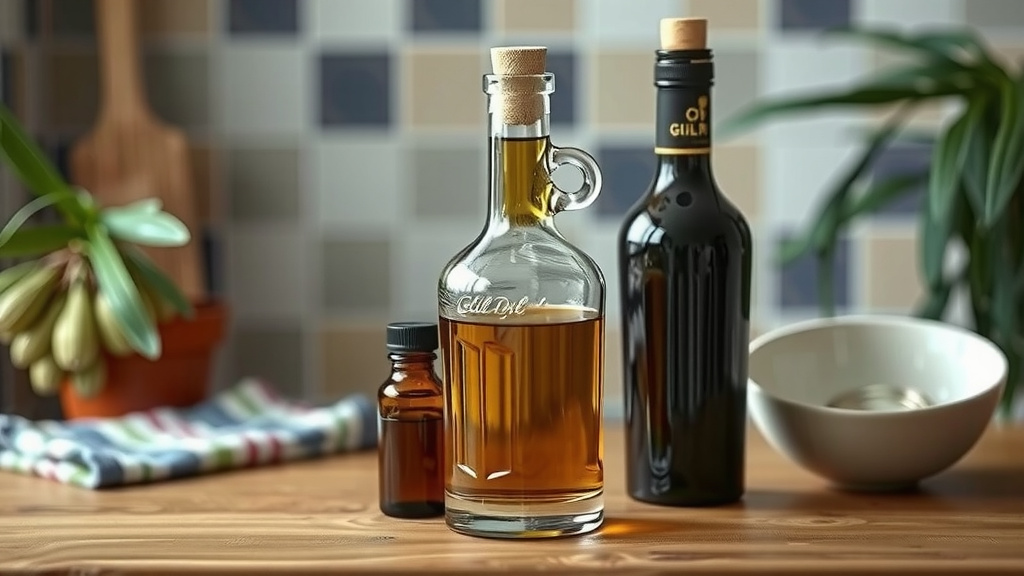
We’ve mentioned it, but it bears repeating: cool and dark. Think of a cabinet or pantry away from the oven or any appliances that generate heat. The ideal temperature range is typically between 55-70°F (13-21°C). Avoid the refrigerator, as this can cause the oil to solidify and may affect its flavor over time, though it doesn’t make it unsafe.
Sealing is Key
Always screw the cap back on tightly after every use. If your oil came with a pour spout, make sure it creates a good seal. Consider transferring oil to a smaller, dark glass bottle if you find yourself not using a large one quickly. This minimizes air exposure.
When to Definitely Say Goodbye to Your Olive Oil
While olive oil doesn’t typically become dangerous in the way meat or dairy can, using very old or rancid oil isn’t ideal for your cooking or your health. If your oil exhibits any of the following, it’s time to retire it:
- A strong, unpleasant, rancid smell (like old socks or crayons).
- A bitter, acrid, or completely flat taste.
- Visible mold or a slimy texture (very rare, but possible if contaminated).
- A color that has drastically changed to a dull, murky brown.
Remember, using old but not rancid olive oil for cooking won’t hurt you, but it won’t add that delightful freshness to your dishes. It’s best reserved for applications where flavor isn’t the primary focus, like greasing a pan, or simply for discarding.
Conclusion
You’ve learned that your olive oil’s “best by” date is a quality guide, not a strict safety limit. With proper storage, you can typically enjoy your olive oil for 18-24 months past that date, though its flavor and aroma will gradually fade. Always trust your senses – smell and taste are your best indicators of freshness.
By keeping your oil cool, dark, and tightly sealed, you can maximize its lifespan and flavor. When in doubt, a quick sniff or tiny taste will tell you if it’s still good for your favorite dishes or if it’s time to say goodbye.
Frequently Asked Questions
How do I know if my olive oil is rancid?
The most reliable signs are changes in smell and taste. Rancid olive oil often smells like crayons, putty, or stale nuts. It might also have a bitter, acrid, or completely flat taste.
Can I use olive oil past its expiration date for cooking?
Yes, if it hasn’t gone rancid. While it won’t have the fresh flavor of younger oil, it’s generally safe to use for cooking methods where the taste isn’t the star, like sautéing or greasing pans.
Does refrigerating olive oil extend its life?
Refrigerating olive oil can cause it to solidify and may affect its flavor, though it doesn’t make it unsafe. It’s generally better to store olive oil in a cool, dark pantry rather than the refrigerator.
Why does my olive oil smell like crayons?
A crayon-like smell is a common indicator of rancidity. This happens when the oil’s fats break down due to exposure to air, heat, or light over time.
Should I buy a large bottle of olive oil if I don’t use it often?
It’s usually better to buy smaller bottles if you don’t use olive oil frequently. This minimizes the time the oil is exposed to air and light after opening, helping it stay fresher for longer.

![7 Best Fresh Olive Oil [2026]](https://bestpureessentialoils.com/wp-content/uploads/2026/08/7-best-fresh-olive-oil-2026-featured-768x432.jpg)
![7 Best Extra Virgin Olive Oil For Pasta [2026]](https://bestpureessentialoils.com/wp-content/uploads/2026/08/7-best-extra-virgin-olive-oil-for-pasta-2026-featured-768x432.jpg)
![7 Best Costco Olive Oil To Buy [2026]](https://bestpureessentialoils.com/wp-content/uploads/2026/06/7-best-costco-olive-oil-to-buy-2026-featured-768x432.jpg)