Opened Olive Oil: How Long Does It Last
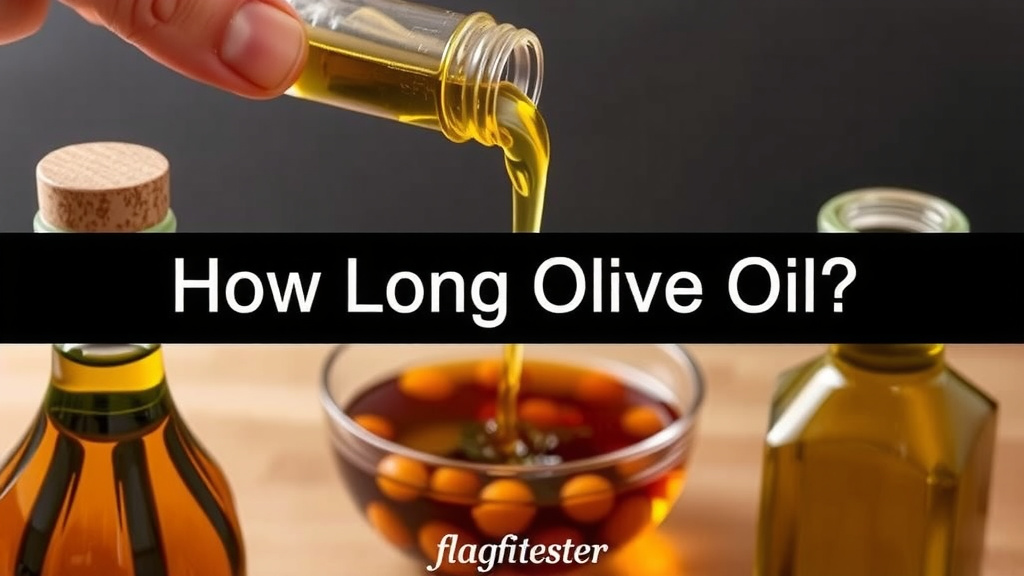
You can generally keep opened olive oil for about 12 to 18 months if stored properly. After this time, it can start to lose its flavor and even go rancid, which means it won’t taste good and might not offer the same health benefits. Proper storage is key to maximizing its lifespan and enjoying its best qualities.
But how do you know when your olive oil has gone bad? Signs include a waxy smell or a taste that’s off, like crayons or old nuts. Keeping it away from heat, light, and air helps maintain its freshness and potency for longer.
- Opened olive oil typically lasts 12-18 months.
- Rancid oil loses flavor and benefits.
- Store oil in a cool, dark place.
- A waxy smell or taste indicates it’s gone bad.
- Proper storage is essential for freshness.
Let’s walk through exactly how to tell if your olive oil is still good and the best ways to keep it that way so you can make the most of every delicious drop.
How Long Does Olive Oil Last After You Open It?
You’ve just opened a fresh bottle of your favorite olive oil, excited to add its bright flavor to your cooking. But a common question pops into your mind: how long will this deliciousness last? Generally, once opened, good quality olive oil can maintain its best flavor and quality for about 12 to 18 months, provided you store it correctly. Think of it like a fine wine; it has a peak period, and after that, it gradually declines in taste and aroma.
Why does it have a shelf life, you ask? Olive oil is a natural product. Exposure to air, light, and heat are its arch-nemeses. These elements can cause oxidation, which is the process that leads to rancidity. Rancid oil doesn’t just taste unpleasant; it can also lose some of its beneficial compounds. So, while it might not be harmful to consume in small amounts, it certainly won’t do your dishes any favors.
Factors Affecting Your Olive Oil’s Lifespan
Several things can influence how quickly your olive oil goes from vibrant to vinegary. Understanding these factors can help you keep your oil fresher for longer.
Exposure to Oxygen
The biggest culprit is air. Every time you open the bottle, your olive oil comes into contact with oxygen. This triggers a chemical reaction that breaks down the oil’s fatty acids, leading to that dreaded rancid taste and smell. The more frequently you open the bottle, the more oxygen gets in.
Light’s Impact on Freshness
Sunlight or even bright kitchen lights can degrade olive oil. UV rays can break down the beneficial antioxidants and chlorophyll in the oil, affecting its color, flavor, and overall quality. That’s why many good olive oils come in dark glass bottles.
The Role of Heat
Heat is another enemy of olive oil. Storing your oil near the stove, oven, or even a sunny windowsill will accelerate the oxidation process. Heat waves can essentially “cook” the oil over time, making it go bad much faster.
Quality of the Oil Itself
Not all olive oils are created equal. Extra virgin olive oil (EVOO), with its minimal processing, generally has a shorter shelf life once opened compared to more refined oils, but it also boasts the most flavor and health benefits. Freshness at the time of purchase also plays a big role. An oil that’s already a year old when you buy it won’t last as long as a freshly pressed batch.
How to Tell if Your Olive Oil Has Gone Bad
Trust your senses! Your nose and taste buds are your best guides here. Don’t just rely on the “best by” date, as storage conditions can make a big difference.
The Smell Test
Fresh olive oil should smell fruity, grassy, or even slightly peppery. If your oil smells waxy, like crayons, stale nuts, or even like putty, it’s a strong sign that it has oxidized and gone rancid. Some describe it as an unpleasant, almost metallic odor.
The Taste Test
A tiny sip can tell you a lot. Fresh EVOO often has a slightly bitter or pungent (peppery) finish, which is a sign of its healthy compounds like polyphenols. If your oil tastes bland, dull, greasy, or has a crayon-like or bitter flavor that makes you want to spit it out, it’s past its prime. A rancid oil often tastes stale and unpleasant, without any of the vibrant notes you’d expect.
Visual Clues
While less reliable than smell or taste, changes in appearance can sometimes be an indicator. If your oil looks cloudy or has a murky sediment at the bottom, it might be degrading. However, some natural sediment can be normal in unfiltered oils, so don’t rely on this alone.
Maximizing Your Olive Oil’s Freshness: Storage Best Practices
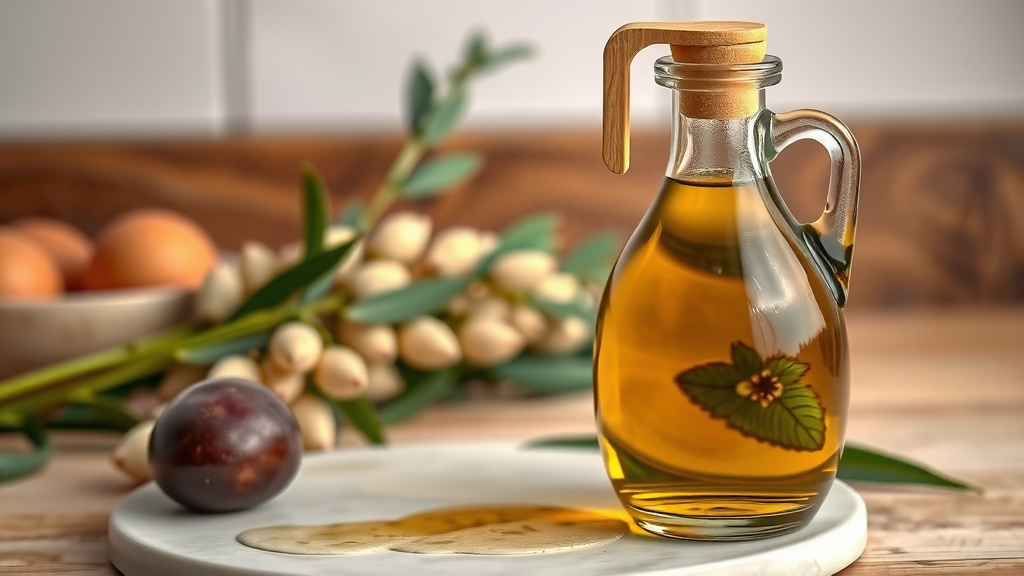
Want to keep that delicious olive oil tasting great for as long as possible? Proper storage is your secret weapon. It’s simpler than you might think!
Keep it Cool
Find a cool, dark place for your olive oil. A pantry or a cupboard away from heat sources like the oven or dishwasher is ideal. Aim for a consistent temperature, avoiding drastic fluctuations.
Keep it Dark
Light is the enemy, remember? Store your oil in its original dark bottle or transfer it to an opaque container. If you use a clear bottle, make sure it’s tucked away from any light exposure.
Keep it Airtight
Ensure the cap is tightly sealed after each use. Some people even suggest transferring oil to a smaller container as it gets lower, reducing the amount of air inside. This is especially true for larger bottles that you don’t go through quickly.
Consider Your Container
If you buy olive oil in a large tin or plastic container, consider decanting some into a smaller, dark glass bottle for everyday use. This keeps the bulk of your oil better protected from light and air. The tin or plastic is great for bulk storage, but smaller, accessible bottles are better for daily freshness.
When to Let Go of Old Olive Oil
It’s tough to pour out perfectly good (or so you think!) olive oil, but sometimes it’s necessary. If your oil fails the smell or taste test, it’s time to say goodbye. Don’t risk a dish tasting off or missing out on those healthy benefits. Consider using it for non-culinary purposes instead.
You might be surprised to learn that old olive oil can still be useful! Some people use it to condition wooden cutting boards, polish stainless steel appliances, or even as a lubricant for squeaky hinges. Research and found that these non-food uses can give your oil a second life before it’s truly beyond repair (NCBI).
A Quick Checklist for Storing Your Olive Oil
Here’s a simple checklist to keep your olive oil in top shape:
- Always store in a cool, dark place.
- Make sure the lid is tightly sealed after every use.
- Keep it away from the stove and direct sunlight.
- Use your nose and taste buds to check for rancidity.
- Consider transferring to a smaller, dark bottle for daily use.
Conclusion
You’ve learned how to keep your olive oil tasting its best. Remember, opened olive oil typically lasts 12 to 18 months with proper storage. Always trust your senses – a waxy smell or off-taste means it’s time to replace it. By storing your oil in a cool, dark, airtight container, you’ll protect it from light, heat, and air, its biggest enemies. If your oil has gone bad, don’t throw it away! Consider using it for household tasks. Now, go check your pantry and ensure your favorite oil is stored just right!
Frequently Asked Questions
How can I tell if my olive oil is definitely rancid?
The most reliable way to tell if your olive oil is rancid is by using your senses. It will likely have an unpleasant, waxy or crayon-like smell. A small taste test will reveal a stale, bitter, or greasy flavor that’s distinctly unpleasant.
Does the type of olive oil matter for shelf life?
Yes, the type does make a difference. Extra virgin olive oil (EVOO), being less processed, generally has a shorter peak flavor life once opened, often around 12 months, though it can last up to 18. More refined olive oils might last a bit longer but may lack the vibrant flavor and health benefits of EVOO.
Can I store olive oil in the refrigerator to make it last longer?
While refrigerating olive oil won’t necessarily make it last longer in terms of preventing rancidity, it can cause the oil to solidify and become cloudy. This cloudiness will disappear when the oil returns to room temperature, but it’s generally best to store olive oil in a cool, dark pantry rather than the fridge.
What’s the best type of container for storing opened olive oil?
The best containers are dark glass bottles that protect the oil from light. If your olive oil came in a clear bottle or a large tin, consider transferring it to a smaller, opaque container for everyday use. Always ensure the lid is screwed on tightly after each use.
Is it safe to cook with olive oil that has passed its prime?
While consuming rancid olive oil in small amounts isn’t typically harmful, it’s not recommended for cooking. Rancid oil loses its beneficial compounds and has an unpleasant flavor that can ruin your dishes. For cooking, always use olive oil that is fresh and smells and tastes good.

![7 Best Olive Oil Bulk [2026]](https://bestpureessentialoils.com/wp-content/uploads/2026/09/7-best-olive-oil-bulk-2026-featured-768x432.jpg)