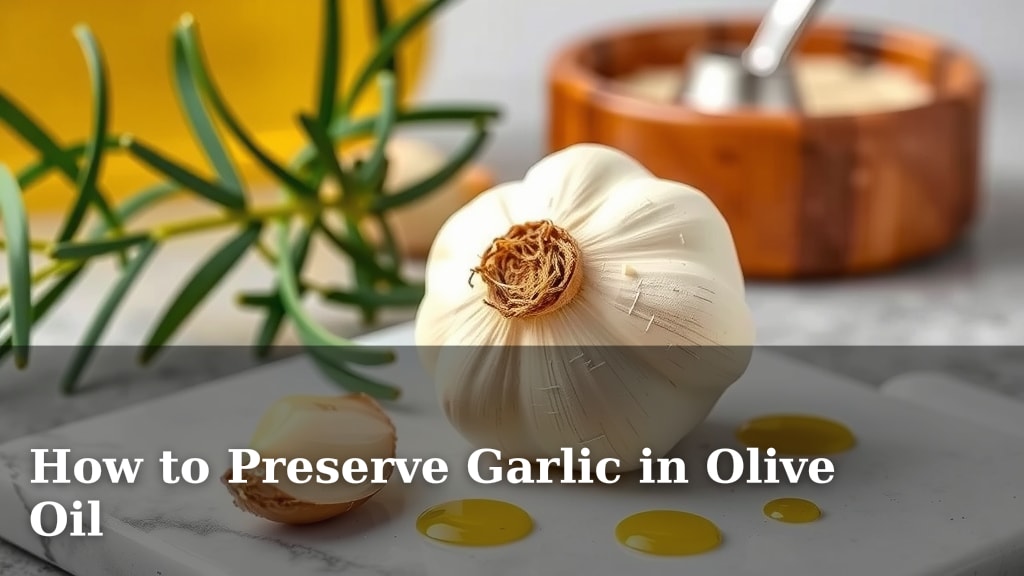
How to Preserve Garlic in Olive Oil
Yes, you can preserve garlic in olive oil, and it’s a fantastic way to keep that wonderful garlic flavor ready for your cooking. When done correctly, you can enjoy garlic-infused oil and tender garlic cloves for weeks. Just be sure to store it properly in the refrigerator to prevent spoilage.
Preserving garlic this way is more than just convenient; it’s a kitchen hack that transforms simple ingredients into a flavor powerhouse. Many home cooks love having this on hand for quick meals. Properly prepared, it offers a delightful way to add a burst of garlic to almost any dish, from pasta to roasted vegetables, making your cooking faster and tastier.
- Yes, it’s safe to store garlic in olive oil if refrigerated.
- Properly preserved garlic lasts for several weeks.
- Use fresh, high-quality garlic and oil for best results.
- Refrigeration is key to preventing spoilage.
- This method keeps garlic flavorful and ready to use.
Ready to fill your kitchen with the aroma of garlic-infused oil? Let’s walk through exactly how to do it step by step.
Storing Garlic in Olive Oil Safely and Deliciously
Preserving garlic in olive oil is a brilliant way to keep that pungent flavor ready for your meals. Done right, you get wonderful garlic-infused oil and tender garlic cloves. This method keeps your garlic flavorful and accessible for weeks. Just remember, proper storage is absolutely key to safety and quality.
Gathering Your Supplies for Garlic Preservation
Before you start, let’s make sure you have everything you need. Having all your ingredients and tools ready will make the process smooth and enjoyable. Think of it like getting your mise en place for a gourmet meal!
Selecting the Freshest Garlic
The quality of your garlic directly impacts the final product. You want garlic that is firm and free from any soft spots or sprouts. Fresh garlic offers the best flavor. If you notice any green shoots, they can be removed, but very old garlic might taste bitter.
Choosing the Right Olive Oil
Your choice of olive oil matters. A good quality extra virgin olive oil will give your infused oil a richer flavor. However, any clean, pure olive oil works well. Avoid using oils that have already been flavored, as they might clash with the garlic taste.
Essential Kitchen Tools
You’ll need a few simple tools:
- A clean, dry glass jar with a tight-fitting lid
- A sharp knife or garlic press
- A cutting board
- A small saucepan (optional, for blanching)
Preparing Your Garlic for Infusion
Proper preparation of the garlic is essential for both flavor and safety. You have a couple of options here, depending on the texture and intensity of flavor you’re aiming for.
Option 1: Fresh, Raw Garlic Cloves
This is the simplest method. You’ll peel whole garlic cloves. Some people like to lightly smash them to release more flavor. If you prefer a milder garlic taste, you can remove the papery skins. Ensure the garlic is completely dry before adding it to the oil. Moisture can lead to spoilage.
Option 2: Blanching for Milder Flavor and Extended Shelf Life
Blanching garlic is a step many food safety experts recommend when preserving garlic in oil. It helps reduce the risk of harmful bacteria. To blanch, place peeled garlic cloves in a saucepan and cover them with fresh water. Bring to a boil, then immediately drain and rinse with cold water. This process takes only a minute or two.
Why blanch? Research shows that raw garlic can contain naturally occurring microorganisms. Blanching helps to kill off many of these, making the garlic safer for oil immersion. It also softens the garlic cloves, giving them a pleasant, tender texture. Many guidelines suggest this step for safer preservation (CDC).
After blanching, it’s **crucial** to dry the garlic thoroughly. You can pat them dry with paper towels or let them air dry on a clean towel for a few hours. Any remaining moisture can encourage mold growth and spoilage. Thorough drying is a non-negotiable step.
The Infusion Process: Combining Garlic and Oil
Now comes the exciting part: bringing the garlic and oil together! This is where the magic happens, transforming simple ingredients into a flavorful pantry staple.
Filling Your Jar
Place your prepared garlic cloves into a clean, dry glass jar. Make sure the jar is large enough to hold all the garlic and the oil. Leave a little space at the top; don’t fill it to the brim. This allows for easy stirring and prevents overflow when you put the lid on.
Adding the Olive Oil
Pour your chosen olive oil over the garlic cloves. Ensure that the garlic is completely submerged in the oil. If any garlic pieces peek out, add a little more oil. This is vital for preventing exposure to air, which can lead to spoilage. You want to create a barrier around the garlic.
Optional: Gentle Heating for Deeper Flavor
Some people prefer to gently heat the oil and garlic together. You can do this by warming the oil in a saucepan with the garlic over very low heat for about 5-10 minutes. The oil should never simmer or boil; you’re just looking for a gentle warmth. This helps to draw out more of the garlic flavor into the oil.
If you choose this method, allow the oil and garlic mixture to cool completely before transferring it to your storage jar. Heating the oil also contributes to a longer shelf life compared to simply submerging raw garlic in cold oil. However, the safest method, especially for beginners, is often the cold infusion.
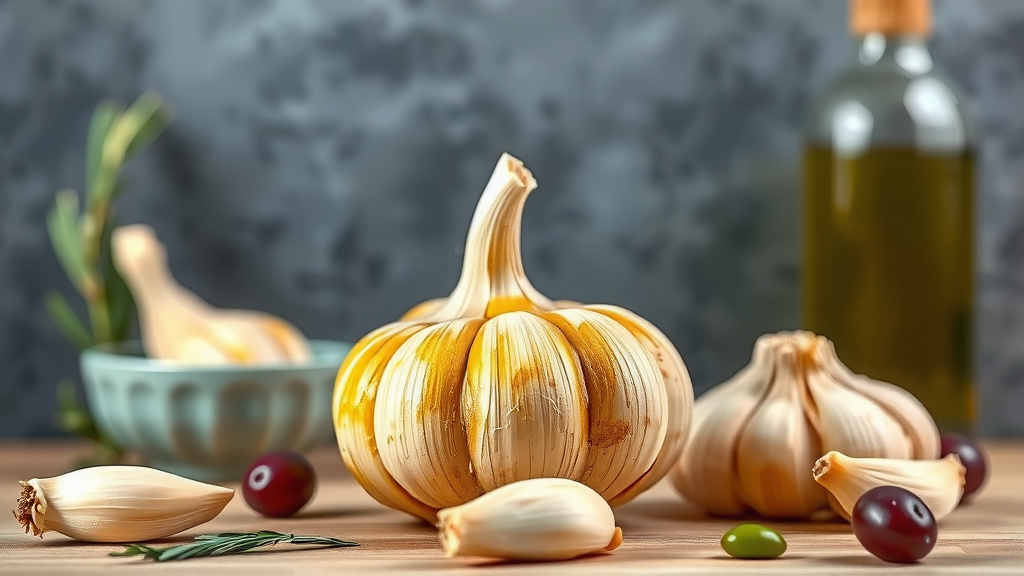
Proper Storage is Non-Negotiable for Safety
This is perhaps the most important step in preserving garlic in olive oil. Improper storage is the primary reason for spoilage and the risk of botulism, a serious illness. **Always** store your garlic-infused oil in the refrigerator.
Refrigeration is Key
As soon as your garlic and oil are combined and have cooled (if heated), the jar should go straight into the refrigerator. Cold temperatures significantly slow down the growth of bacteria, including the one that causes botulism. Many food safety organizations, like the FDA, strongly advise against storing garlic in oil at room temperature because it creates an environment where the botulism toxin can develop rapidly (FDA).
How Long Will It Last?
When stored properly in the refrigerator, garlic in olive oil can last for several weeks. We’ve found that many home cooks enjoy it for up to 4-6 weeks. Always check for signs of spoilage before using it. Discard immediately if you notice any off smells, cloudy oil, or fuzzy mold.
Checking for Spoilage
Before you use any of your preserved garlic, give it a quick visual and olfactory check. Does the oil look cloudy or murky? Does it smell “off” or funky? If anything seems unusual, it’s best to be safe and toss it. Your senses are your best guide here.
A Quick Checklist for Your Success
Here’s a handy checklist to ensure you’ve covered all your bases:
- Use fresh, firm garlic.
- Choose good quality olive oil.
- Blanch garlic for extra safety (recommended).
- Dry garlic thoroughly after blanching.
- Ensure garlic is completely submerged in oil.
- Store jar **immediately** in the refrigerator.
Following these steps will help you create a delicious and safe garlic-infused olive oil that you can enjoy for weeks to come. Your pasta dishes and roasted veggies will thank you!
Conclusion
You’ve learned how to safely and deliciously preserve garlic in olive oil. Remember, the keys to success are using fresh ingredients, proper preparation (especially blanching and thorough drying), and strict refrigeration. This method ensures you have flavorful garlic cloves and infused oil ready for countless meals. Now, go ahead and fill your kitchen with this amazing flavor. Your next culinary creation awaits!
Frequently Asked Questions
Can I use garlic that has already sprouted?
It’s best to use fresh garlic without sprouts. If your garlic has a few green shoots, you can usually remove them. However, significantly sprouted garlic can sometimes have a bitter taste that might affect your infused oil.
Is it okay if the garlic isn’t completely submerged in oil?
No, it’s vital that the garlic is fully submerged in olive oil. Any garlic exposed to air can spoil more quickly, increasing the risk of bacteria growth. Always add enough oil to cover the garlic completely.
What’s the difference between cold-infused and heated garlic oil?
Cold-infusing is simpler and involves just combining garlic and oil, then refrigerating. Heating the oil gently with the garlic first can extract more flavor and potentially extend shelf life, but it requires careful cooling before storage.
How can I tell if my garlic in olive oil has gone bad?
Always trust your senses. If the oil appears cloudy, or if you notice any fuzzy mold growth, it’s spoiled. An off, unusual, or foul smell is also a clear indicator to discard it immediately.
Can I use other types of oil besides olive oil?
While olive oil is traditional and adds great flavor, you can use other neutral-flavored oils. Just ensure they are pure oils without any added flavorings that might clash with the garlic taste.


![7 Best Kind Of Olive Oil For Health [2026]](https://bestpureessentialoils.com/wp-content/uploads/2026/09/7-best-kind-of-olive-oil-for-health-2026-featured-768x432.jpg)
![7 Best Olive Oil Brand For Face [2026]](https://bestpureessentialoils.com/wp-content/uploads/2026/09/7-best-olive-oil-brand-for-face-2026-featured-768x432.jpg)