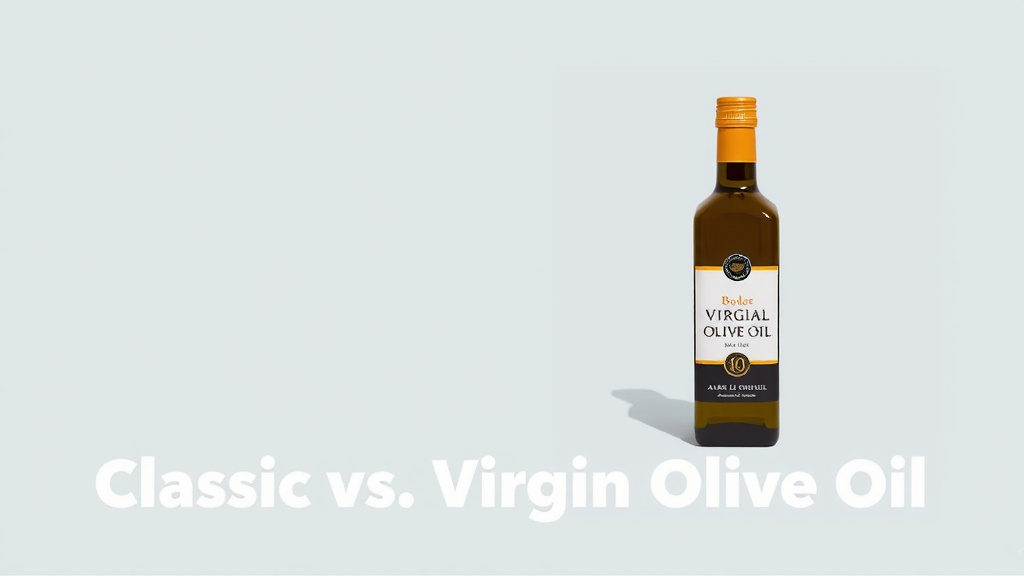
Classic vs Virgin Olive Oil: What’s the Real Difference
When choosing olive oil, you’re likely wondering about the difference between classic and virgin olive oil. The key distinction lies in processing. Virgin olive oil is made with minimal processing, retaining more natural flavor and nutrients. Classic or “regular” olive oil is usually a blend that undergoes more refinement.
Understanding these differences helps you pick the best oil for your needs. Virgin olive oil, especially extra virgin, is often preferred for its robust taste and health benefits. Regular olive oil is more versatile for cooking due to its milder flavor and higher smoke point. We found that the label tells you a lot about its intended use.
- Virgin olive oil is less processed and has more flavor.
- Classic olive oil is refined, making it good for cooking.
- Extra virgin olive oil is the highest grade of virgin oil.
- The processing method impacts taste, nutrients, and smoke point.
- Choose based on whether you’re dressing a salad or frying chicken.
Let’s break down what these terms really mean and how to use each type of olive oil in your kitchen.
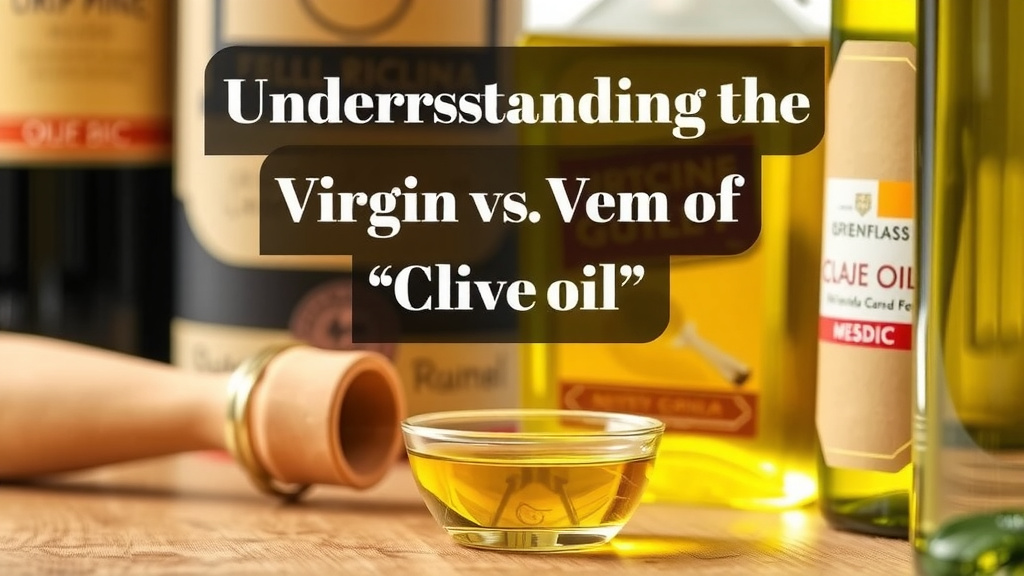
Understanding Your Olive Oil Options: Virgin vs. “Classic”
Navigating the olive oil aisle can feel a bit overwhelming. You see terms like “extra virgin,” “virgin,” and then something simply labeled “olive oil” or “classic olive oil.” What’s the real difference? It all comes down to how the oil is made and how much it’s processed. We found that the processing method greatly affects the flavor, the nutrients, and even how you can best use the oil in your cooking.
What Makes Olive Oil “Virgin”?
The term “virgin” in olive oil refers to a specific production method. These oils are extracted from olives using only mechanical or physical means. This means no harsh chemicals or excessive heat are involved in the process. Think of it as getting the pure juice from the olive. This less-invasive approach helps preserve the natural flavors and beneficial compounds found in the olives. Many experts consider virgin olive oils to be closer to the fruit itself.
Extra Virgin Olive Oil (EVOO): The Gold Standard
When you see “extra virgin olive oil,” you’re looking at the highest grade. It’s produced from the first pressing of the olives. It must meet strict standards for chemical composition and sensory evaluation. This means it has a very low acidity level and a superior flavor and aroma. We found that EVOO often has fruity, peppery, or grassy notes. It’s excellent for finishing dishes or in salad dressings.
Virgin Olive Oil: A Step Down, But Still Great
Virgin olive oil is also made mechanically. However, it might have a slightly higher acidity than extra virgin and a less intense flavor profile. It’s still a high-quality oil, but it might not win any taste competitions against its EVOO cousin. You can often use virgin olive oil in cooking where you don’t need that super-fresh, vibrant olive taste to shine through.
What Exactly Is “Classic” or Regular Olive Oil?
This is where things get a bit more blended. When a bottle simply says “olive oil” or “classic olive oil,” it usually means it’s a refined olive oil. These oils are often a blend of virgin or extra virgin olive oils mixed with refined olive oils. Refining is a process that uses heat and sometimes chemicals to remove defects from the oil. This process neutralizes strong flavors and aromas.
Think of it like this: If virgin olive oil is like freshly squeezed orange juice, refined olive oil is more like orange juice from concentrate. The essence is there, but some of the bright, fresh characteristics have been altered. Many guidelines suggest this type of oil is designed for cooking. It has a milder taste that won’t overpower other ingredients.
The Refining Process Explained
Refining typically involves several steps. First, the oil is treated with heat and water. Then, it might be filtered and sometimes treated with activated carbon. These steps remove impurities and undesirable flavors. The result is a clear, neutral-tasting oil. We found that while this process makes the oil more stable for cooking, it also strips away some of the health compounds and the distinct olive flavor.
Comparing the Two: Taste, Health, and Cooking
Let’s put it side-by-side. Understanding these differences will help you choose the right oil for your kitchen adventures. We’ve seen that the label is your best guide here.
| Feature | Virgin Olive Oil (incl. Extra Virgin) | Classic/Regular Olive Oil |
|---|---|---|
| Processing | Mechanical, minimal heat/chemicals. | Refined with heat and sometimes chemicals. Often blended. |
| Flavor | Fruity, peppery, grassy, robust. Varies by type. | Mild, neutral, less distinct olive flavor. |
| Nutrients | Higher in antioxidants and beneficial compounds. | Reduced levels of antioxidants due to refining. |
| Smoke Point | Lower to medium (325-410°F / 160-210°C). Best for low-medium heat or finishing. | Higher (around 400-465°F / 205-240°C). Suitable for higher-heat cooking. |
| Best Uses | Salad dressings, drizzling over food, dips, low-heat sautéing. | General cooking, sautéing, roasting, frying, baking. |
When to Reach for Virgin Olive Oil
You’ll want your virgin or extra virgin olive oil when the flavor is key. Think about drizzling it over a caprese salad, mixing it into a vinaigrette, or dipping crusty bread. Its vibrant taste can truly enhance your dishes. Many studies suggest that consuming virgin olive oils regularly may offer health benefits due to their high levels of antioxidants (NCBI).
When “Classic” Olive Oil Shines
On the other hand, “classic” or regular olive oil is your workhorse for everyday cooking. When you’re searing chicken, roasting vegetables, or baking muffins, you need an oil that can handle the heat and won’t impart a strong flavor. This refined oil is more forgiving with higher temperatures. We found that its neutral profile means it lets the other ingredients in your recipe take center stage.
A Quick Guide to Choosing Your Oil
So, how do you make the right choice at the store? It’s simpler than you might think! Consider what you’ll be doing with the oil.
- For salads and finishing: Grab that extra virgin bottle.
- For light sautéing or marinades: Regular or virgin olive oil works well.
- For high-heat cooking (frying, roasting): Reach for classic or regular olive oil.
- When you want a mild flavor: Choose classic olive oil.
- When you want a bold olive flavor: Go for extra virgin.
- If you’re unsure, check the label – it usually tells you what it’s best for!
Conclusion
You now understand the core differences between classic and virgin olive oils. Virgin oils, especially extra virgin, offer superior flavor and health benefits due to minimal processing. They’re perfect for finishing dishes or raw applications. Classic or regular olive oil, being refined, is your go-to for higher-heat cooking and baking. Its neutral taste won’t interfere with your recipes. We found that by checking the label and considering your cooking method, you can confidently choose the best olive oil for every meal. Make your next trip to the grocery store a breeze by selecting the right oil!
Frequently Asked Questions
Is classic olive oil bad for you compared to virgin olive oil?
Classic or regular olive oil has fewer beneficial compounds than virgin oil because of the refining process. However, it’s still a source of healthy fats and can be part of a balanced diet. Research suggests virgin oils offer more antioxidants, but classic olive oil is safe for cooking and everyday use.
Can I use extra virgin olive oil for frying?
While you *can* use extra virgin olive oil for light frying, it’s generally not recommended for high-heat methods. Its smoke point is lower than refined oils, and intense heat can degrade its delicate flavors and beneficial compounds. Opt for classic or regular olive oil for frying to get the best results and preserve the oil’s quality.
What does “cold-pressed” mean for olive oil?
Cold-pressed is a term often associated with virgin and extra virgin olive oils. It means the olives were pressed using mechanical methods without added heat. This helps preserve the oil’s natural flavor, aroma, and nutritional properties. You’ll often see this on labels for high-quality virgin olive oils.
Does the color of olive oil indicate its quality?
Not necessarily. The color of olive oil can range from deep green to golden yellow, depending on the type of olives used and their ripeness. While a vibrant green might suggest more chlorophyll and antioxidants, color alone isn’t a reliable indicator of quality or taste. Focus on the grading terms like “extra virgin” and the smell/taste instead.
How can I tell if my olive oil has gone bad?
Olive oil can go rancid over time, especially if exposed to heat, light, or air. Signs of spoilage include a waxy, crayon-like, or stale smell and a bitter or off taste. If your olive oil smells or tastes unpleasant, it’s best to discard it and purchase a fresh bottle.

![7 Best Meyer Lemon Olive Oil [2026]](https://bestpureessentialoils.com/wp-content/uploads/2026/09/7-best-meyer-lemon-olive-oil-2026-featured-768x432.jpg)