
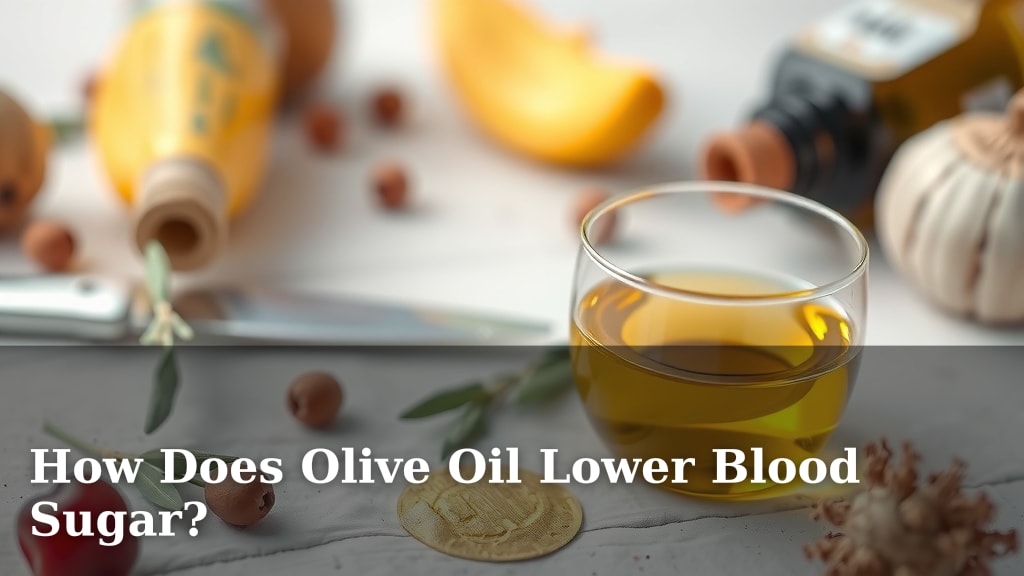
How Does Olive Oil Lower Blood Sugar?
Yes, olive oil can help lower your blood sugar levels, especially when consumed with meals. Its healthy fats slow down digestion and the absorption of carbohydrates. This helps prevent sharp spikes in blood glucose after you eat. Many studies have found that incorporating olive oil into your diet can lead to better blood sugar control over time.
How does it actually work its magic? Olive oil is rich in monounsaturated fats. These are known for their positive impact on insulin sensitivity. When your body is more sensitive to insulin, it can use blood sugar more effectively for energy. We found research indicating that the oleic acid in olive oil plays a key role here. It’s a simple, delicious way to support your body’s natural processes.
- Olive oil can help manage blood sugar.
- It works by slowing carb absorption.
- Healthy fats improve insulin sensitivity.
- Oleic acid is a key component.
- Enjoying olive oil may lead to better glucose control.
Ready to understand the science behind this delicious habit? Let’s walk through exactly how olive oil helps keep your blood sugar in a happier range.
How Olive Oil Can Support Healthy Blood Sugar
You might be wondering how a delicious staple like olive oil can actually help manage your blood sugar levels. Well, research shows it can play a supportive role, especially when you include it with your meals. It’s not a magic cure, but it works with your body’s natural processes to prevent those unwanted glucose spikes after eating.
The Science Behind the Sizzle: Fat’s Role in Digestion
When you eat a meal containing carbohydrates, your body breaks them down into glucose, which then enters your bloodstream. This is a normal process. However, how quickly this happens makes a big difference. Foods that digest quickly cause a rapid rise in blood sugar. This can be tough on your system over time.
This is where healthy fats, like those found in olive oil, come in. Fat slows down the rate at which your stomach empties its contents into your small intestine. Think of it like a traffic jam for your food. Instead of rushing through, the carbohydrates are released more gradually.
Slowing the Sugar Rush
By slowing down digestion, olive oil helps to smooth out the absorption of glucose. This means that instead of a huge surge of sugar hitting your bloodstream all at once, it’s a more gentle trickle. Many studies have observed this effect, noting that meals with added fats lead to a less dramatic rise in blood sugar compared to carb-only meals (American Journal of Clinical Nutrition).
Olive Oil’s Superpower: Monounsaturated Fats
The real star of the show in olive oil is its high content of monounsaturated fatty acids (MUFAs). These are the types of fats that experts often praise for their heart health benefits. But they also have a positive impact on how your body uses sugar.
MUFAs are thought to help improve your body’s sensitivity to insulin. Insulin is a hormone that acts like a key, allowing glucose to move from your blood into your cells for energy. When your cells are more sensitive to insulin, they respond better to its signal.
Boosting Insulin Sensitivity
Better insulin sensitivity means your body can more effectively clear glucose from your bloodstream. This helps keep your blood sugar levels within a healthier range. Research suggests that regular consumption of MUFA-rich oils, like olive oil, can contribute to improved insulin function over time (NIH).
Meet Oleic Acid: The Key Player
Within the MUFA family, oleic acid is the most abundant fatty acid in olive oil. It’s believed to be the primary compound responsible for many of olive oil’s health benefits, including its effect on blood sugar regulation. Oleic acid has been the subject of much scientific study for its potential to improve metabolic health.
Some research indicates that oleic acid might directly influence the pathways involved in glucose metabolism and insulin signaling. While more research is always ongoing, the evidence points to oleic acid as a key contributor to olive oil’s blood sugar-supporting properties (NCBI).
Which Olive Oil is Best for Your Health?
When choosing olive oil, you’ll often see terms like “extra virgin,” “virgin,” and “pure.” For the most health benefits, extra virgin olive oil (EVOO) is generally considered the top choice. Why? Because it’s the least processed form of olive oil.
EVOO is made using natural methods, preserving more of the beneficial compounds, including antioxidants and oleic acid. These extra components are what give EVOO its robust flavor and its superior health profile compared to more refined olive oils.
Extra Virgin vs. Other Olive Oils
Think of it like this: other types of olive oil might be refined using heat or chemicals. This process can strip away some of the good stuff. Extra virgin olive oil is typically cold-pressed, meaning it’s pressed mechanically without excessive heat. This mechanical extraction helps retain the oil’s natural vitamins, minerals, and antioxidants.
So, while other olive oils can still offer some fat benefits, EVOO is generally recommended for those looking to maximize the potential health advantages, including for blood sugar management.
Incorporating Olive Oil into Your Diet Wisely
Adding olive oil to your meals is pretty straightforward! The key is to use it as part of a balanced diet. It’s a wonderful addition to many dishes you might already enjoy.
- Drizzle it on salads as a dressing base.
- Use it for sautéing vegetables instead of butter or other oils.
- Add a tablespoon to soups or stews for richness and flavor.
- Dip whole-grain bread into a small bowl of olive oil.
- Roast vegetables with a light coating of olive oil.
Olive Oil and Blood Sugar: A Quick Checklist
Here’s a simple way to remember how olive oil can help:
- Slows Digestion: Healthy fats keep food in your stomach longer.
- Gentle Glucose Release: Prevents sharp spikes in blood sugar.
- Improves Insulin Sensitivity: MUFAs help your body use insulin better.
- Rich in Oleic Acid: This fatty acid is key for metabolic health.
- Choose Extra Virgin: It’s the least processed and most beneficial.
- Enjoy with Meals: Best used as part of a balanced eating pattern.
A Look at the Evidence: What Studies Show
When we look at the research, a consistent theme emerges. Studies often compare the effects of different types of dietary fats on blood glucose levels. Many trials have specifically examined the impact of diets rich in MUFAs, like those featuring olive oil.
For example, some research indicates that individuals who consume diets higher in olive oil tend to have lower fasting blood glucose levels and better HbA1c readings, which reflect average blood sugar over a few months (Harvard Health). This suggests that incorporating olive oil can contribute to better long-term glucose control.
Comparison with Other Fats
It’s helpful to see how olive oil stacks up. Compared to saturated fats or refined carbohydrates, monounsaturated fats from olive oil appear to have a more favorable impact on metabolic markers. While all fats provide calories, the *type* of fat matters for blood sugar regulation.
We found studies suggesting that replacing some saturated fats with MUFAs could lead to improvements in insulin sensitivity and glucose metabolism. This is why olive oil is often recommended as part of a diabetes-friendly eating plan (Cleveland Clinic).
The Bigger Picture: Olive Oil in a Balanced Diet
It’s important to remember that olive oil is just one piece of the puzzle. While it offers fantastic benefits, it works best when combined with other healthy habits. Focusing on whole foods, plenty of fiber, lean protein, and regular physical activity are all vital for managing blood sugar.
Think of olive oil as a delicious ally in your journey toward better health. It’s a simple dietary swap that can contribute positively to your body’s natural ability to regulate glucose. Enjoying a drizzle of quality olive oil can be a truly satisfying and beneficial habit!
Conclusion
You’ve learned how olive oil can be a delicious ally for managing your blood sugar. Its healthy monounsaturated fats, especially oleic acid, slow digestion and improve your body’s response to insulin. Choosing extra virgin olive oil maximizes these benefits. Remember, olive oil works best as part of a balanced diet and healthy lifestyle. Ready to start? Try drizzling some extra virgin olive oil over your next salad or use it to sauté your favorite vegetables.
Frequently Asked Questions
Can I use any type of olive oil for blood sugar benefits?
For the most benefits, we recommend choosing extra virgin olive oil (EVOO). It’s the least processed and retains more beneficial compounds like oleic acid and antioxidants. While other olive oils offer fats, EVOO is considered superior for its health profile.
How much olive oil should I consume daily for blood sugar control?
There isn’t a strict “dose,” but incorporating 1-2 tablespoons into your daily meals is a common approach found in studies. Enjoy it as part of balanced meals, like in salad dressings or for cooking vegetables.
Will olive oil make me gain weight, affecting my blood sugar?
Olive oil is calorie-dense, so portion control is key. When used in moderation as a replacement for less healthy fats, it can support blood sugar management without necessarily causing weight gain. Focus on using it mindfully within your overall calorie intake.
Can I drink olive oil straight to help my blood sugar?
While drinking olive oil might deliver oleic acid, it’s not the most enjoyable or practical method. Consuming it with meals helps slow digestion more effectively. We found that using it as part of your cooking or as a dressing is a better way to get its benefits.
Is olive oil safe for people with diabetes?
Yes, olive oil is generally considered safe and beneficial for people with diabetes when consumed in moderation. Research shows its fats can help improve insulin sensitivity and slow glucose absorption. Always discuss dietary changes with your healthcare provider.


![7 Best Extra Virgin Olive Oil Costco [2026]](https://bestpureessentialoils.com/wp-content/uploads/2026/08/7-best-extra-virgin-olive-oil-costco-2026-featured-768x432.jpg)