How Does Olive Oil Smell?
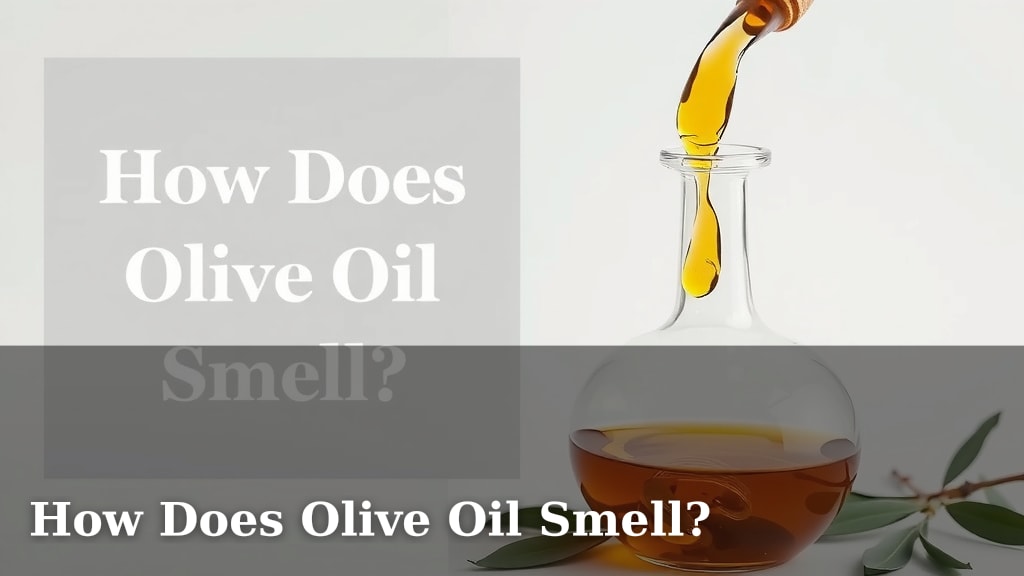
So, does olive oil smell? Yes, good quality olive oil has a distinct aroma. It often smells fruity and fresh, sometimes with hints of grass or even pepper. A rancid or off smell usually indicates it’s no longer fresh.
The smell is a really important clue to its quality and freshness. Think of it like the nose on a wine; it tells you a lot about what you’re about to taste. Different olives and processing methods can create a wide range of scents, from mild to quite strong. We found that understanding these smells can help you pick the best oil.
- Olive oil does have a smell.
- Good oil smells fruity and fresh.
- Bad smells mean the oil is old.
- The smell helps you judge quality.
- Different oils have different aromas.
Let’s walk through exactly what those smells mean and how you can use your nose to choose the best olive oil for your kitchen.
“`htmlUnpacking the Aroma: What Does Good Olive Oil Smell Like?
When you open a bottle of olive oil, what should your nose detect? It’s a question many home cooks ponder. Good quality olive oil should offer a pleasant and inviting aroma. Think of it as the first impression your oil makes. This scent is a direct indicator of its freshness and the quality of the olives it came from.
The Essence of Freshness: Fruity and Green Notes
The most desirable smells in olive oil are often described as fruity. This doesn’t mean it smells like an orange or a banana, though. Instead, it points to the aroma of the olive fruit itself. You might pick up scents reminiscent of freshly cut grass, green leaves, or even unripe fruits.
Researchers have found that these green and fruity notes are a sign of polyphenols. These are the compounds that give olive oil its health benefits. They also contribute to the oil’s aroma and taste. The more vibrant these notes, the more likely the oil is to be fresh and rich in these beneficial compounds.
Grass and Herbaceous Undertones
You might also notice a distinct smell of fresh herbs. This can range from notes of basil and mint to more robust scents like thyme or rosemary. Many experts say this is perfectly normal. It often indicates that the olives were harvested early in the season. These early-harvest olives tend to produce oils with bolder, greener aromas.
A Hint of Pepper or Spice
Occasionally, you might detect a subtle peppery or spicy note. This isn’t a sign of spoilage. Instead, it’s another indicator of the presence of those healthy polyphenols, particularly oleocanthal. This compound is known for its anti-inflammatory properties. It can create a tingling sensation in the back of your throat, similar to what you might experience with freshly ground black pepper.
Variations in Aroma: It’s Not One-Size-Fits-All
Not all olive oils smell the same, and that’s a good thing! The aroma can vary widely based on several factors. These include the type of olive used, the climate where they were grown, and the milling process. Each element contributes to the oil’s unique scent profile.
Different Olive Varietals, Different Smells
Just like wine grapes create different wines, different olive varieties produce oils with distinct aromas. For example, some olives might yield oils with a nutty scent, while others might produce ones that smell more floral. We found that exploring oils from different regions can be a delightful sensory journey.
The Impact of Processing
How the olives are processed also plays a role. Oils made from olives that are milled quickly after harvesting tend to retain more of their fresh, vibrant aromas. If there’s a delay between picking and milling, some of those delicate scents can fade. This is why we often see “extra virgin” olive oils with particularly strong, fresh smells.
When the Smell Isn’t Right: Identifying Off-Odors
While good olive oil smells fresh and inviting, a bad smell is a clear sign that the oil is no longer at its best. These off-odors typically indicate that the oil has gone rancid or has been improperly stored. It’s important to trust your nose when it comes to identifying these issues.
Rancid Smells: Like Crayons or Putty
The most common off-odor is a rancid smell. This often presents as a scent that reminds people of crayons, old nuts, or even putty. It’s a stale, unpleasant aroma. Many food safety guidelines point to rancidity as a sign of oxidation, which degrades the quality of the oil (Food and Drug Administration).
Other Unpleasant Aromas
Beyond rancidity, you might encounter other undesirable smells. These can include a vinegary or sour scent, which might suggest fermentation. Sometimes, an oil can smell musty or moldy, indicating issues with the olives themselves or the storage conditions. We found that these smells are strong indicators that the oil should not be used for consumption.
A Simple Checklist for Your Nose
To help you assess your olive oil, try this quick sniff test. It’s a simple way to evaluate its freshness and quality. You don’t need to be an expert to do this!
- Open the bottle.
- Pour a small amount into a small glass or cup.
- Warm the oil slightly by cupping the glass in your hands.
- Swirl gently to release the aromas.
- Take a deep inhale and notice the scent.
- Ask yourself: Does it smell fresh, fruity, or grassy?
Understanding the Olfactory Profile: A Quick Comparison
To give you a clearer picture, here’s a table showing typical aromas you might encounter and what they generally mean:
| Smell Profile | What It Likely Means |
|---|---|
| Fresh, Fruity, Grassy | Good quality, fresh oil. Rich in polyphenols. |
| Peppery, Spicy | Indicates healthy compounds like oleocanthal. Normal for good oils. |
| Nutty, Earthy | Can be a characteristic of certain olive varieties or processing. Generally good. |
| Crayon-like, Rancid | Oil is old or oxidized. Not recommended for consumption. |
| Vinegary, Musty | Likely due to fermentation or mold. Indicates spoilage. |
Your Nose Knows: Trusting Your Senses for Better Cooking
Ultimately, your sense of smell is one of your most powerful tools for choosing and using olive oil. By paying attention to the aromas, you can ensure you’re getting the most flavor and health benefits from this versatile ingredient. We found that regularly smelling different oils can actually train your nose to detect subtle differences.
Don’t be afraid to trust what you smell. If an oil smells off, it probably is. Using fresh, high-quality olive oil can truly transform your cooking. It adds a layer of flavor that you just can’t achieve with oil that has lost its vibrancy. So, give your nose a workout next time you reach for that bottle!
“`
Conclusion
Your nose is a powerful tool for choosing the best olive oil. A fresh, good quality oil should smell fruity, grassy, or even a bit peppery. These aromas signal healthy compounds and freshness. Conversely, off-odors like crayons or vinegar mean the oil has likely gone rancid or spoiled. Don’t be afraid to trust your senses!
Next time you’re shopping, take a moment to smell the oil before you buy it. This simple sniff test can help you select an oil that will truly enhance your cooking and deliver the best flavor and health benefits. Your taste buds will thank you for it.
Frequently Asked Questions
Can olive oil lose its smell over time?
Yes, olive oil’s aroma can fade over time, especially if it’s not stored properly. Exposure to light, heat, and air causes oxidation, which degrades the oil and diminishes its fresh scent. Properly sealed, dark bottles stored in a cool place will help preserve the aroma for longer.
What does it mean if my olive oil smells like butter?
An olive oil smelling like butter is unusual and typically not a good sign for extra virgin olive oil. It might suggest that the oil is either old and beginning to break down, or it could be a sign of adulteration. Good olive oil’s scent should be fresh and fruity, not buttery.
Why does some olive oil smell strongly of pepper?
A strong peppery smell in olive oil is a positive indicator! It means the oil is rich in polyphenols, particularly oleocanthal. This compound is known for its health benefits and creates a pungent, sometimes spicy sensation, similar to biting into black pepper. It’s a sign of a robust, fresh oil.
Is it okay if my olive oil smells slightly metallic?
A faint metallic smell in olive oil can sometimes occur, especially if certain types of olives or processing equipment were used. However, a strong metallic odor can be a sign of improper storage or that the oil has started to oxidize. If it’s accompanied by other off-smells, it’s best to avoid using it.
How can I tell if my olive oil has gone bad just by its smell?
You can tell if your olive oil has gone bad by its smell if it has unpleasant aromas. Signs of spoilage include smells like crayons, old nuts, putty, vinegar, or mustiness. If your oil smells stale or sour instead of fresh and fruity, it has likely lost its quality and is no longer good to use.